

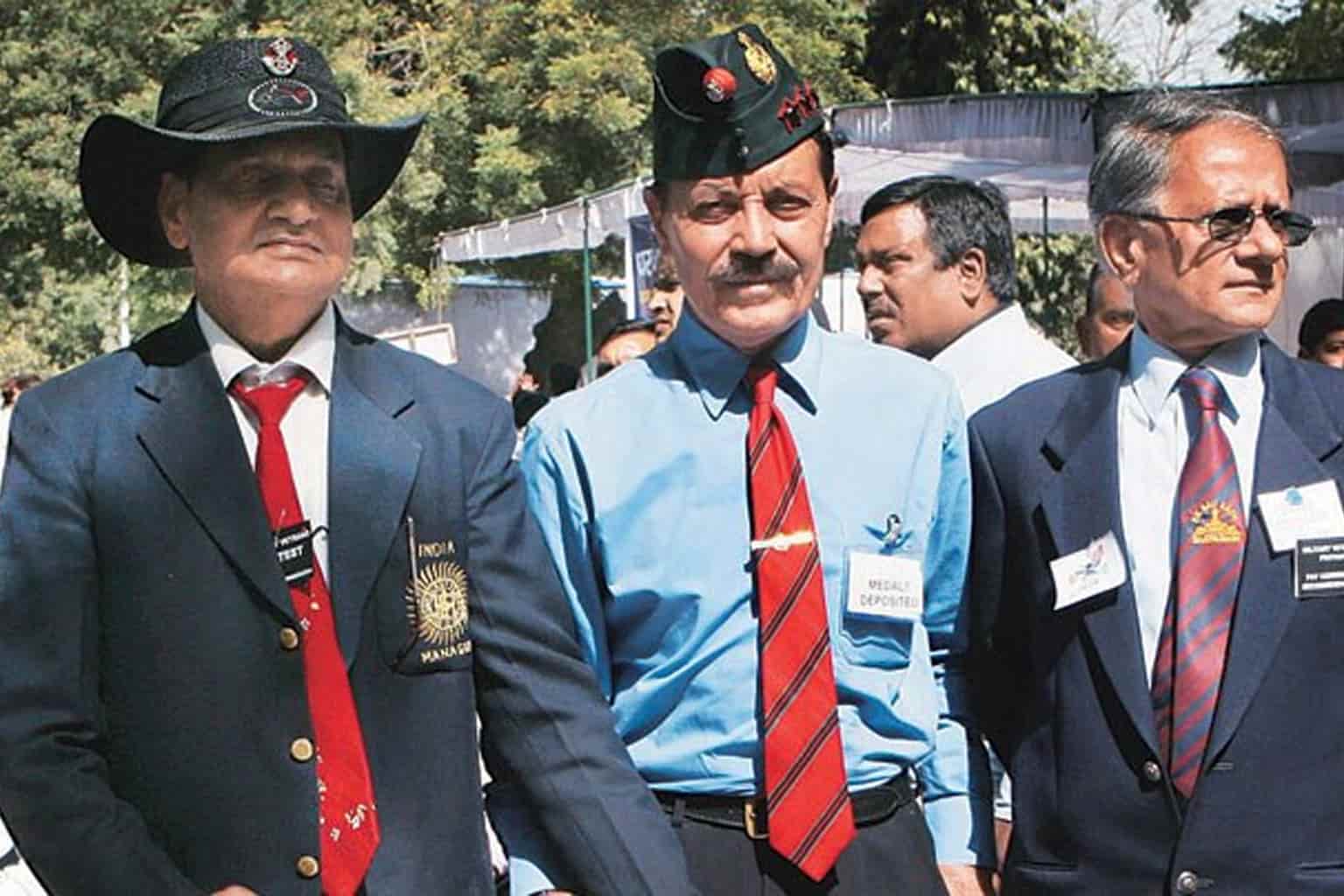
Gujarat has introduced an important welfare measure for serving defence personnel, ex-servicemen and certain defence families living in Gram Panchayat areas. Under the Gujarat Gram and Nagar Panchayats Taxes and Fees (Amendment) Rules, 2026, eligible beneficiaries can get exemption from Panchayat/property tax on one residential house.
The change follows an amendment to the Gujarat Gram and Nagar Panchayats Taxes and Fees Rules, 1964. Reports published on 11–12 September 2026 state that the final amended rules have been notified after an earlier draft was issued for public objections and suggestions.

Who can get the Panchayat tax exemption?
According to the reports, the exemption covers specified defence-related categories, including:
- serving defence personnel;
- spouse of serving defence personnel;
- ex-servicemen or retired defence personnel; and
- widows of soldiers who died while in service.
The available reports do not extend the benefit generally to every dependent, child or parent of a defence person. Therefore, eligibility should be understood only according to the categories specifically mentioned in the amended-rule reporting.
The exemption is limited to one residential property
This is the most important condition.
The tax relief is not for every property owned by an eligible veteran or serving defence person. The exemption is reported to apply to one residential house situated within a Gram Panchayat jurisdiction in Gujarat.
The property should be owned or occupied as a residential property by the eligible beneficiary.
This means the available reports do not establish exemption for:
- multiple houses;
- commercial properties;
- properties outside Gram Panchayat areas; or
- urban municipal/corporation property tax.

What tax is being exempted?
The measure relates specifically to Panchayat/property tax levied on the residential house under the Gram Panchayat framework.
It should not be described as a blanket exemption from every property-related tax or Government charge in Gujarat. The available reports specifically discuss relief under the State’s Panchayat tax rules.
How did the rule change happen?
The amendment process did not begin suddenly in September 2026.
Reports state that the Gujarat Government first published draft amendment rules in December 2025 in the Extraordinary Gazette and invited objections and suggestions.
After considering the feedback received, the Government proceeded with the final Gujarat Gram and Nagar Panchayats Taxes and Fees (Amendment) Rules, 2026.
This makes the latest development different from a proposal that is still only under discussion.

When does the exemption become effective?
The reports state that the amended rules will come into force from the date they are published in the Official Gazette.
However, the news reports reviewed for this article do not provide the exact final Gazette publication date or notification number.
Therefore, beneficiaries should not assume an exact implementation date merely from the date of the newspaper report.
The safest position is:
The final amendment has been reported as notified, while the exact Gazette publication details should be verified from the official notification.
Why is this relief important for ex-servicemen?
Unlike many welfare announcements that provide a one-time payment, this measure can potentially reduce a recurring household expense.
An eligible ex-serviceman, serving defence person or specified widow who owns or occupies one residential property in a Gram Panchayat area may no longer have to pay the applicable Panchayat property tax on that house, subject to the final rules and eligibility verification.
The value of the benefit will naturally depend on the Panchayat tax applicable to the individual property.
What is confirmed and what still needs verification?

What should eligible beneficiaries do?
Serving personnel, ex-servicemen and eligible widows should wait for or obtain the final Government notification before relying on the exemption for a specific property.
They should particularly verify:
- whether their property falls under a Gram Panchayat;
- whether they fall within an eligible category;
- whether the residential house is the one property for which exemption is being claimed; and
- what certificate or service-related proof the concerned Panchayat requires.
No application process or standard document checklist has been established in the reports reviewed for this article, so these details should not be assumed until official implementation instructions are available.
What readers should know?
The Gujarat Government’s 2026 amendment represents a meaningful welfare measure for the defence community, but the scope is specific.
It is not a blanket property-tax waiver for every property owned by every veteran.
The relief is reported for one residential house situated in a Gram Panchayat area, and it applies to specified categories including serving personnel, their spouses, ex-servicemen and widows of personnel who died in service.
The next document to watch is the final Official Gazette notification, because that will provide the exact legal wording, commencement date and procedure to claim the exemption.



Leave a Reply