

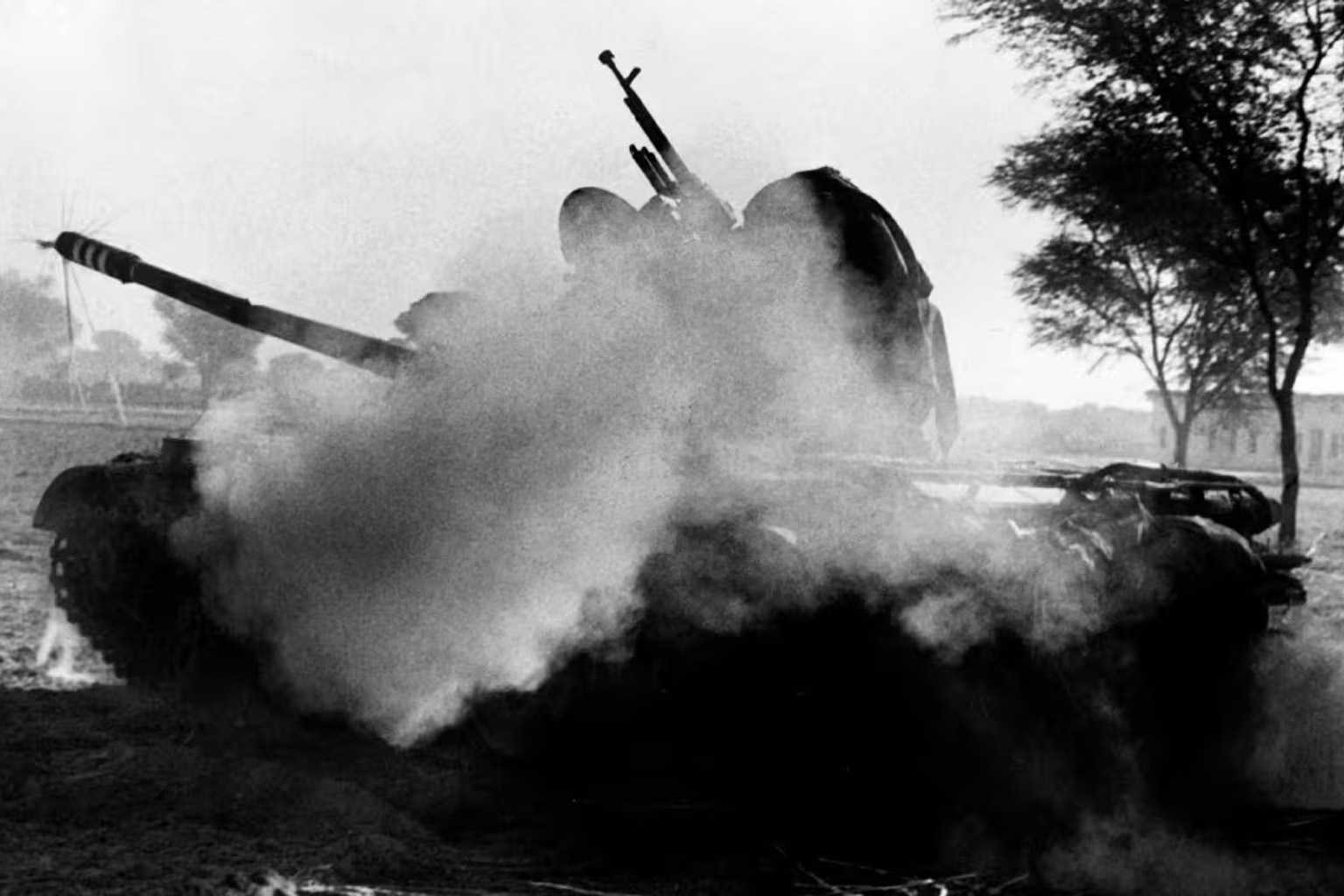
1971 के India-Pakistan War में Eastern Front की जीत सबसे ज्यादा याद की जाती है, लेकिन Western Front पर Battle of Chhamb Indian Army के लिए सबसे कठिन engagements में से एक थी। Pakistan ने Chhamb sector में भारी force concentration के साथ offensive किया और India को Munawar Tawi के west का महत्वपूर्ण क्षेत्र छोड़ना पड़ा। इसके बावजूद hill sector में Point 707 और Laleali जैसे positions पर repeated attacks रोके गए, जहां infantry के साथ Indian artillery की fire support महत्वपूर्ण रही। Military histories specifically 86 Light Regiment के योगदान को record करती हैं.
इस battle को एक अलग नजर से समझने का मौका मिलता है Major M.P. Sharma (Retd.) के first-person account से। वह 1971 में 86 Light Regiment के young artillery officer थे और Forward Observation Officer की भूमिका में infantry के साथ काम कर रहे थे। उनकी recollections युद्ध से ठीक पहले planning change, battlefield uncertainty, artillery deployment और frontline pressure की ground-level picture देती हैं।

Chhamb इतना महत्वपूर्ण क्यों था?
Chhamb केवल border territory नहीं था। Pakistan की तरफ से यहां breakthrough होने पर आगे Jaurian और Akhnoor पर pressure बढ़ सकता था। A.J.S. Sandhu की military study के अनुसार Pakistan ने 23 Infantry Division के तहत five infantry brigades, one armoured brigade और 31 artillery batteries concentrate की थीं और Akhnoor strategic objective था.
Indian 10 Infantry Division इस sector की defence संभाल रही थी। Chhamb plains और northern hill sector की geography अलग थी, इसलिए पूरी battle को एक single result से समझना सही नहीं होगा।
War से ठीक पहले plan क्यों बदल गया?
Major Sharma बताते हैं कि उनकी formation कई सप्ताह तक offensive operation की तैयारी कर रही थी। October 1971 में 86 Light Regiment Pathankot से operational area की ओर move हुई और reconnaissance तथा training offensive mindset के साथ चल रही थी।
Published history इस broad picture को support करती है। A.J.S. Sandhu के अनुसार 10 Infantry Division का task war से पहले कई बार बदला और अंततः 1 December 1971 को defensive posture adopt करने का आदेश आया.
Major Sharma recalls कि उनके level पर defensive order 2 December को स्पष्ट हुआ। उनके अनुसार इतने कम समय में offensive preparation को defensive deployment में बदलना troops और commanders दोनों के लिए बड़ा challenge था।

Forward Observation Officer की भूमिका क्या थी?
Artillery guns battlefield से कई kilometres पीछे हो सकती हैं। इसलिए frontline पर मौजूद Forward Observation Officer (FOO) enemy position observe करके fire को guide करता है।
FOO का काम broadly:
- enemy target identify करना;
- artillery fire request करना;
- first rounds observe करना;
- correction देना;
- infantry की जरूरत के अनुसार fire shift या stop कराना.
Major Sharma के account की खास value यही है कि वह battle को gun position से नहीं, infantry के साथ forward observation perspective से describe करते हैं।

Sutau Nala incident: एक warning जिसे Major Sharma आज भी याद करते हैं
Transcript का सबसे unusual episode युद्ध शुरू होने से ठीक पहले ammunition convoy से जुड़ा है।
Major Sharma recalls कि उनकी battery से ammunition लेकर तीन vehicles Keri area की ओर भेजे गए थे। Sutau Nala के आसपास vehicles पर firing हुई, एक jawan घायल हुआ और convoy वापस लौट आया। Sharma के अनुसार उन्होंने vehicles पर bullet marks देखे और जवानों से घटना सुनी। उन्हें suspicion हुआ कि forward area में hostile infiltration हो सकती है और उन्होंने information अपने Battery Commander तक पहुंचाई।
इस घटना को first-person recollection के रूप में ही पढ़ना चाहिए। उपलब्ध published military sources में इस exact convoy episode की independent confirmation नहीं मिली।
हालांकि, broader infiltration threat documented है। Maj Gen Jagjit Singh की Indian Gunners at War के अनुसार 5 December को infiltrators ने Battal में 86 Light Regiment की wagon lines raid कीं, जिसके बाद Indian troops ने counter-action किया.
इसलिए infiltration threat historically supported है, लेकिन Major Sharma द्वारा बताए गए Sutau Nala incident को independently established fact नहीं कहा जा सकता।

3 December को Chhamb battle कैसे शुरू हुई?
3 December 1971 की evening Pakistan ने Western Front पर major offensive शुरू किया। Chhamb sector में 23 Infantry Division ने heavy artillery और armour support के साथ attack किया.
Major Sharma recalls कि Pakistan द्वारा Indian airfields पर strikes की news radio पर आने के बाद उन्हें लगा कि Chhamb में भी full-scale fighting शुरू होने वाली है।
जब उन्हें forward situation देखने भेजा गया, उन्होंने civilians को अपने जरूरी सामान के साथ पीछे की ओर जाते देखा। एक अलग Indian Air Force veteran account भी Chhamb area में civilians के evacuation जैसी scenes record करता है.
Point 707 और Laleali पर क्या हुआ?
Chhamb plains में Indian forces को serious setback मिला, लेकिन northern hill sector में fighting का result अलग रहा।
Maj Gen Jagjit Singh की artillery history के अनुसार 28 Infantry Brigade के area में Dewa, Point 707, Laleali और Red Hill major battle locations थे। 86 Light Regiment less one battery इस brigade के direct artillery support में थी.
4 December को Point 707 पर heavy bombardment के बाद Pakistani attack आया। Battery Commander Major Gurdev Singh ने artillery fire bring down किया और attack repulse हुआ। बाद में Point 707 और Laleali पर फिर attacks हुए, जिन्हें artillery support के साथ रोका गया.
7 December को Laleali पर determined attack में कुछ forward localities temporarily overrun हुईं, लेकिन counter-attack और artillery support से positions restore की गईं.
Government of India के PIB record में भी 8 Jammu & Kashmir Light Infantry की Chhamb battle participation और Laleali तथा Picquet 707 Battle Honours का उल्लेख है.

86 Light Regiment की भूमिका क्यों उल्लेखनीय रही?
Published gunner history 86 Light Regiment की Point 707 और Laleali में performance को specifically commend करती है। उसी history में 86 Light Regiment और 39 Medium Regiment को “Laleali and Point 707” Honour Title दिए जाने का उल्लेख है.
Major Sharma अपने account में intense artillery firing, लगातार ammunition requirement और batteries की rapid movement describe करते हैं।
वह एक रात में एक battery द्वारा 15,545 rounds fire किए जाने की memory भी बताते हैं। इस exact figure की independent documentary confirmation उपलब्ध sources में नहीं मिली, इसलिए इसे regimental statistic की तरह नहीं बल्कि Major Sharma’s recollection के रूप में ही रखा जाना चाहिए।
क्या Chhamb को केवल Indian defeat कहना सही है?
Strategic result को छिपाना सही नहीं होगा।
Pakistan ने Chhamb territory capture की, और Indian forces को Munawar Tawi के west से withdraw करना पड़ा। यह India के लिए serious territorial setback था.
लेकिन पूरी battle वहीं समाप्त नहीं हुई।
Northern hill sector में:
- Point 707 hold किया गया;
- Laleali पर repeated attacks रोके गए;
- Red Hill attacks repulse हुए;
- Dewa को छोड़कर 8 J&K Militia ने कई key positions नहीं छोड़ीं.
इसलिए दो statements साथ-साथ true हो सकती हैं:
Chhamb में India को territorial setback मिला।
और:
उसी battle के कुछ sectors में Indian troops ने successful defensive actions लड़ीं।
यही distinction इस battle को अधिक accurately समझाता है।
Verified history और Major Sharma की recollections में फर्क
| Published sources से supported | Major Sharma की first-person recollection |
|---|---|
| 10 Infantry Division का role war से पहले बदला | Unit-level defensive order की timing |
| Pakistan ने Chhamb में major force concentrate की | Defensive shift से morale पर immediate effect |
| 86 Light Regiment 28 Infantry Brigade support में थी | Sutau Nala ammunition convoy incident |
| Point 707 और Laleali पर heavy fighting हुई | Incident report पर headquarters की reaction |
| 86 Light Regiment ने artillery support दिया | Exact conversations with commanders |
| Infiltrators ने regiment की wagon lines target कीं | One battery firing 15,545 rounds |
| Chhamb territory Pakistan के control में गई | Pakistani command disruption से exact operational breathing space |
यह distinction article की सबसे important credibility line है:
Veteran memory historical evidence को enrich करती है, लेकिन हर battlefield recollection automatically documentary fact नहीं बन जाती।

Chhamb 1971 से तीन military lessons क्या निकलते हैं?
Mission change matters: offensive preparation से अंतिम समय में defensive deployment पर जाना minefields, positions, fire plans और logistics को प्रभावित कर सकता है। Published military history इस late change को battle conduct का important factor मानती है.
Intelligence must translate into action: Pakistani force concentration Indian expectations से ज्यादा strong निकली। Battlefield warnings तभी useful होती हैं जब timely assessment और response हो।
Infantry-artillery coordination can decide local battles: Point 707 और Laleali इसका clear example हैं, जहां defensive troops को effective artillery support मिला.
Battle का सबसे important takeaway
Battle of Chhamb को न romanticise करना चाहिए, न केवल एक-line defeat में reduce करना चाहिए।
Pakistan ने Chhamb में significant territorial success हासिल की, लेकिन Point 707 और Laleali जैसे positions पर Indian infantry और artillery ने repeated attacks रोककर northern hill sector में अलग tactical picture बनाई।
Major M.P. Sharma का account इस documented history में वह layer जोड़ता है जो official battle summaries अक्सर नहीं दे पातीं—orders बदलने की uncertainty, forward observation, ammunition movement, battlefield warnings और artillery crews पर pressure।
यही Chhamb 1971 की पूरी story समझने के लिए सबसे valuable perspective है।
Sources
A.J.S. Sandhu — Battleground Chhamb: The Indo-Pakistan War of 1971
10 Infantry Division की changing tasking, Pakistani force concentration और Chhamb की strategic significance.
Maj Gen Jagjit Singh — Indian Gunners at War: The Western Front, 1971
86 Light Regiment, Point 707, Laleali, infiltration और artillery operations.
Times of India — Indo-Pak War 1971 and the Battle of Chhamb
Battle chronology और Pakistan offensive का supporting military account.
Bharat Rakshak — Battle of Chhamb through an IAF FAC’s account
Chhamb battlefield environment और civilian evacuation का first-person supporting account.
Parliament Digital Library — Prime Minister Indira Gandhi, 17 December 1971
Western Front पर operations 17 December 1971 को 20:00 hours से cease करने का official record.



Leave a Reply