

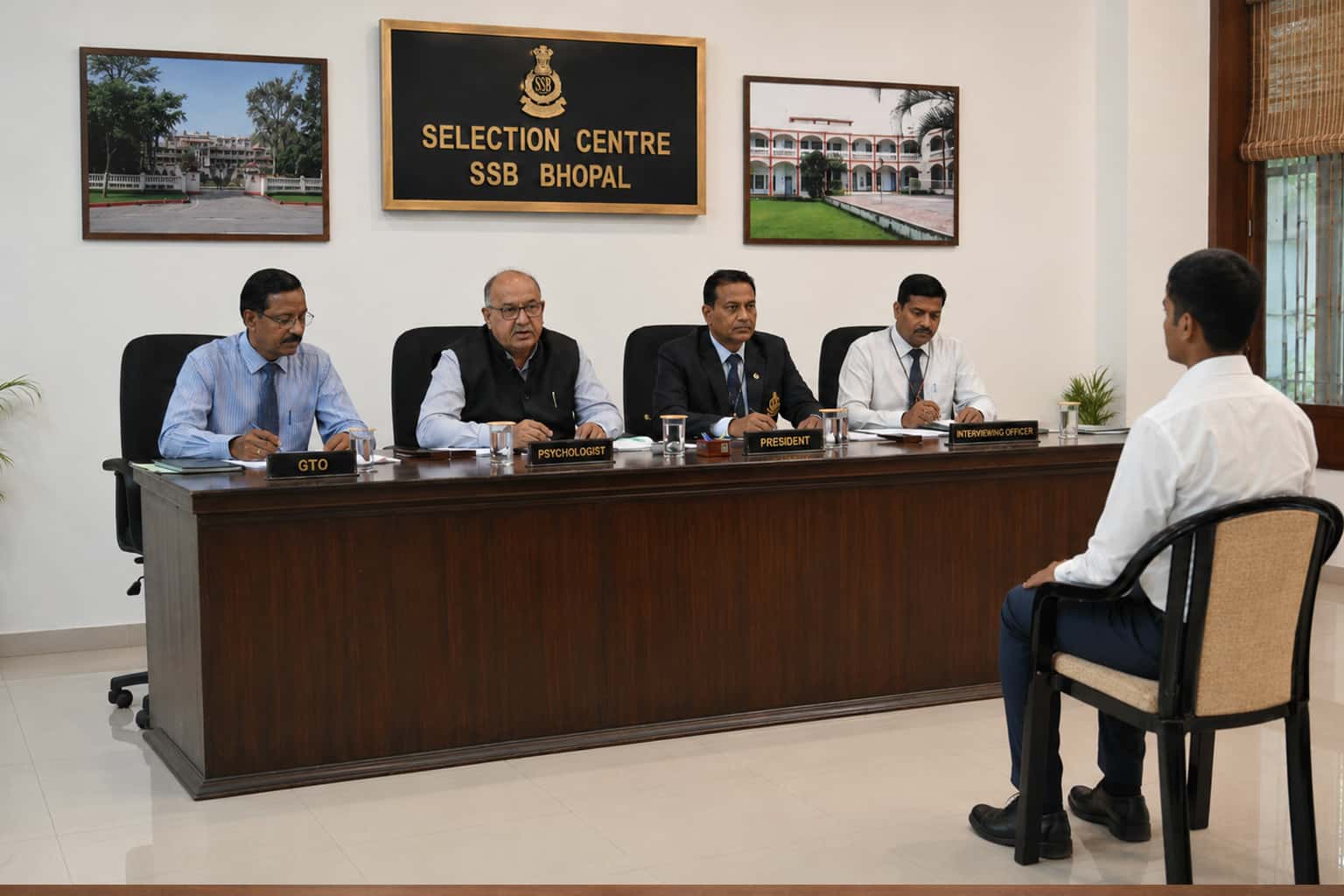
SSB में Psychologist candidate की English, memorised stories या “perfect answers” खोजने नहीं बैठता। उसका उद्देश्य यह समझना होता है कि candidate सोचता कैसे है, दबाव में निर्णय कैसे लेता है, लोगों के साथ उसका व्यवहार कैसा है और उसकी responses में personality कितनी consistent दिखाई देती है।
Sainik Welfare News के साथ बातचीत में Veteran Commander Sudhir Kumar, जिन्होंने Defence Institute of Psychological Research (DIPR) में psychologist training और बाद में SSB assessment का अनुभव साझा किया, ने TAT, WAT, SRT और Self Description Test को candidate की personality समझने के अलग-अलग माध्यम बताया। उनका सबसे स्पष्ट संदेश था—SSB में artificial personality बनाना कठिन है; candidate को अपनी वास्तविक strengths और weaknesses के साथ सामने आना चाहिए।
Official Indian Navy material भी SSB को दो stages में बताता है। Stage I में intelligence/OIR और Picture Perception and Discussion Test होता है, जबकि Stage II में psychological testing, group testing और personal interview शामिल हैं।

SSB में Psychologist की वास्तविक भूमिका क्या है?
SSB assessment को केवल “psychology test” के रूप में देखना अधूरा है।
Candidate को broadly तीन perspectives से देखा जाता है:
- Psychologist psychological responses के माध्यम से;
- Group Testing Officer group और ground-based situations में;
- Interviewing Officer personal interaction और candidate की life background के माध्यम से।
Commander Sudhir Kumar के अनुसार तीनों assessors का रास्ता अलग हो सकता है, लेकिन वे broadly candidate में military officer role के लिए relevant personality qualities और behaviour patterns देख रहे होते हैं।
DRDO के अनुसार DIPR Armed Forces के personnel-selection systems के लिए intelligence, aptitude और personality-assessment tools develop, standardise और validate करता है, assessors को train करता है और selection systems का evaluation भी करता है।
इसलिए candidate के लिए महत्वपूर्ण सवाल यह नहीं होना चाहिए:
“Psychologist को कौन-सा answer पसंद आएगा?”
बेहतर सवाल है:
“मेरी response मेरी वास्तविक judgement, attitude और personality के बारे में क्या दिखा रही है?”
क्या सबसे ज्यादा candidates Psychology में fail होते हैं?
Interview में इस धारणा को Commander Sudhir Kumar ने सही नहीं माना।
उनका तर्क है कि SSB में Psychologist, GTO और Interviewing Officer को अलग-अलग “pass-fail subjects” की तरह नहीं समझना चाहिए। Candidate का overall assessment कई independent observations से बनता है।
Official Navy documents भी Stage II को psychological testing, group testing और interview के combined assessment process के रूप में describe करते हैं।
इसलिए:
Psychology कमजोर = automatic rejection
या
Interview अच्छा = selection guaranteed
जैसे simplified formulas पर भरोसा करना सही approach नहीं है।

TAT में Psychologist क्या देख सकता है?
TAT को interview में Commander Sudhir Kumar ने psychological assessment के सबसे revealing tools में से एक बताया।
DRDO material भी Thematic Appreciation Test और Situation Reaction Test जैसे tools को Armed Forces selection research का हिस्सा बताता है। DIPR ने gender-neutral selection tools और TAT data sets के psychometric updating पर भी काम किया है।
TAT में candidate को picture-based stimulus मिलता है और उससे एक story develop करनी होती है।
यहां केवल कहानी “अच्छी” है या “बुरी”, इतना देखना पर्याप्त नहीं है।
Response potentially यह reveal कर सकती है कि candidate:
- situation में problem क्या देखता है;
- central character को passive बनाता है या action-oriented;
- उपलब्ध resources को realistically use करता है या नहीं;
- situation का assessment balanced है या exaggerated;
- outcome practical है या fantasy-driven;
- repeatedly एक ही तरह का theme तो नहीं बना रहा।
Commander Sudhir Kumar ने खास तौर पर repetitive defence-oriented stories से बचने की सलाह दी। अगर हर picture में candidate किसी character को Army officer बनाकर heroically problem solve करा रहा है, तो response natural personality से ज्यादा rehearsed template जैसा लग सकता है।
TAT की तैयारी का मतलब क्या stories याद करना है?
नहीं।
Interview से निकलने वाला useful preparation principle यह है कि candidate picture देखकर observe → think → organise → express करने की practice करे।
Practice useful हो सकती है क्योंकि इससे writing speed और thought organisation improve हो सकते हैं।
लेकिन predetermined stories याद करके हर picture में fit करना उल्टा नुकसान कर सकता है।
Candidate को यह check करना चाहिए:
क्या story picture से naturally निकल रही है?
क्या action realistic है?
क्या problem का solution उपलब्ध situation के अनुसार है?
क्या हर story में मैं वही theme repeat कर रहा हूं?
TAT preparation का बेहतर उद्देश्य “ideal story” सीखना नहीं, बल्कि clear और realistic thinking को जल्दी express करना होना चाहिए।
WAT में एक sentence इतना important क्यों हो सकता है?
Word Association Test candidate की immediate association और response pattern को देखने का एक माध्यम है।
DRDO research literature Word Association Test को personality और affect-related assessment के लिए इस्तेमाल होने वाले psychological tools में discuss करता है। एक DIPR study ने WAT responses में positive, negative और neutral affect जैसे dimensions का अध्ययन किया।
Interview में Commander Sudhir Kumar ने “Delhi” शब्द का simple example दिया।
उन्होंने तीन प्रकार की responses समझाईं:
“Delhi is the capital of India.”
इसके मुकाबले monument-oriented association,
और फिर Parliament तथा democracy से जुड़ी association।
उनका उद्देश्य कोई official WAT scoring formula बताना नहीं था। उदाहरण यह समझाने के लिए था कि एक ही शब्द candidate की thinking को अलग-अलग directions में trigger कर सकता है।
WAT में इसलिए सिर्फ grammar या sophisticated vocabulary पर focus करना गलत होगा।
Candidate की overall responses में अधिक महत्वपूर्ण हो सकता है:
- thought clarity;
- attitude;
- realism;
- consistency;
- spontaneous association;
- repeated negativity या unrealistic positivity से बचाव।
क्या WAT में हर sentence positive होना चाहिए?
“Positive sentence लिखो” को mechanical rule बना देना भी problem पैदा कर सकता है।
Real life में हर शब्द happy या motivational sentence नहीं बनाता।
यदि candidate हर difficult word को forced motivational slogan में बदलता है, तो responses artificial लग सकती हैं।
बेहतर approach है:
Natural + constructive + realistic response.
Positive thinking का अर्थ वास्तविक समस्या से आंख बंद करना नहीं है।
SRT में bravery ज्यादा जरूरी है या judgement?
Situation Reaction Test interview का सबसे practically useful हिस्सा था।
Commander Sudhir Kumar ने एक hypothetical situation दी:
Candidate जंगल के रास्ते जा रहा है। चार लोग दिखाई देते हैं, उनके चेहरे ढके हुए हैं और candidate को शक हो सकता है कि उनके पास हथियार हैं।
एक extreme response हो सकती है:
“मैं भाग जाऊंगा।”
दूसरी:
“मैं अकेला चारों से लड़ूंगा।”
लेकिन उन्होंने तीसरा angle उठाया—क्या candidate ने यह verify किया कि वे वास्तव में threat हैं? हो सकता है वे खेत से लौट रहे लोग हों और चेहरे धूल, ठंड या agricultural work के कारण ढके हों।
इस example की सबसे बड़ी सीख है:
SSB में सबसे dramatic response जरूरी नहीं कि सबसे mature response हो।
Good situational response में context के अनुसार कई चीजें साथ दिखाई दे सकती हैं:
- situational awareness;
- judgement;
- functional intelligence;
- courage;
- calculated risk;
- empathy;
- practical action.

Self Description Test में candidate कहां expose हो सकता है?
Self Description Test candidate को अपने बारे में multiple perspectives से सोचने के लिए मजबूर करता है।
Interview में Commander Sudhir Kumar ने parents, teachers, friends और self-perception जैसे viewpoints का उल्लेख किया।
यहीं consistency महत्वपूर्ण हो जाती है।
यदि candidate अपनी Personal Information Questionnaire में खुद को:
- outstanding sportsman;
- natural leader;
- academically exceptional;
- highly social;
- हर activity में top performer
बताता है, लेकिन बाकी psychological responses और self-description उस picture को support नहीं करते, तो mismatch दिखाई दे सकता है।
इसलिए SDT का practical lesson है:
Impressive दिखने से ज्यादा जरूरी accurate self-awareness है।
Candidate अपनी वास्तविक strengths लिख सकता है, लेकिन weaknesses को completely hide करके artificial profile बनाना useful strategy नहीं है।
क्या कमजोर English SSB selection रोक सकती है?
Interview का सबसे important myth-buster यही था।
Commander Sudhir Kumar के अनुसार weak English को officer potential के बराबर नहीं समझना चाहिए। Rural-background candidate भी effectively perform कर सकता है, provided वह अपने विचार clear और confident तरीके से express कर सके।
उन्होंने अपने अनुभव से ऐसे candidate का उदाहरण दिया जो English में बहुत strong नहीं था, लेकिन confident और clear था और आगे military career में senior level तक पहुंचा।
यह anecdotal example है, कोई formal selection rule नहीं।
लेकिन इससे useful distinction निकलता है:
English fluency ≠ Officer Like Quality
और साथ ही:
Poor self-expression भी ignore नहीं किया जा सकता।
Candidate Hindi, English या जिस permitted medium में comfortable हो, उसमें genuine thought को clear तरीके से present करने की क्षमता develop करे।
Introvert candidate SSB clear कर सकता है?
Commander Sudhir Kumar का answer था—introvert होना अपने-आप में problem नहीं है।
Problem तब आती है जब candidate opportunity मिलने के बावजूद अपने विचार communicate नहीं कर पाता।
Screening और group activities में candidate को:
- discussion सुनना;
- relevant point रखना;
- दूसरों को space देना;
- जरूरत पड़ने पर initiative लेना;
- अपने विचार articulate करना
आना चाहिए।
SSB में loudest person automatically best candidate नहीं होता।
लेकिन completely silent रहकर assessor से यह expect करना कि वह आपकी internal intelligence स्वयं समझ जाएगा, practical नहीं है।
क्या SSB coaching जरूरी है?
Interview coaching पर एक balanced position सामने रखता है।
Commander Sudhir Kumar के अनुसार coaching candidate को:
- SSB structure समझने;
- unfamiliarity कम करने;
- communication practice;
- test format familiarisation;
- self-presentation refine करने
में मदद कर सकती है।
लेकिन coaching और personality transformation को एक समझना गलत है।
कुछ दिनों की preparation किसी deeply ingrained attitude को magically बदल नहीं सकती।
इसीलिए best coaching वह होगी जो candidate को scripted answers देने के बजाय अपनी genuine qualities बेहतर तरीके से express करना सिखाए।
Repeaters को क्या अलग साबित करना पड़ता है?
Repeat candidate के पास एक advantage भी है और expectation भी।
Advantage यह कि वह SSB environment पहले देख चुका है।
Expectation यह कि previous experience से उसने कुछ सीखा होगा।
Commander Sudhir Kumar के अनुसार repeater में improvement देखना natural expectation है। यदि experienced repeater और completely fresh candidate बिल्कुल same level पर perform करते हैं, तो fresher की performance contextually अधिक impressive मानी जा सकती है—यह उनका professional assessment है, कोई published universal SSB scoring rule नहीं।
Repeater को इसलिए “answers बदलने” के बजाय यह analyse करना चाहिए:
क्या communication बेहतर हुआ?
क्या situational judgement improve हुई?
क्या awareness बढ़ी?
क्या group behaviour mature हुआ?
क्या पिछले attempt की genuine weakness पर काम हुआ?
क्या GTO में ज्यादा obstacles complete करना selection की guarantee है?
नहीं।
Interview में Commander Sudhir Kumar ने अपना candidate-time experience साझा किया। उन्होंने physical obstacles में strong performance को उस समय बहुत बड़ा advantage माना था, लेकिन assessor training के बाद उनकी understanding बदली।
उनके अनुसार केवल obstacle count पर fixation सही नहीं है।
Activity में assessor broader behaviour भी देख सकता है:
- planning;
- choice;
- courage;
- calculated risk;
- persistence;
- physical confidence.
इसका मतलब physical fitness कम important नहीं है।
Fitness candidate को alert, energetic और confident रहने में मदद करती है। लेकिन SSB athletic competition नहीं है।
Fake achievements और rehearsed personality सबसे बड़ा risk क्यों हैं?
Interview में honesty repeatedly सामने आती है।
Commander Sudhir Kumar की सबसे direct advice है कि Personal Information Questionnaire और interaction में candidate अपने achievements exaggerate न करे।
यदि आपने किसी sport में captaincy नहीं की, तो captain लिखना unnecessary risk है।
यदि कोई activity नहीं की, तो impressive दिखने के लिए उसे invent करना गलत है।
कारण simple है:
Candidate एक जगह केवल form नहीं भरता। उसके background, interview, psychological responses और group behaviour के कई signals सामने आते हैं।
इसलिए preparation का सही लक्ष्य होना चाहिए:
कमियां छिपाना नहीं—उन पर काम करना।

SSB से 30 दिन पहले किन पांच चीजों पर focus करें?
Interview से एक practical 30-day preparation framework निकलता है।
1. General awareness मजबूत करें
Newspaper पढ़ें। अपने district, state, India और world के major developments समझें।
सिर्फ facts collect करने के बजाय यह सोचें कि issue क्यों important है।
2. Written और spoken expression practice करें
Picture देखकर short story organise करने की practice करें।
कोई topic लेकर limited time में बोलें।
Goal fancy English नहीं—clear thinking और structured expression होना चाहिए।
3. Physical fitness improve करें
Running, stamina, mobility और basic fitness पर काम करें।
अचानक extreme training शुरू करके injury risk न लें।
4. Honest feedback लें
Friends, parents और teachers से पूछें:
“मेरी strongest qualities क्या हैं?”
“मैं group में कहां struggle करता हूं?”
Self Description preparation में यह feedback useful हो सकता है।
5. SSB process से familiar हों
Official information और credible books/resources से process समझें।
Coaching लें तो उसे familiarisation और refinement के लिए use करें, ready-made personality खरीदने के लिए नहीं।

DIPR की भूमिका SSB system में क्यों महत्वपूर्ण है?
DIPR, DRDO के Soldier Support System cluster की specialised psychological research laboratory है।
DRDO के official description के अनुसार इसके personnel-selection work में शामिल हैं:
- selection systems का design और evaluation;
- intelligence, aptitude और personality-assessment tools;
- psychometric standardisation;
- assessors की training;
- selection-system validation;
- leadership-related research.
DRDO के historical institutional material में भी DIPR की भूमिका SSB assessors—Psychologists, Group Testing Officers और Interviewing Officers—की training और selection techniques development से जुड़ी बताई गई है।
Commander Sudhir Kumar ने अपने अनुभव में theoretical DIPR training और बाद में SSB practical attachment की process का उल्लेख किया। उनके personal training duration और assessment-consistency से जुड़े numerical details को उनके first-person recollection के रूप में देखना चाहिए; वे वर्तमान universal training rule के रूप में independently established नहीं हैं।
Social media और AI defence aspirants के लिए नई psychological challenge क्यों हैं?
Interview का एक modern angle social media और AI था।
आज candidate पहले की तुलना में कहीं ज्यादा information consume करता है।
लेकिन exposure और knowledge एक ही चीज नहीं हैं।
Commander Sudhir Kumar ने fake news और AI-generated information को blindly accept न करने की सलाह दी।
Defence aspirant के लिए इसका practical implication साफ है:
Forward होने वाली हर information current affairs नहीं है।
Current affairs preparation में:
- source check करें;
- official confirmation देखें;
- opposing viewpoints समझें;
- headline से आगे पढ़ें;
- अपनी reasoned opinion develop करें।
SSB में mature awareness केवल “बहुत सारी खबरें जानने” से नहीं, बल्कि information को analyse करने की क्षमता से बनती है।
क्या SSB rejection का मतलब candidate में capability नहीं है?
नहीं।
यह interview का सबसे जरूरी psychological message है।
SSB Armed Forces officer selection के context में suitability assess करता है।
Candidate recommend नहीं होता तो इससे यह conclusion नहीं निकलता कि वह:
- intelligent नहीं है;
- career में सफल नहीं होगा;
- leadership नहीं कर सकता;
- किसी दूसरे profession में outstanding नहीं बन सकता।
Commander Sudhir Kumar ने भी स्पष्ट कहा कि SSB rejection को wider life failure नहीं समझना चाहिए।
Selection system एक specific role के लिए suitability देख रहा है—पूरे व्यक्ति की life potential पर verdict नहीं दे रहा।
क्या confirmed है और क्या expert interpretation है?
Confirmed from official sources:
- SSB selection Stage I और Stage II structure में होता है.
- Stage I में intelligence/OIR और Picture Perception and Discussion Test शामिल हैं.
- Stage II में psychological testing, group testing और personal interview होता है.
- DIPR Armed Forces personnel-selection tools और assessor training पर काम करता है.
- DRDO material TAT, SRT और WAT जैसे psychological tools पर DIPR research/development का evidence देता है.
Expert interview-based interpretation:
- TAT को सबसे revealing tests में से एक मानना;
- weak English को selection barrier न मानना;
- coaching को personality-changing mechanism की जगह presentation aid मानना;
- repeaters से improvement की अपेक्षा;
- SRT में heroic response की जगह balanced judgement पर जोर;
- honesty और consistency को preparation का core बनाना.
इन observations को useful professional guidance माना जा सकता है, लेकिन इन्हें official SSB scoring formula नहीं समझना चाहिए।
Defence aspirants को सबसे ज्यादा क्या समझना चाहिए?
SSB की तैयारी का सबसे कमजोर तरीका है:
“Psychologist को कौन-सा answer पसंद आएगा?”
बेहतर तैयारी है:
“मैं real situations में बेहतर judgement, awareness, communication और responsibility कैसे develop करूं?”
TAT के लिए stories याद करना, WAT में forced positivity, SRT में unnecessary heroism और Self Description में fake strengths जोड़ना short-term tricks हो सकती हैं—personality development नहीं।
Commander Sudhir Kumar के पूरे interaction का strongest takeaway यही है:
अपने वास्तविक personality traits को समझें, अपनी weaknesses पर काम करें और SSB में वही व्यक्ति बनकर जाएं जो आप वास्तव में हैं—लेकिन अपने बेहतर prepared version के रूप में।

Sources:-
Sainik Welfare News — Interview with Veteran Commander Sudhir Kumar on SSB Psychology and candidate assessment
Defence Research and Development Organisation — Defence Institute of Psychological Research: Work Sphere
DRDO — DIPR Work Sphere
DRDO — Behavioural Analysis for Soldiers and personnel-selection research at DIPR
DRDO — Behavioural Analysis for Soldiers
DRDO — Institutional material on DIPR assessor training and selection-test development
DRDO Newsletter — DIPR Assessor Training and Selection Systems
Defence Life Science Journal / DIPR — Research on Word Association Test and personnel selection
Defence Life Science Journal — Word Association Test Research
Indian Navy — Official SSB selection procedure: Stage I and Stage II
Indian Navy — Official SSB Selection Procedure


Leave a Reply