

₹52,000 crore defence approval क्यों बड़ी खबर है?
भारत की defence preparedness में एक बड़ा कदम सामने आया है। Defence Acquisition Council यानी DAC ने 3 July 2026 को लगभग ₹52,000 crore के capital acquisition proposals को Acceptance of Necessity यानी AoN दिया है। यह approval Raksha Mantri Rajnath Singh की अध्यक्षता में हुई DAC meeting में दिया गया। Ministry of Defence की official PIB release के अनुसार यह approval Defence Forces की combat readiness बढ़ाने के लिए दिया गया है।

यह खबर सिर्फ “defence purchase” वाली सामान्य खबर नहीं है। इसमें Indian Army के लिए anti-drone electronic warfare system, anti-tank missile, air defence missiles, tank protection system और jet-based kamikaze drones जैसे systems शामिल हैं। Indian Navy के लिए unmanned aerial system और electric propulsion testing facility जैसी capabilities हैं, जबकि Indian Air Force के लिए High Altitude Pseudo Satellite जैसा future-looking platform शामिल है।
इसलिए यह approval आने वाले battlefield की direction बताता है — drones, missiles, air defence, surveillance, electronic warfare और unmanned systems अब Indian Armed Forces की planning के केंद्र में हैं।
सबसे पहले समझिए: AoN approval final purchase नहीं होता
इस update को सही तरीके से समझना बहुत जरूरी है। DAC ने इन proposals को Acceptance of Necessity दिया है। PIB ने AoN को “in-principle administrative approval” बताया है। इसका मतलब है कि सरकार ने जरूरत को मान्यता दे दी है, लेकिन इसका अर्थ यह नहीं है कि सभी systems immediately units तक पहुंच गए हैं।
आसान भाषा में:
AoN पहला बड़ा official step है। इसके बाद tendering, cost negotiations, contract signing, production/procurement और delivery जैसी stages आती हैं।
इसलिए article में “DAC ने खरीद को final कर दिया” या “हथियार Army को मिल गए” जैसा लिखना सही नहीं होगा। सही wording होगी:
DAC ने ₹52,000 crore के defence acquisition proposals को AoN दिया है।
यही factual और credible line है।
Indian Army के लिए क्या approved हुआ?
इस approval में Indian Army का हिस्सा सबसे ज्यादा public interest वाला है, क्योंकि इसमें battlefield protection, infantry capability, air defence और drone warfare से जुड़े कई systems शामिल हैं।
PIB के अनुसार Indian Army के लिए approval इन systems के लिए दिया गया है:
| System | आसान भाषा में मतलब |
|---|---|
| AKASH TARANG anti-UAV electronic warfare system | Enemy drones/UAVs से Army formations की protection |
| MPATGM systems | Infantry को enemy tanks और mechanised threats counter करने की capability |
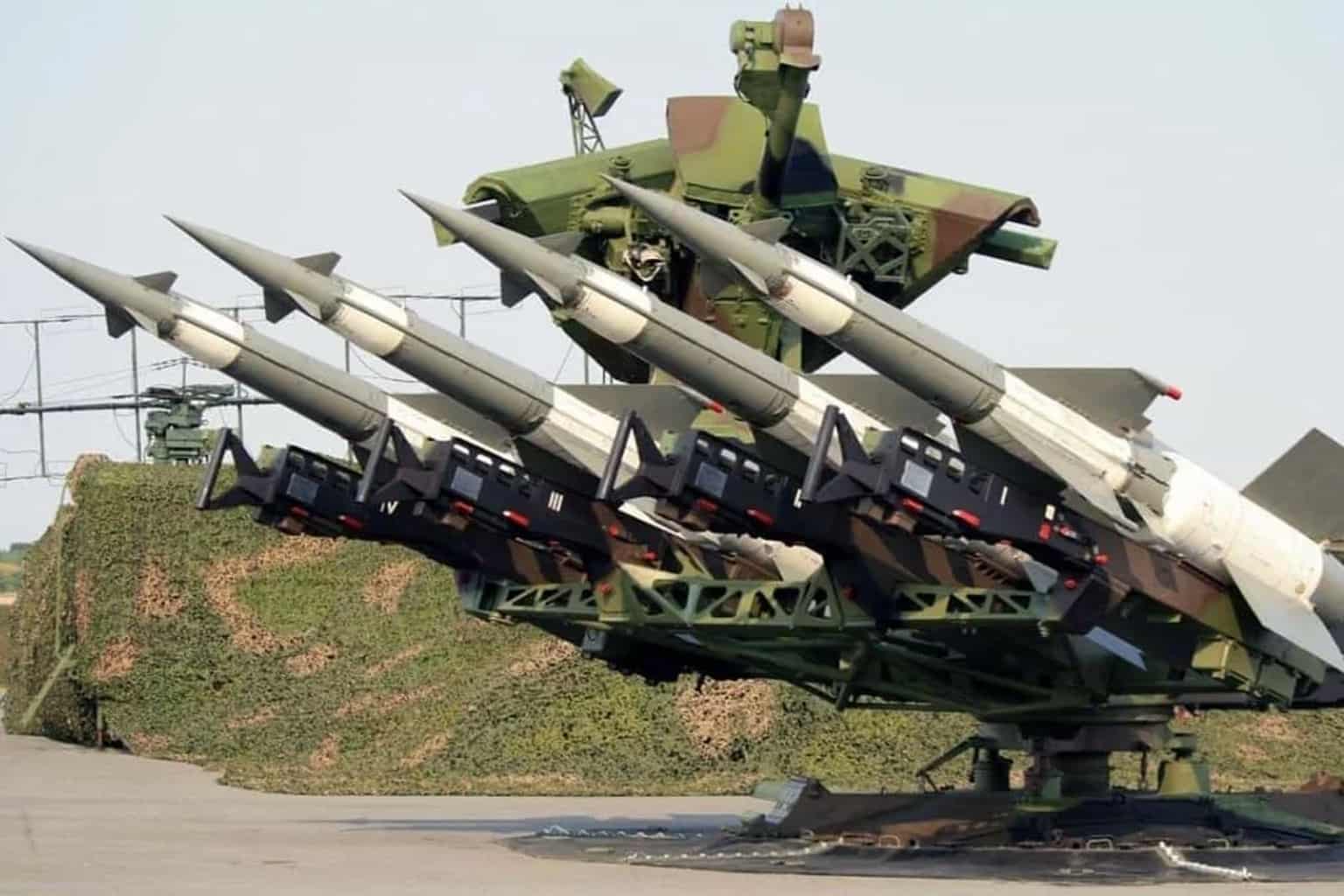
| MRSAM weapon system | Medium-range air defence against aerial threats |
| V-SHORADS | Very short-range air defence for low-level aerial threats |
| Active protection system for tanks | Tanks की survivability बढ़ाने वाली protective system |
| Jet-based kamikaze drone system | High-speed unmanned strike capability with electronic warfare relevance |
PIB के अनुसार AKASH TARANG Army formations को effective anti-UAV protection देगा। MPATGM infantry की ability को mechanised threats counter करने में मजबूत करेगा। MRSAM stand-off aerial threats के खिलाफ medium-range air defence provide करेगा।
Army के लिए anti-drone capability क्यों जरूरी है?
आज का battlefield पहले जैसा नहीं रहा। Drone warfare अब सिर्फ बड़े देशों की technology नहीं है। छोटे drones, loitering munitions, kamikaze drones और UAVs battlefield पर surveillance, targeting, munition dropping और psychological pressure तक का काम कर रहे हैं।
ऐसे समय में Army formations को drone threat से बचाने के लिए electronic warfare और anti-UAV systems बहुत महत्वपूर्ण हो जाते हैं। AKASH TARANG जैसे anti-UAV electronic warfare system का approval इसलिए महत्वपूर्ण है क्योंकि drones को केवल गोली से नहीं, बल्कि signals, jamming, detection और electronic counter-measures से भी counter करना पड़ता है।
Serving soldiers के perspective से इसका मतलब है कि future battlefield में protection केवल helmet, bunker और vehicle armour से नहीं आएगी। Protection अब electronic shield, air defence cover और counter-drone systems से भी आएगी।
MPATGM क्यों important है?
MPATGM यानी Man Portable Anti-Tank Guided Missile infantry के लिए बहुत महत्वपूर्ण capability है। Infantry soldier को battlefield पर enemy armour या mechanised threat का सामना करना पड़ सकता है। ऐसे में portable anti-tank guided missile system infantry को ज्यादा flexible और lethal बनाता है।
PIB के अनुसार MPATGM infantry की potential को adversary के mechanised threats counter करने में enhance करेगा।
Times of India ने भी अपने explainer में MPATGM को indigenous DRDO-designed system बताते हुए लिखा कि यह third-generation anti-tank missile है और top-attack mode capability रखता है, जहां missile tank के relatively weaker top armour को target कर सकता है।
इसका strategic meaning साफ है: future war में infantry को केवल defensive role में नहीं, बल्कि smart anti-armour role में भी सक्षम बनाना होगा।
MRSAM और V-SHORADS से air defence कैसे मजबूत होगा?
इस DAC approval में MRSAM और V-SHORADS दोनों शामिल हैं। दोनों air defence systems हैं, लेकिन उनका role अलग-अलग level पर है।
MRSAM यानी Medium Range Surface-to-Air Missile system medium range पर aerial threats को counter करने में मदद करता है। PIB ने कहा है कि MRSAM system stand-off aerial threats के खिलाफ medium-range air defence provide करेगा।
V-SHORADS यानी Very Short Range Air Defence System low-altitude और short-range aerial threats के खिलाफ point-defence role में उपयोगी हो सकता है। PIB के अनुसार V-SHORADS में multi-spectral sensing होगी, जिससे counter-measure resilience और effectiveness बढ़ेगी।
आज aerial threats में fighter aircraft, helicopters, UAVs, cruise missiles और drones जैसे platforms शामिल हो सकते हैं। इसलिए layered air defence अब luxury नहीं, necessity है।


Tanks के लिए active protection system क्यों बड़ा कदम है?
Battlefield पर tank केवल firepower का symbol नहीं है। वह mobility, shock action और armoured protection का भी symbol है। लेकिन modern anti-tank weapons, guided missiles, drones और top-attack munitions ने tanks के सामने नई चुनौतियां खड़ी कर दी हैं।
इसीलिए Active Protection System का approval important है। PIB के अनुसार यह tanks के defence mechanism को improve करेगा और उनकी survivability बढ़ाएगा।
Simple words में, APS incoming threat को detect और counter करने वाली defensive capability का हिस्सा होता है। यह tank crew की safety और battlefield survivability के लिए important हो सकता है।
Jet-based kamikaze drone system का क्या मतलब है?
Jet-based kamikaze drones इस approval का सबसे attention-grabbing हिस्सा हैं। Kamikaze drone या loitering munition-type system target area में जाकर strike कर सकता है। PIB ने कहा है कि Jet-Based Kamikaze Drones better electronic warfare capability, greater lethality, survivability और cost effectiveness provide करेंगे।
इसका मतलब है कि Indian Army drone warfare को केवल defensive angle से नहीं देख रही। एक तरफ AKASH TARANG anti-UAV protection है, दूसरी तरफ jet-based kamikaze drone system offensive/strike potential की direction दिखाता है।
यही modern battlefield का बड़ा बदलाव है:
Drone से खतरा भी है, और drone खुद capability भी है।
Indian Navy को क्या मिलेगा?
DAC approval में Indian Navy के लिए तीन important proposals शामिल हैं:
| Navy system | Role |
|---|---|
| Multi Influence Ground Mine | Adversary की freedom of manoeuvre deny करने में help |
| Naval Shipborne Unmanned Aerial System | Ship-based surveillance और situational awareness |
| Land Based Testing Facility for Electric Propulsion System | Future naval propulsion systems की testing capability |
PIB के अनुसार Multi Influence Ground Mine adversary की freedom of manoeuvre deny करेगा। Naval Shipborne Unmanned Aerial System advanced sensors के साथ Navy की situational awareness बढ़ाएगा। LBTF naval assets के motors और associated propulsion systems की testing requirements को support करेगा।
यह Navy के लिए दो directions दिखाता है:
पहला, sea-control और sea-denial capability।
दूसरा, unmanned surveillance और future propulsion technology।
Air Force के लिए HAPS क्यों future-focused system है?
Indian Air Force के लिए approval में Fixed-Wing Based High Altitude Pseudo Satellite यानी FW-HAPS शामिल है। PIB के अनुसार यह persistent Intelligence, Surveillance & Reconnaissance, telecommunication और remote sensing capability provide करेगा।
HAPS को सरल भाषा में समझें तो यह high altitude पर लंबे समय तक काम करने वाला ऐसा platform हो सकता है जो satellite जैसी कुछ capabilities, लेकिन aircraft-like operational flexibility के साथ दे सके।
इसका उपयोग long-duration surveillance, border monitoring, communication support और remote sensing जैसे roles में important हो सकता है।
Serving soldiers के लिए यह update क्यों मायने रखता है?
यह direct pay, pension या welfare update नहीं है। लेकिन serving soldiers के लिए यह बहुत important है क्योंकि battlefield capability का सीधा असर soldier safety और operational effectiveness पर पड़ता है।
Better anti-drone systems का मतलब है formations को UAV threat से better protection।
Better air defence का मतलब है aerial threats के खिलाफ stronger shield।
MPATGM का मतलब है infantry को mechanised threats के खिलाफ greater confidence।
Tank protection system का मतलब है armoured crews की survivability बढ़ाने की कोशिश।
Kamikaze drones का मतलब है soldiers को future battlefield में unmanned strike support मिल सकता है।
इसलिए यह update indirect welfare angle भी रखता है — क्योंकि modern equipment और better protection systems soldiers की operational safety को strengthen कर सकते हैं।
Ex-servicemen और defence families के लिए इसका क्या अर्थ है?
Ex-servicemen इस update को Army transformation के नजरिए से देख सकते हैं। जिन्होंने conventional battlefield, infantry, armour, artillery या air defence की traditional functioning देखी है, उनके लिए यह समझना महत्वपूर्ण है कि future Army अब multi-domain, sensor-heavy और unmanned systems-driven battlefield की तरफ बढ़ रही है।
Defence families के लिए यह update इसलिए relevant है क्योंकि यह बताता है कि Armed Forces future threats को ध्यान में रखकर capabilities build कर रही हैं। जब families सुनती हैं कि anti-drone, air defence और tank protection जैसे systems approved हुए हैं, तो उन्हें यह समझने में मदद मिलती है कि modernisation केवल headlines नहीं, बल्कि soldier protection और combat readiness से जुड़ा विषय है।
यह approval किस larger trend की तरफ इशारा करता है?
इस approval से तीन बड़े trends साफ दिखते हैं।
1. Drone threat अब central battlefield issue है
AKASH TARANG और kamikaze drones दोनों इस बात का संकेत हैं कि drones future conflicts में decisive role निभा सकते हैं।
2. Layered air defence पर focus बढ़ रहा है
MRSAM और V-SHORADS जैसे systems बताते हैं कि Army को multiple ranges और multiple threat types के खिलाफ defence चाहिए।
3. Unmanned और persistent surveillance systems की value बढ़ रही है
Navy का NSUAS और Air Force का FW-HAPS दिखाता है कि surveillance, ISR और situational awareness future operations का core हिस्सा बन रहे हैं।
क्या यह ₹1 lakh crore वाली earlier report से अलग है?
हां। Earlier media reports में DAC meeting से पहले possible proposals की value ₹1 lakh crore से अधिक बताई जा रही थी। लेकिन official PIB release में final AoN figure लगभग ₹52,000 crore दिया गया है। इसलिए article में official figure ₹52,000 crore ही use करना चाहिए।
यही source discipline article को credible बनाता है।
Takeaway
इस update का सबसे बड़ा takeaway यह है कि Indian Armed Forces future battlefield की real challenges को address कर रही हैं।
Army को anti-drone, anti-tank, air defence, tank protection और kamikaze drone capability की दिशा में approval मिला है। Navy को unmanned surveillance, sea-denial और electric propulsion testing support मिला है। Air Force को high-altitude persistent ISR और communication capability की direction में approval मिला है।
लेकिन readers को यह भी याद रखना चाहिए कि यह AoN approval है, final delivery नहीं। Procurement process के बाद ही actual induction और deployment की स्थिति clear होगी।
Final view
DAC का ₹52,000 crore defence acquisition approval Indian Armed Forces के modernisation roadmap में एक important step है। यह approval बताता है कि future war अब केवल traditional weapons से नहीं लड़ी जाएगी। उसमें drones, electronic warfare, air defence, unmanned systems, high-altitude surveillance और tank survivability जैसे factors निर्णायक होंगे।
Indian Army के लिए यह update सबसे ज्यादा महत्वपूर्ण है क्योंकि इसमें soldier protection, infantry firepower, armoured survivability और future drone warfare से जुड़े systems शामिल हैं।
Sainik Welfare News के readers के लिए simple message यह है:
यह approval direct welfare scheme नहीं है, लेकिन यह soldiers की combat readiness, battlefield protection और future-war capability से जुड़ा important development है।
FAQs
DAC ने ₹52,000 crore के किस proposal को approval दिया है?
DAC ने 3 July 2026 को Defence Forces के लिए लगभग ₹52,000 crore के capital acquisition proposals को Acceptance of Necessity यानी AoN दिया है।
क्या AoN approval का मतलब final purchase है?
नहीं। AoN का मतलब in-principle administrative approval है। इसके बाद procurement process की further stages आती हैं।
Indian Army के लिए कौन-कौन से systems approved हुए हैं?
Army के लिए AKASH TARANG anti-UAV electronic warfare system, MPATGM, MRSAM, V-SHORADS, Active Protection System for Tanks और Jet-Based Kamikaze Drone System approved हुए हैं।
AKASH TARANG system क्या करेगा?
PIB के अनुसार AKASH TARANG Army formations को effective anti-UAV protection देगा।
Navy को इस approval से क्या मिलेगा?
Navy के लिए Multi Influence Ground Mine, Naval Shipborne Unmanned Aerial System और Electric Propulsion System के लिए Land Based Testing Facility approved हुई है।
Air Force के लिए FW-HAPS क्यों important है?
FW-HAPS persistent ISR, telecommunication और remote sensing capability provide करेगा, जिससे Air Force की long-duration surveillance और communication capability मजबूत हो सकती है।
Sources:-
- PIB / Ministry of Defence official release: DAC approves capital acquisition proposals worth Rs 52,000 crore
https://www.pib.gov.in/PressReleasePage.aspx?PRID=2280728 - Economic Times report: DAC clears Rs 52,000 crore defence acquisitions
https://economictimes.indiatimes.com/news/defence/dac-clears-rs-52000-crore-defence-acquisitions-boosts-drone-and-air-defence-capabilities/articleshow/132159352.cms - Times of India report: Defence ministry clears equipment worth Rs 50,000 crore
https://timesofindia.indiatimes.com/defence/news/big-boost-to-armed-forces-modernisation-drive-defence-ministry-clears-equipment-worth-rs-50000-crore/articleshow/132160809.cms



Leave a Reply