

For many employees and pensioners, 8th Pay Commission news is often followed like a headline game. People look for expected fitment factor, salary revision, pension increase, Dearness Allowance impact and possible implementation dates. But sometimes the most important updates are not the loudest ones. They are the notices that quietly decide who will get heard and who may miss the process entirely.

That is why the latest Bhubaneswar notice deserves serious attention.
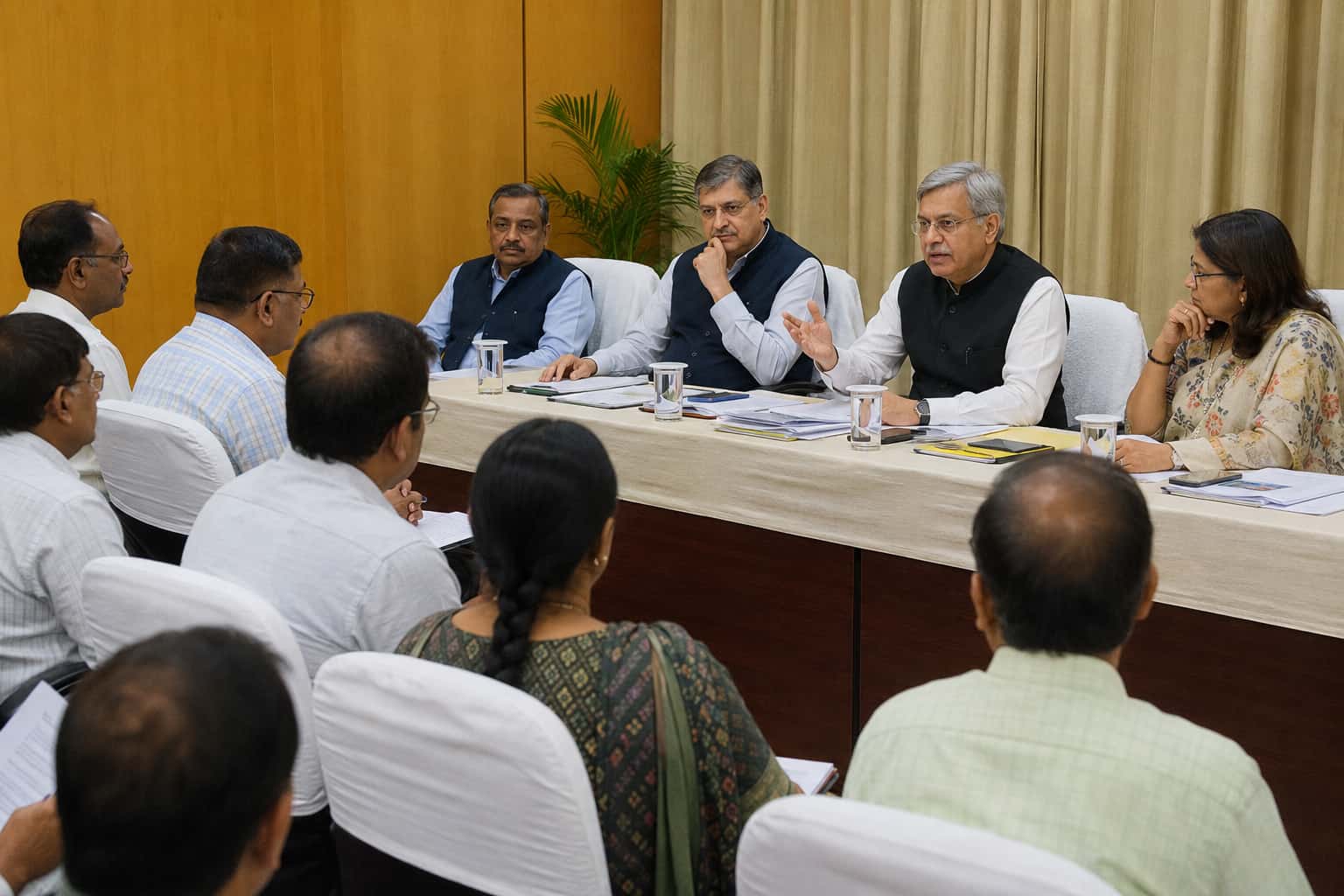
According to the notice dated 26 May 2026, the 8th Central Pay Commission will be visiting Bhubaneswar, Odisha on 6th to 7th July 2026. The notice says that concerned stakeholders, including organisations and institutions of the Central Government as well as associations and unions, who want to interact with the Commission at Bhubaneswar may submit a request seeking appointment. But the key point is that this request has to be made on or before 15 June 2026, and it must be submitted along with the unique Memo ID generated after filing the memorandum.
This is where the notice becomes more important than it first appears.
Many readers may see it as a simple meeting schedule. It is not. It is actually a reminder that the consultation stage of the 8th Pay Commission is active, procedural and deadline-driven. A person or association may have genuine issues, strong arguments and long-standing demands, but if the formal process is not completed in time, that concern may never properly enter the Commission’s working channel.
The notice also repeats another crucial point. It says that for submitting the memorandum, the Commission’s website may be referred to, and that the last date of submission is 31 May 2026. This means there are really two deadlines hidden inside the same notice. One is for filing the memorandum itself. The second is for seeking appointment for the Bhubaneswar interaction. And between those two steps stands the most important requirement of all: the Memo ID.
That Memo ID is not a technical side detail.
It is proof that the representation has actually entered the official system.
This is why employees, pensioners, unions and staff bodies should read the notice carefully. In many cases, people keep discussing 8th CPC issues in WhatsApp groups, association meetings, office conversations and social media threads. That may create awareness, but it does not automatically place the issue before the Commission in the official way. The notice makes it clear that the process depends on proper submission and proper identification through the generated Memo ID.
For stakeholders in Odisha and nearby regions, this becomes especially important.
A physical or in-person interaction opportunity with the Commission is not an everyday event. If the Commission is coming to Bhubaneswar, then local and regional bodies have a practical chance to present issues that may otherwise remain buried in general national debate. That could include service-specific concerns, pension grievances, cadre-related issues, pay anomalies, allowances, retirement-linked demands, medical support issues or field-level administrative problems.
This is also why the notice should not be seen only from the Odisha angle.
Yes, the meeting is in Bhubaneswar. But the larger message is national. The notice clearly says the Commission will hold separate meetings in other states and Union Territories in due course. That means the Commission’s outreach is expanding, and more regional consultation windows are likely to open. So this Bhubaneswar visit is also a signal that the 8th CPC is moving beyond paper collection and is entering a more active consultation phase on the ground.
For ordinary readers, the most relatable way to understand this is simple.

That is why deadlines matter more than rumours.
The notice does not talk about fitment factor. It does not promise salary revision. It does not announce pension increase. Yet it may still be more important than many viral 8th CPC claims floating online. Why? Because this notice is about participation, and participation is what gives real substance to the consultation stage.
The human side of this story is equally important.
For lakhs of employees and pensioners, the 8th Pay Commission is not a policy hobby. It is linked to household survival, retirement dignity, children’s education, medicines, transport costs, rent, family pension security and the pressure of rising monthly expenses. If that is the scale of impact, then every official opportunity to place concerns before the Commission matters. A missed deadline here is not just an administrative miss. It could mean a missed chance to make a real issue visible.
The biggest takeaway from the Bhubaneswar notice is therefore very clear.
This is not a symbolic tour update. It is an actionable notice. Those who want to interact with the Commission must first ensure their memorandum is submitted by 31 May 2026, then secure the unique Memo ID, and then send their appointment request for Bhubaneswar by 15 June 2026. Without following the process, expectation alone will not help.
In the end, that is why this notice matters more than it seems.
It quietly tells employees, associations and unions that the 8th Pay Commission process is open, but only for those who act correctly and on time. For Bhubaneswar, Odisha and all those watching the next phase of 8th CPC consultations, this is not just another notice. It is a reminder that being heard in the Pay Commission process begins with meeting the official rules first.



Leave a Reply