

Some stories should not be written in a hurry.
They need silence before words.
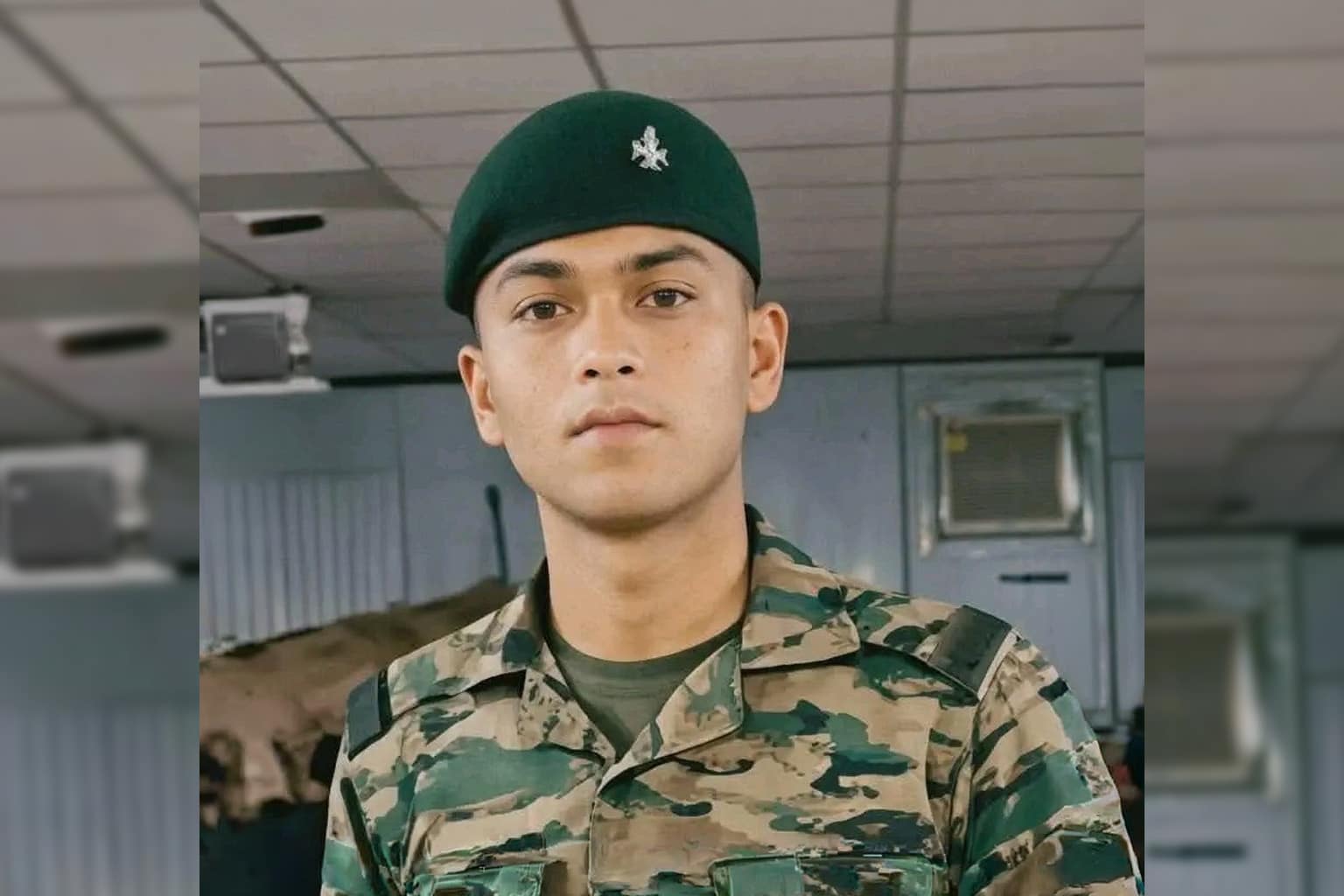
The reported death of Agniveer Rohit Singh Rawat, a young soldier from Tehri Garhwal in Uttarakhand, is one such story. It is not just a headline from Jammu & Kashmir. It is a reminder that the life of a soldier begins very early for many Indian families, and sometimes the cost of that service is carried by a village, a home and a grieving motherland together.
As per media reports, Rohit Singh Rawat was 21 years old and belonged to Mendu Sindwalgaon in the Bhilangna area of Tehri Garhwal. Reports say he was serving with 20 Garhwal Rifles and lost his life while posted in the Jammu & Kashmir region.
His final farewell was held with military honours.
That one line carries more emotion than it appears to hold.
A young life in uniform
At 21, most young people are still building their future.
Some are in college.
Some are preparing for jobs.
Some are still trying to understand where life should take them.
Rohit Singh Rawat had already chosen the path of military service.
For a young man from Uttarakhand, joining the armed forces is often more than employment. It is connected with family honour, village pride and a long tradition of service.
In many homes across Garhwal and Kumaon, the uniform is not seen from a distance. It is part of family memory. Someone has served. Someone is serving. Someone is preparing to serve.
Rohit belonged to that emotional landscape.

Why Tehri’s grief feels personal?
When a soldier from a hill village returns for the last time, the grief is not limited to one family.
The entire area feels it.
Neighbours gather.
Villagers walk quietly.
Local people stand with folded hands.
Elders remember their own sons in uniform.
Children watch without fully understanding the weight of the moment.
This is why Rohit Rawat’s final journey became a collective moment for Tehri Garhwal. The farewell was not only for a soldier. It was also for a young son of the hills whose service had become part of the community’s pride.
Military honours and the meaning behind them
A military farewell is not a formality.
It is the Army’s way of saying that service will be remembered with dignity.
The presence of soldiers, the discipline of the ceremony and the respect shown during the final rites are all part of that recognition.
For the family, such moments are painful. But they also carry a certain strength.
The nation may not be able to reduce the loss, but it can show that the loss has not gone unnoticed.
In Rohit Singh Rawat’s case, media reports say the last rites were performed with full military honours. That detail matters because it shows how the final journey of a soldier is treated with institutional respect.
The Agniveer identity and public sensitivity
Rohit Singh Rawat was reported to be an Agniveer.
This detail will naturally attract public attention because the Agnipath scheme continues to be widely discussed.
But any discussion around an Agniveer’s death must be handled carefully.
A young soldier’s final farewell should not be reduced to argument alone.
Policy questions may exist. Welfare concerns may be raised. Families may need clarity. Public debate may continue.
But before all of that, there must be respect for the individual who served in uniform.
The first response should be dignity.
The second should be accuracy.
Only after that should any wider discussion happen.
What is known from media reports?
Based on the available media reports, the key details are:
Rohit Singh Rawat was from Tehri Garhwal, Uttarakhand.
He was reported to be 21 years old.
He belonged to Mendu Sindwalgaon in Bhilangna block.
He was reported to be serving with 20 Garhwal Rifles.
He lost his life while serving in the Jammu & Kashmir region.
His mortal remains were brought to his native area.
His last rites were performed with military honours.
These are the points that can be safely used with attribution to media reports.
Why exact circumstances should be written carefully?
In sensitive military death stories, one wrong word can create confusion.
At the time of writing, the available sources are media reports and video/social reports. A separate public PIB, Ministry of Defence or Indian Army release for this specific incident was not found in the source set available.
Therefore, the article should avoid making final claims about the exact operational circumstances unless an official source confirms them.
Do not write that it was a terror attack unless officially confirmed.
Do not write that it was enemy firing unless officially confirmed.
Do not write accidental, self-inflicted or any other cause as a final fact unless an official authority says so.
The safe wording is:
“as per media reports”
“reportedly lost his life while serving in Jammu & Kashmir”
“media reports state that he was posted with 20 Garhwal Rifles”
“last rites were performed with military honours”
Responsible writing is part of respect.

Why this story matters beyond one village?
Rohit Singh Rawat’s story matters because it shows how young India serves.
The soldiers standing today at posts, units and field locations are not always older men with long service behind them. Many are very young. They carry hopes, family dreams and national responsibility together.
For parents, sending a son into uniform is never a small decision.
There is pride, but there is also waiting.
There is honour, but there is also worry.
There is respect from society, but there is also a personal cost that only the family understands.
This is why the story of one Agniveer from Tehri reaches beyond Tehri.
It speaks to every defence family that knows the silence of service.
Uttarakhand and the soldier’s tradition
Uttarakhand has given a large number of soldiers to the Indian Armed Forces.
In many villages, the Army is part of local identity. Young boys grow up seeing uniforms, medals, photographs and stories of service inside their own homes.
For such regions, the death of a soldier is not viewed as a distant national update.
It becomes a local wound.
It becomes a memory attached to a village name.
It becomes a story told to the next generation.
Rohit Rawat’s name now belongs to that tradition of remembrance.
What defence aspirants should understand?
For young aspirants, Rohit’s story carries a difficult but important message.
The uniform brings respect, but it also brings responsibility.
Military life is not only about selection, training or photographs in uniform. It is about duty, discipline, distance from home and readiness to serve wherever the nation requires.
Aspirants should prepare not only for the recruitment process, but also for the seriousness of the life that follows.
The Army gives identity.
It also demands commitment.
What readers should avoid?
Readers should avoid turning this story into rumour.
Do not share unverified cause of death.
Do not attach political claims without source.
Do not circulate compensation figures without confirmation.
Do not use the family’s grief for social media arguments.
Do not write anything that reduces the dignity of the soldier or the privacy of the family.
A fallen soldier’s story should not become a platform for careless speculation.
What should be remembered?
Rohit Singh Rawat should be remembered first as a young soldier.
He came from the hills of Tehri.
He wore the uniform.
He served away from home.
He returned to his people with honour.
For the village, he will remain a son.
For his family, he will remain irreplaceable.
For the defence community, his story is a reminder that service begins young and sacrifice can come without warning.
Comment
There are moments when journalism should lower its voice.
This is one of them.
The story of Agniveer Rohit Singh Rawat should be told with restraint, not noise. It should carry facts, not speculation. It should honour a young soldier without turning grief into a headline contest.
The hills of Uttarakhand have seen many sons leave for service. Each time, a family learns to live with distance. Each time, a village carries pride. And when a soldier does not return alive, that pride becomes mixed with pain.
Rohit Rawat’s name deserves to be written with that understanding.
Final takeaway
Agniveer Rohit Singh Rawat’s reported death while serving in Jammu & Kashmir has brought grief to Tehri Garhwal and to the wider defence community.
Media reports say the 21-year-old soldier from Mendu Sindwalgaon was serving with 20 Garhwal Rifles and was given a final farewell with military honours.
This story should be understood with dignity and caution.
It is not a space for rumour.
It is not a space for unverified claims.
It is a moment to remember a young soldier, stand with his family in respect and recognise the quiet cost carried by defence families across the country.
Rohit Rawat’s life reminds us that the uniform is worn by the young, but its meaning is carried by entire families.
Source note
This article is based on media reports. At the time of writing, a separate public PIB, Ministry of Defence or Indian Army press release for this specific incident was not found in the available source set. Therefore, the details have been attributed to media reports and written with caution.
Sources:-
NDTV India report:
https://ndtv.in/uttarakhand-news/uttarakhand-tehri-agniveer-jawan-rohit-singh-rawat-martyred-11632017
Dainik Jagran report:
https://www.jagran.com/uttarakhand/tehri-garhwal-agniveer-rohit-singh-martyred-in-jammu-joined-indian-army-one-year-ago-40270314.html
Times Now video/social report:
https://www.facebook.com/Timesnow/videos/tehri-garhwal-bid-a-tearful-farewell-to-agniveer-rohit-rawat-21-who-laid-down-hi/1040317778508446/


Leave a Reply