

For many defence aspirants, SSB is the biggest mystery after clearing the written exam. A candidate may prepare for NDA, CDS, AFCAT, TES, TGC or SSC Tech with full dedication, but the real question begins after the call letter arrives: what exactly does the board want to see in five days?
In this detailed conversation with Lt Cdr Nikhil Kumar Chandrakala, the focus is not on shortcuts, tricks or memorised answers. The real message is simple: SSB is not a coaching performance. It is a selection system designed to judge whether a candidate has the potential to become an officer.
That one line changes everything.
Many candidates enter SSB thinking they must impress the board with fancy English, technical words, memorised psychology stories or over-smart group behaviour. But the board is not looking for acting. It is looking for natural behaviour under different situations. It wants to see how you think, how you take responsibility, how you work with others, how you react under pressure and whether you can be trained for military leadership.
This is where OLQs, or Officer Like Qualities, become important. OLQs are not just definitions in a notebook. They are visible in action. A candidate may write “leadership” in a form, but the board observes whether he actually helps the group move forward. A candidate may speak about “courage”, but the board observes whether he gives up when the task becomes difficult. A candidate may claim “teamwork”, but the board sees whether he listens, cooperates and respects others.
The first major quality discussed in the episode is curiosity. In SSB, curiosity does not mean knowing every fact in the world. It means having an inquiring attitude. A good candidate wants to understand issues, asks why, forms opinions and thinks beyond surface-level information. Current affairs are useful not because the board wants a newspaper robot, but because current affairs help you build reasoning.
For example, if there is a national security issue, a good candidate should know the basic facts, but also understand the larger impact. What is the problem? Who is affected? What are possible solutions? What is your balanced view? This is the kind of thinking that helps in group discussion, lecturette, interview and personality assessment.
The second quality is responsibility. SSB observes responsibility in small moments. Did you take charge when the group was confused? Did you help a weaker candidate understand the task? Did you follow instructions? Did you accept your mistake? Did you remain dependable when the pressure increased? Responsibility is not shown only by big speeches. It is shown by consistent conduct.
The third major quality is the “never give up” attitude. In GTO tasks, a candidate may face obstacles, confusion, group disagreement or failure. The board watches whether the candidate keeps trying with a calm mind. Giving up mentally is more damaging than failing physically. A candidate who remains active, positive and solution-oriented even after a failed attempt shows useful officer potential.

Liveliness is another important quality that many candidates misunderstand. It does not mean joking all the time or being loud. Liveliness means positive energy, mental alertness and the ability to keep the group motivated. In military life, pressure is natural. A dull, negative or easily frustrated personality can affect the entire team. A lively candidate brings confidence without dominating others.
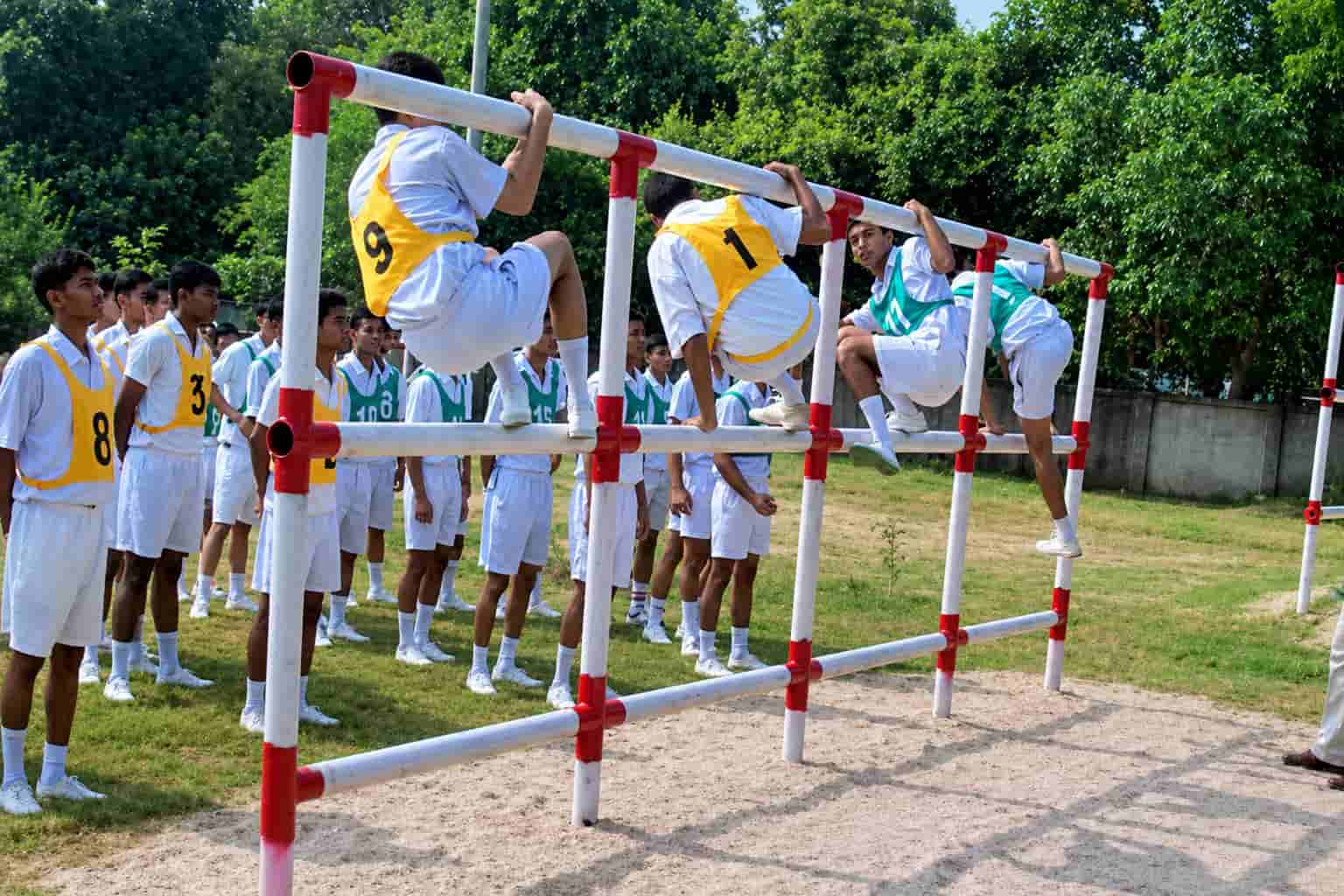
The conversation also explains why many coaching-style mistakes hurt candidates. Some aspirants become obsessed with rope, stick, plank, cantilever and obstacle tricks. They learn mechanical solutions but forget the real purpose of the task. The board is not selecting an obstacle engineer. It is observing planning, teamwork, initiative, communication, courage and adaptability.
This is why fake smartness does not work for long. A candidate may copy phrases, rehearse answers or act confident for some time, but five days of observation reveal patterns. Your behaviour in group tasks, psychology tests, interview, narration, discussion and informal moments must match. If your words and behaviour do not match, the board notices.
Communication is another big point. Many candidates fear English. The episode gives a practical message: simple English is enough if your thinking is clear. The board does not need decorative language. It needs clear expression. Can you explain your point? Can you listen? Can you respond logically? Can you speak without panic? These matter more than heavy vocabulary.
A good daily practice is simple. Pick one current issue. Read basic facts. Write five points. Speak on it for two minutes in simple English. Then ask yourself: is my opinion balanced? Can I explain both sides? Can I give a practical conclusion? This habit improves not only English but also thought structure.
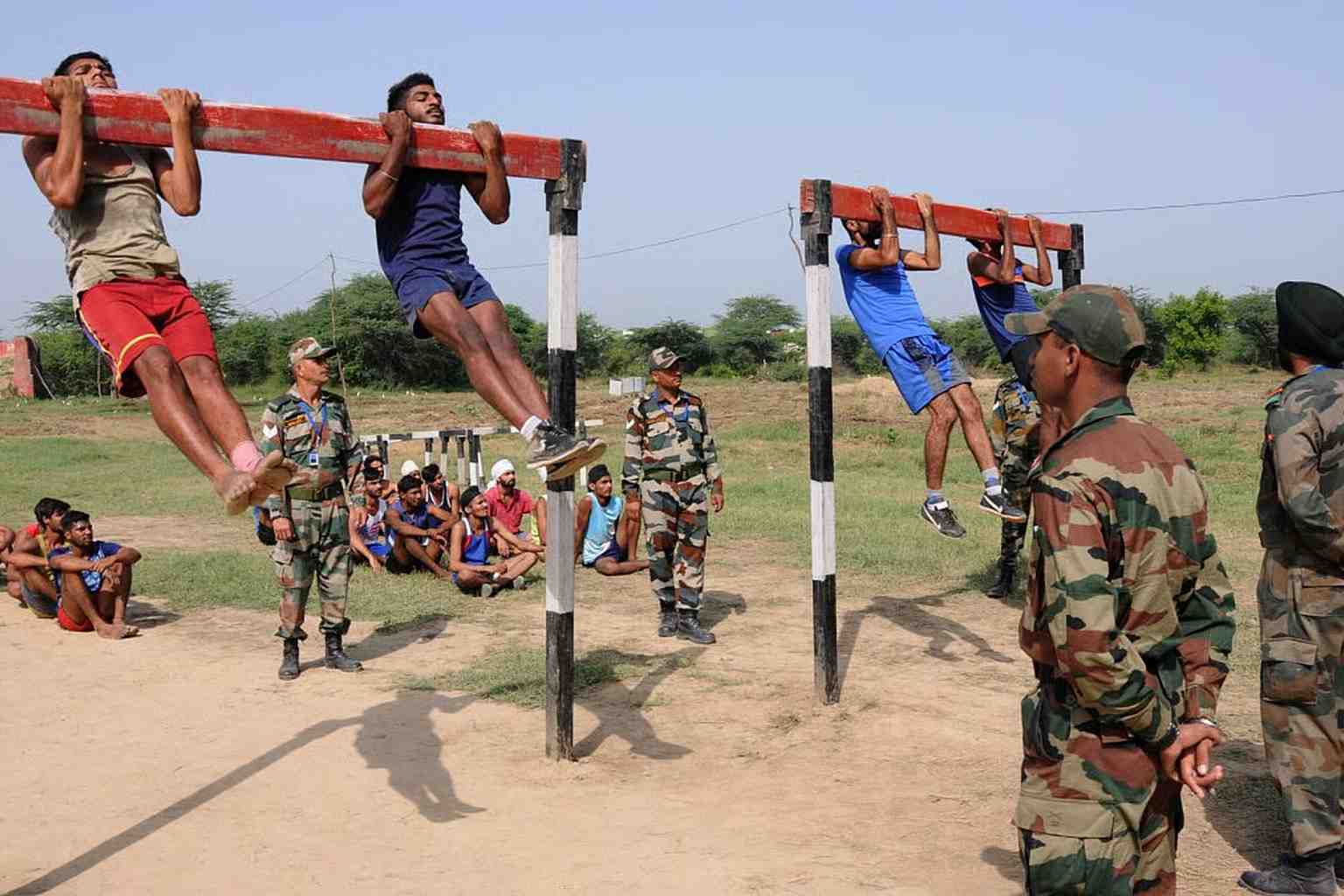
Fitness is non-negotiable. SSB is not only about written answers and personality tests. A future officer must show physical readiness, stamina and discipline. Running, basic strength, flexibility and team sports all help. Team sports are especially useful because they teach coordination, timing, role clarity and acceptance of group goals.
The episode also makes a very important point: the board may not see a candidate as a “wrong person”. Sometimes the candidate is simply below the minimum required level at that stage. This should not destroy confidence. It means the candidate must improve, mature and come back stronger. SSB rejection is not the end of life. It is feedback that your current personality, preparation or performance did not meet the required standard.
Lt Cdr Nikhil’s own journey also adds value to the conversation. His experiences in the Navy, life at sea and real decision-making situations show that officer qualities are not theoretical. On a warship, discipline, patience, alertness and calm decision-making can decide outcomes. The “man overboard” type of situation shows why officers must think clearly under pressure. In real service, panic is costly. Calm action matters.
For aspirants, the practical preparation plan should be balanced. Spend time on current affairs, speaking, fitness, story practice and self-reflection every day. Do not prepare only for PPDT or command task. Prepare your full personality. Ask yourself daily: where did I take responsibility today? Did I help someone? Did I improve my fitness? Did I form a logical opinion? Did I handle pressure better than yesterday?
Parents and mentors should also understand this. SSB is not a drama stage where a child can be trained to behave like someone else. The best support is to help the candidate become confident, disciplined, aware and emotionally stable. Encourage reading, sports, responsibility at home, social interaction and honest self-improvement.
The biggest takeaway from this episode is clear: SSB is not looking for perfection. It is looking for potential. A recommended candidate is not someone who knows every answer. He or she is someone who shows trainability, balanced judgment, teamwork, courage, responsibility and officer-like conduct.
So if you are preparing for SSB, stop chasing shortcuts. Build habits. Read daily. Speak daily. Run daily. Think daily. Take responsibility daily. Help your group. Stay cheerful under pressure. Accept correction. Improve your basics.
In the end, OLQs are not developed in one coaching class. They are built through everyday choices. The candidate who lives with discipline, curiosity, responsibility and courage will not need to act in SSB. His behaviour will speak for him.

Leave a Reply