

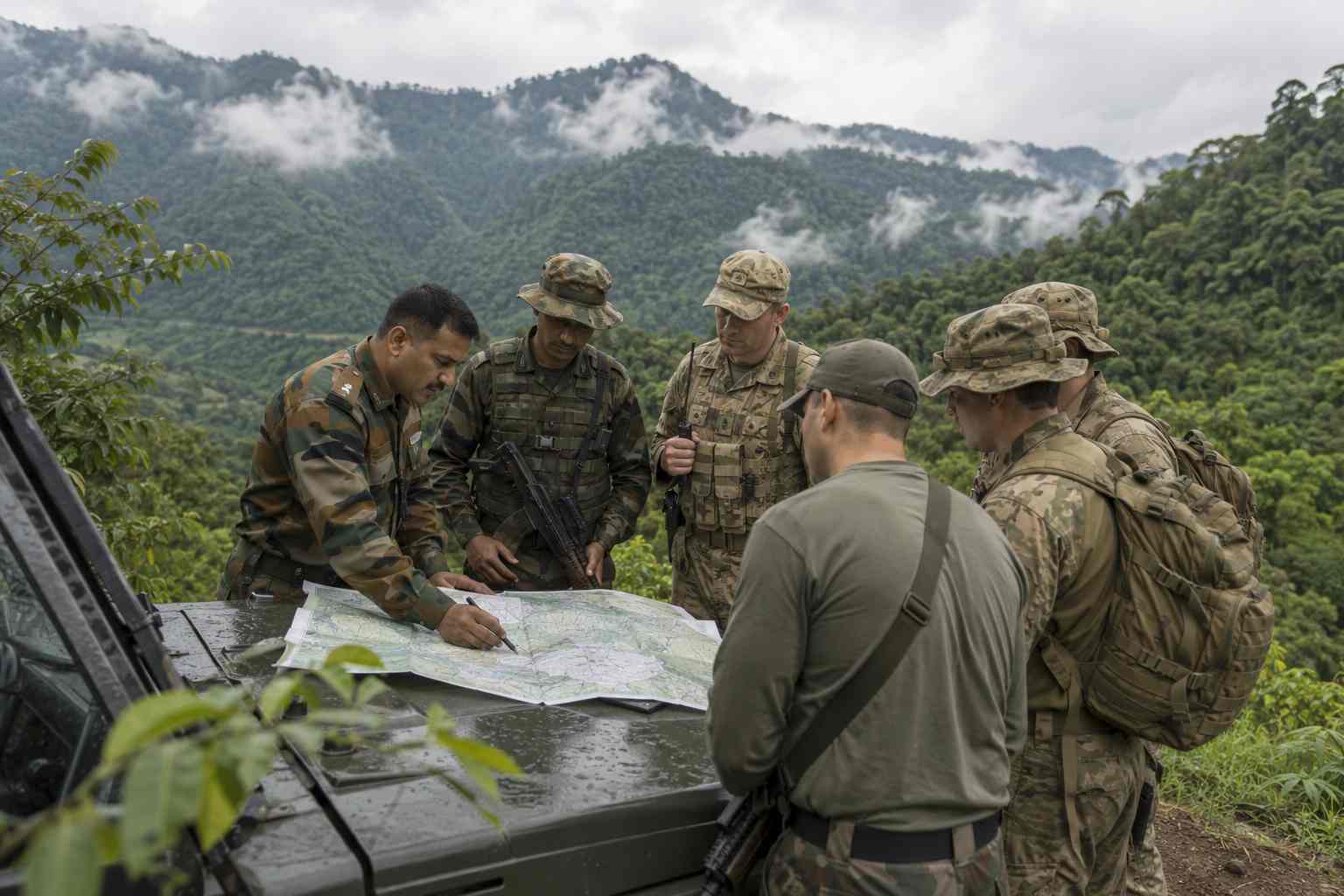
The Indian Army is preparing to host a major multilateral military exercise that goes beyond routine training. Exercise PRAGATI, scheduled from 18 to 31 May 2026 at the Foreign Training Node in Umroi, Meghalaya, will bring together military delegations from 11 friendly foreign countries. For India, this is not only a defence exercise. It is a strategic message from the Northeast to the wider Indian Ocean Region and Southeast Asia.

The name PRAGATI itself carries meaning. The Tribune reported that PRAGATI stands for Partnership of Regional Armies for Growth and Transformation in the Indian Ocean Region. The Indian Army has described it as a symbol of shared commitment to collective security, regional stability and collaborative growth.
This matters because modern military cooperation is no longer limited to one-to-one exercises. India already conducts many bilateral exercises with friendly countries, but Exercise PRAGATI represents a wider consortium-style engagement. Instead of training with only one foreign army, the Indian Army will bring multiple partners into one platform where they can share tactics, experiences and operational lessons.
According to reports, the participating delegations include troops or military representatives from countries such as Laos, Myanmar, Seychelles, Sri Lanka, Philippines, Nepal, Maldives, Malaysia, Vietnam, Cambodia and Bhutan. These names show the clear regional logic behind the exercise: immediate neighbourhood, Southeast Asia and Indian Ocean Region partners are being brought together in India’s Northeast.
The location is important. Umroi in Meghalaya is not just a training venue. It sits in India’s Northeast, a region that connects India’s national security thinking with its Act East policy. Hosting such an exercise in Meghalaya underlines the strategic importance of the Northeast as a bridge between India and Southeast Asia. Drishti IAS also described the exercise as part of India’s effort to deepen strategic engagement under the Act East Policy.
The training focus is also relevant. Reports say Exercise PRAGATI will focus on counter-insurgency and counter-terrorism operations. These are areas where many regional armies have direct experience. In today’s security environment, threats are not always conventional. Armed groups, hostile networks, difficult terrain, border zones, misinformation and hybrid tactics can all create complex security challenges. A shared training platform helps armies understand how others handle such situations.
Interoperability is another key word. In simple language, interoperability means the ability of different armies to work together when needed. This includes communication procedures, tactical understanding, planning habits, equipment handling, command coordination and field-level trust. During a real crisis, disaster, humanitarian operation or security challenge, countries that have trained together can coordinate faster.
Exercise PRAGATI can also help in Humanitarian Assistance and Disaster Relief, commonly called HADR. Drishti IAS noted that one of the focus areas is improving coordination for humanitarian and disaster relief operations. This is important because the Indian Ocean Region and Southeast Asia often face natural disasters, including cyclones, floods, earthquakes and landslides. Military forces are frequently called in during such emergencies.
The exercise also has a defence industry angle. The Tribune reported that apart from military drills and wargames, a two-day industry exposition will be a key component of the event. This exposition is expected to showcase Indian Army capabilities and create industrial partnership opportunities with ASEAN nations.

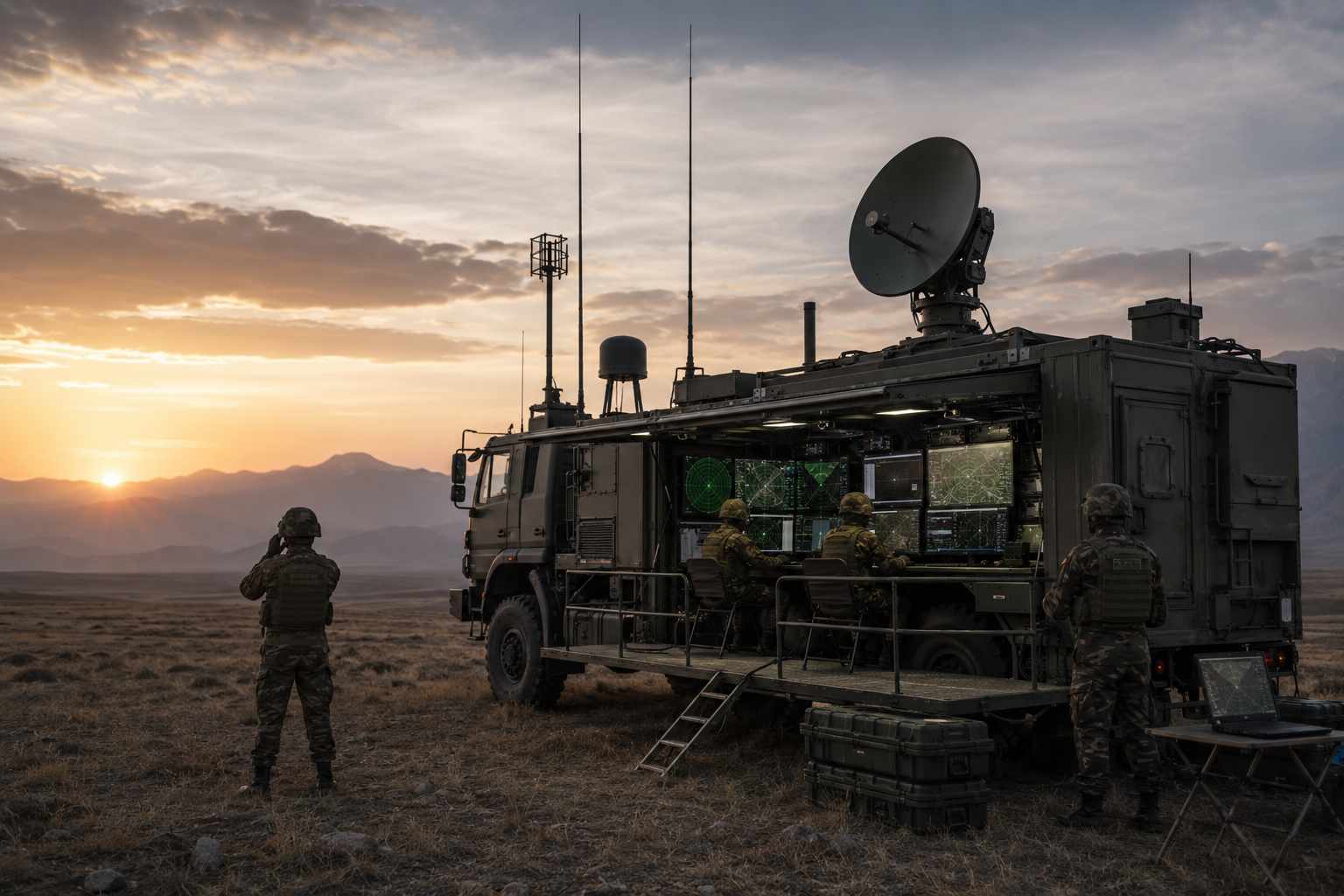
This is where the exercise becomes even more important for India’s defence ecosystem. Foreign military delegations do not only watch drills. They also observe equipment, mobility platforms, surveillance tools, communication systems, unmanned systems, protective gear and other military solutions. When Indian-made systems are demonstrated in a real training environment, it supports India’s goal of defence exports and Atmanirbhar Bharat in defence manufacturing.
The Tribune reported that domains likely to be showcased include unmanned aerial systems, countermeasures, autonomous surveillance and intelligence gathering systems, robotics, unmanned ground vehicles, robotic mules, AI-based capability enhancement, precision ammunition, electronic and laser warfare, cyber defence, secure communication and satellite systems.
This gives Exercise PRAGATI a dual purpose. On one side, soldiers train together. On the other side, India demonstrates that its defence industry can support modern battlefield needs. In future warfare, unmanned systems, AI tools, cyber defence, electronic warfare and secure communication will become as important as traditional weapons.
For the Indian Army, such exercises also improve diplomatic reach. Military diplomacy is a quiet but powerful tool. When officers and soldiers from different countries train together, they build familiarity and trust. That trust can later help in joint operations, regional consultations, humanitarian missions and security coordination.
This is especially important in the Indian Ocean Region. India’s maritime and continental security interests are closely linked with friendly countries in the neighbourhood and Southeast Asia. Regional stability cannot be built only through speeches or agreements. It also needs practical cooperation between forces.
Exercise PRAGATI also sends a message about India’s role as a security partner. India is not only strengthening its own armed forces, but also creating platforms where regional armies can learn together. This supports India’s image as a responsible power that contributes to collective security rather than only focusing on its own borders.
For soldiers, such exercises are valuable because they expose them to different military cultures and methods. A soldier learns how another army plans patrols, handles terrain, conducts communication, deals with insurgency threats or manages tactical movement. These lessons may look small, but they improve professional understanding.
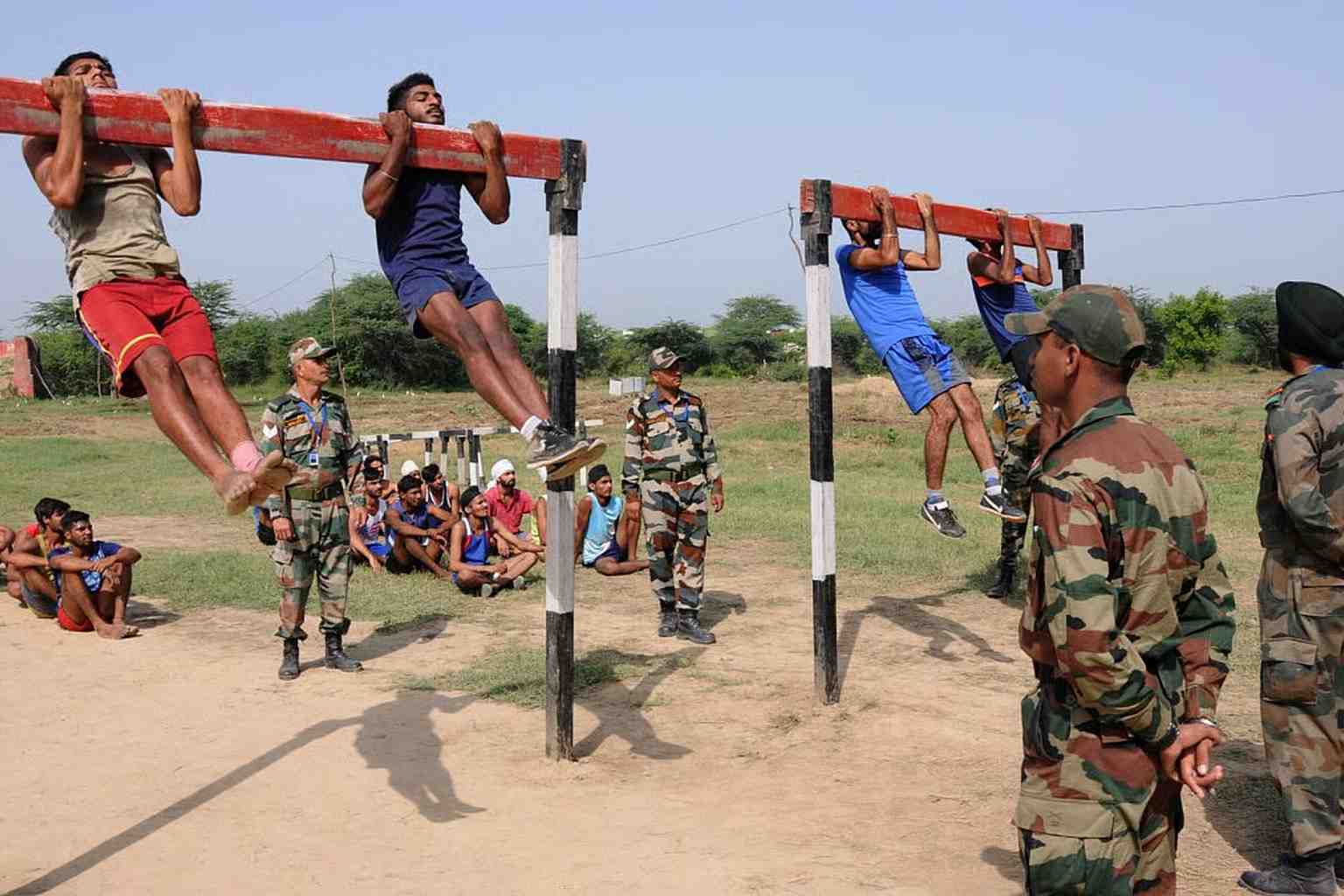
For young defence aspirants, this exercise also shows how the role of the Indian Army is expanding. Today’s Army is not only about guarding borders. It is also about regional cooperation, technology, joint training, disaster response, defence diplomacy and international military engagement.
The Indian Army’s decision to host Exercise PRAGATI with 11 countries at Umroi should therefore be seen as a strategic step. It strengthens training, builds trust, showcases Indian defence capability and highlights the Northeast as a key region in India’s Act East and Indian Ocean outreach.
In the end, Exercise PRAGATI is not just another military drill. It is a signal that India wants to build stronger regional partnerships through practical military cooperation. In a changing security environment, countries that train together, understand each other and trust each other are better prepared for future challenges.
For India, this exercise brings together three priorities in one place: Army professionalism, regional stability and indigenous defence capability. That is why Exercise PRAGATI matters. It reflects an Indian Army that is not only preparing for battlefields, but also helping shape partnerships for a more secure region.

Leave a Reply