

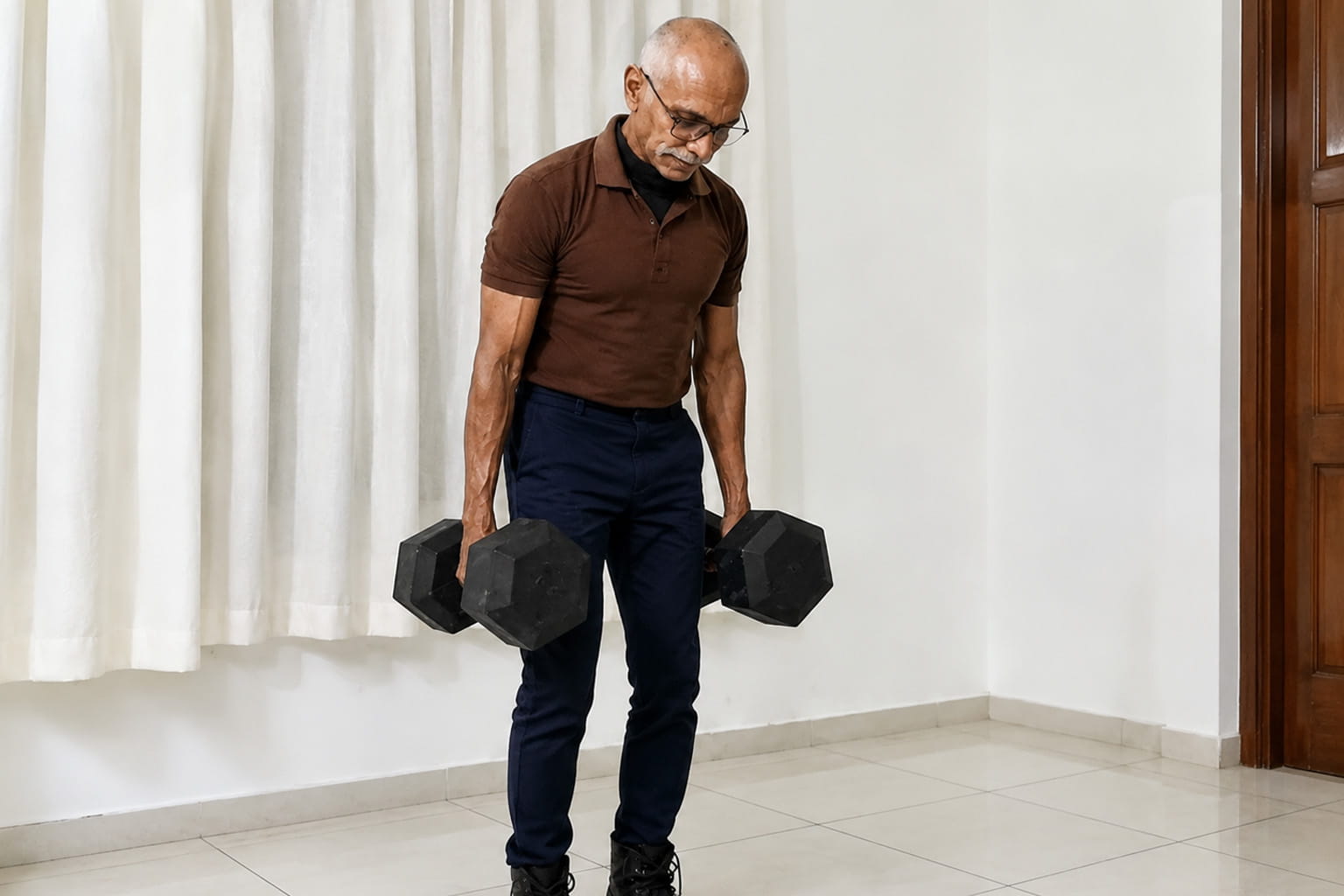
Age is often used as an excuse. Some people say they are too busy to exercise. Some say fitness is only for the young. Some believe that once career, family and responsibilities take over, health naturally becomes secondary. But the journey of Colonel RDS Chauhan challenges all these excuses
A retired Indian Army officer, martial artist and fitness inspiration, Colonel RDS Chauhan’s story shows that fitness is not about age. It is about discipline, consistency and mindset. From being a weak 16-year-old who weighed only around 31 kg and often struggled with health issues, he went on to build a life around strength, martial arts, military service and self-discipline. Later, even around the age of 57, he proved that commitment can still defeat age by winning a karate gold medal.
This is not just a story about one medal. It is a story about how daily habits shape a person’s body, confidence and purpose.
Colonel Chauhan’s early journey is important because it shows that strong people are not always born strong. Many are built through struggle. At 16, when he was underweight and physically weak, karate became more than a sport for him. It became a way to build confidence, health and self-belief. Martial arts gave him structure. It taught him balance, timing, awareness and control. More importantly, it gave him the feeling that weakness is not permanent.
This is a powerful lesson for today’s youth. Many young people compare themselves with others and give up early. But transformation does not happen in one day. It begins when a person decides to take responsibility for his own body and mind. Colonel Chauhan’s story proves that fitness is not about showing off. It is about rebuilding yourself.
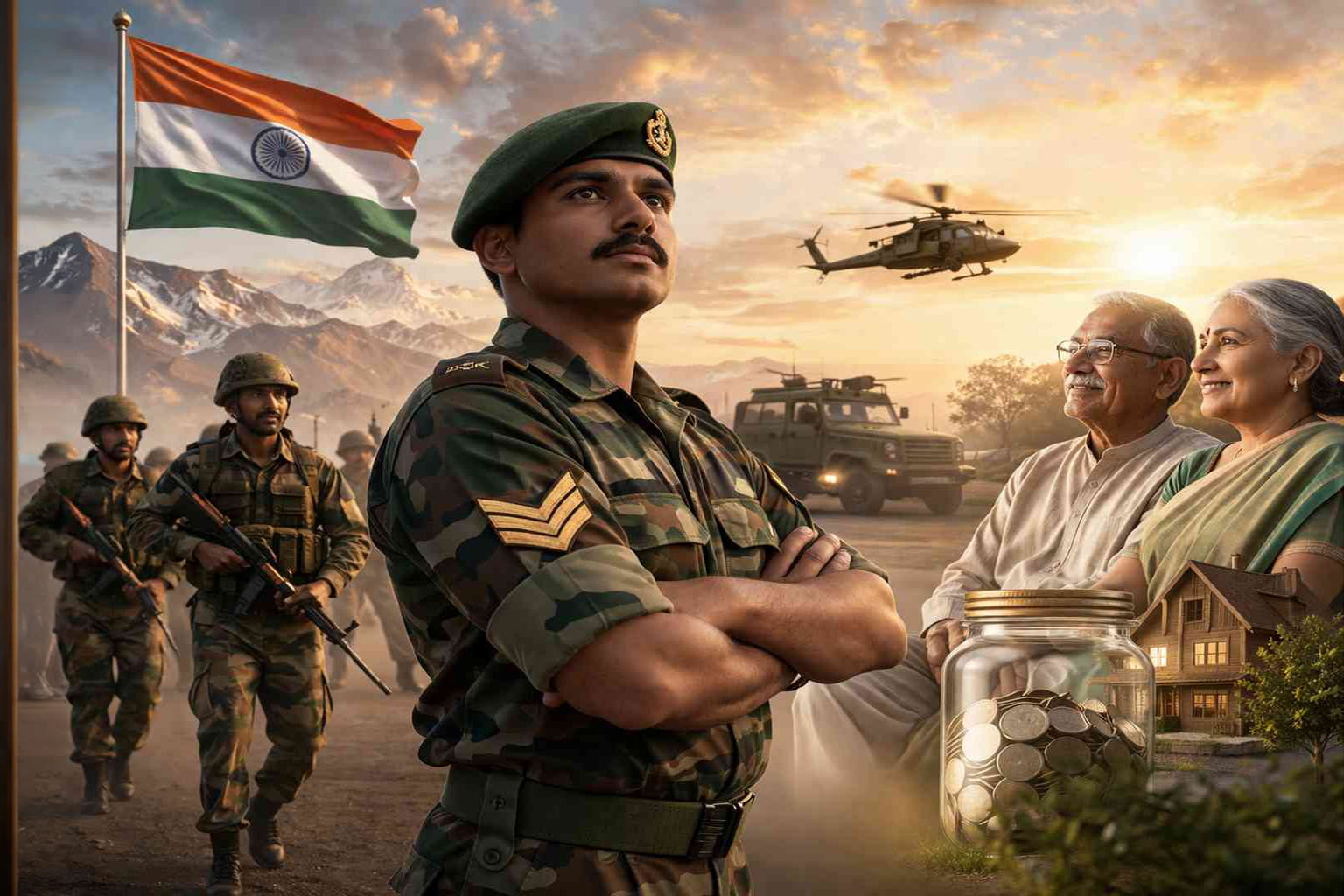
His Army journey added another layer to this discipline. Military life teaches routine, responsibility and leadership by example. A soldier cannot survive on excuses. Whether the duty is easy or difficult, the body must be ready and the mind must remain alert. This is why fitness in the armed forces is not a hobby. It is part of duty.
One of the most practical points from his fitness approach is the idea of micro-workouts. Many people say they do not have one full hour for exercise. Colonel Chauhan’s answer to this excuse is simple: use small pockets of time. He reportedly followed a routine of doing pushups during office breaks, quick squats using a chair and short stair-walks during tea breaks. These small efforts, repeated daily, can create a big result over time.
This is where his method becomes useful for ordinary people. You do not always need a gym membership to begin. You do not always need expensive equipment. You do not need to wait for the perfect time. A few pushups, squats, stretches, stair climbs and isometric holds can become the starting point. The real challenge is not lack of time. The real challenge is lack of consistency.
His claim of doing 500 to 600 pushups a day may sound impossible for many people, but the lesson is not that everyone should copy the same number. The lesson is that small repetitions across the day can add up. A beginner should start safely and gradually. Someone with medical issues, joint pain, heart problems or age-related conditions should take medical advice before starting intense routines. Fitness should build the body, not damage it.

Another important concept he explains is isometric training. This type of exercise builds strength without major movement. For example, wall sits, plank holds, static push positions or controlled resistance holds can help improve strength when done properly. For busy people, older adults and those without equipment, isometric exercises can be practical. But again, form and safety matter.
Self-defence is another major part of Colonel Chauhan’s message. In real life, self-defence is not about fighting unnecessarily. It is about confidence, awareness and control. Martial arts train a person to read a situation, stay calm and avoid panic. Often, a trained person does not need to use force because confidence itself changes the situation. This is useful not only for soldiers, but also for students, women, professionals and senior citizens.
His message on diet is equally important. In today’s gym culture, many young people chase fast results. Some take steroids, unsafe powders or unknown supplements without understanding the risk. Colonel Chauhan’s warning against steroids and unverified products is timely. Fitness built through shortcuts can damage health. Real strength comes from disciplined food, proper recovery, hydration, sleep and clean training.
He also talks about protein, carbohydrates, fats, vitamins, minerals and electrolytes. This balanced view is important because many people think fitness means only protein. The body needs complete nutrition. Protein helps repair muscles, but carbohydrates provide energy, fats support hormones, vitamins and minerals support body functions, and electrolytes matter for performance and recovery. Simple Indian meals can also be improved with better planning.
His views on fasting and gut health should be understood as personal experience, not a universal rule. Fasting may work for some people, but not for everyone. Age, medical condition, diabetes, medication and lifestyle must be considered. The larger lesson is that everyone should understand their own body and build a routine that is sustainable.
The most powerful line from this entire fitness philosophy is this: long life without fitness can become a burden on the family. This is a serious thought. Many people work hard for family, but ignore the one thing that the family needs most: their health. After a certain age, fitness is not vanity. It is responsibility. A fit parent, veteran or senior citizen remains more independent, confident and useful to society.
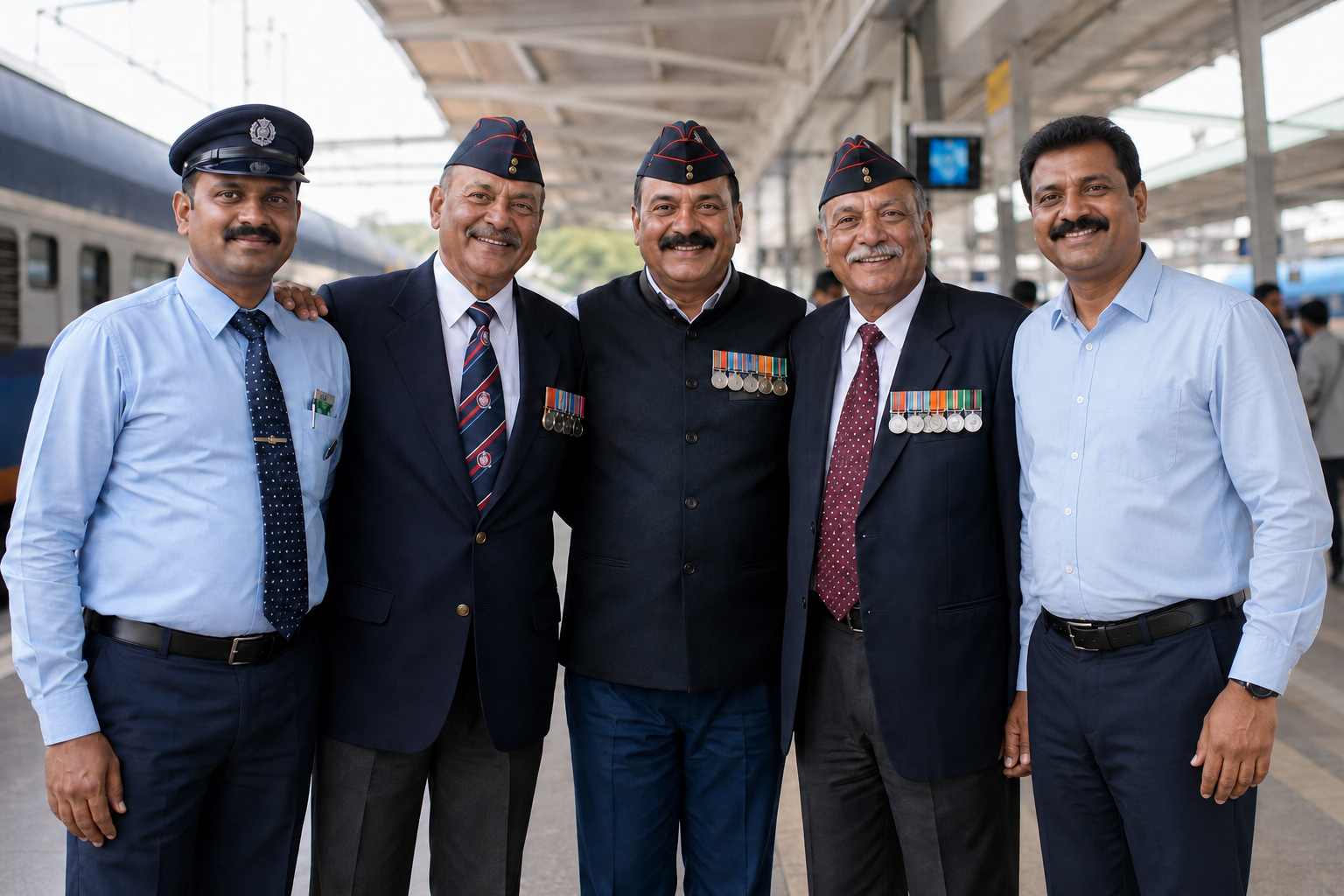
Colonel Chauhan’s post-retirement journey also carries a strong message for veterans. Retirement from the Army does not mean retirement from purpose. Many veterans have discipline, leadership, endurance and life experience that can inspire society. Social media, public speaking, training, mentoring and community work can become meaningful ways to serve after uniform.
For the youth, his message is direct: stop waiting for motivation. Build routine. Learn a skill. Respect your body. Stay away from harmful shortcuts. Choose strong role models. Fitness is not only about abs, muscles or videos. It is about confidence, self-control and the ability to face life with energy.
For soldiers and veterans, his life is a reminder that the Army mindset can continue beyond service. Discipline learned in uniform can shape health, family life and social contribution after retirement.
In the end, Colonel RDS Chauhan’s story is not about age 57. It is about the power of starting, continuing and refusing to accept decline as destiny. From a 31 kg teenager to a martial artist, from Army service to post-retirement inspiration, his journey proves that fitness is possible when discipline becomes a lifestyle.
The message is simple: do not wait for free time. Do not wait for perfect conditions. Do not wait for old age to remind you about health. Start small, stay consistent, eat clean, train safely and build a body that supports your duty, your family and your purpose.



Leave a Reply