

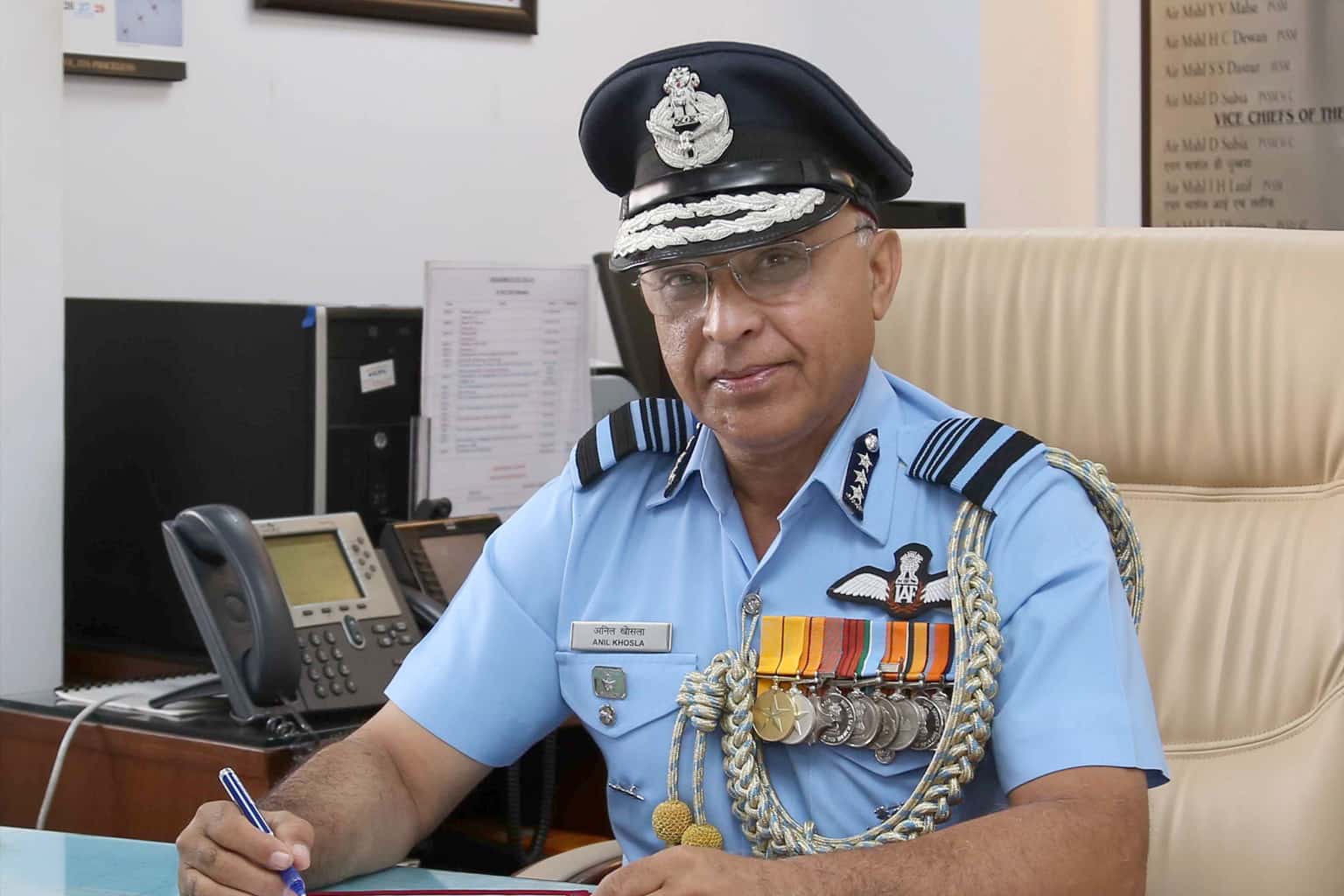
Modern warfare अब केवल fighter aircraft, missiles या borders की कहानी नहीं है. यह speed, precision, technology, deterrence, jointness और national will की कहानी है. Indian Air Force की बदलती भूमिका को समझने के लिए Air Marshal Anil Khosla की journey एक बहुत मजबूत example है — एक fighter pilot से लेकर former Vice Chief of Air Staff तक का सफर, जहां cockpit की split-second decision-making धीरे-धीरे national security level की strategic thinking में बदलती है.
उनकी बातों में केवल एक senior air warrior की memories नहीं हैं. इसमें leadership, air power, China challenge, Doklam, Balakot, Indian Ocean Region, future warfare, theatre commands और youth guidance की एक practical military understanding दिखाई देती है.
Hard work का कोई shortcut नहीं होता
Air Marshal Anil Khosla की journey की सबसे पहली सीख बहुत simple है, लेकिन military life में यह सबसे कठिन discipline भी है — hard work का कोई shortcut नहीं होता.
उन्होंने अपने career से यह समझाया कि किसी भी field में excellence तभी आती है जब व्यक्ति अपने काम को केवल duty की तरह नहीं, बल्कि passion की तरह ले. उनका approach साफ है: जिस काम को कर रहे हैं, उसमें अपना 100 percent नहीं, उससे भी थोड़ा ज्यादा देने की आदत बनाइए.
यह बात Armed Forces के young aspirants के लिए खास है. Uniform केवल selection का result नहीं है; uniform को जीवन भर justify करना पड़ता है. Training, flying, command, planning और leadership — हर stage पर वही व्यक्ति आगे बढ़ता है जो average effort से थोड़ा आगे जाने को तैयार होता है.
Fighter cockpit ने crisis management की असली formula सिखाई
एक fighter pilot का cockpit दुनिया की सबसे demanding working spaces में से एक है. वहां decision लेने के लिए लंबी meeting नहीं होती. कई बार कुछ seconds में aircraft, mission और life की safety से जुड़ा फैसला लेना होता है.
Air Marshal Khosla ने cockpit decision-making और senior command decision-making के बीच एक important difference समझाया. Cockpit में decision immediate होता है, impact pilot या formation पर पड़ता है. लेकिन senior leadership में decision calculated होना चाहिए, क्योंकि उसका असर long term में बहुत सारे लोगों और पूरे organisation पर पड़ता है.
उनकी crisis management formula बहुत practical है:
पहले immediate action, फिर subsequent action, और अंत में long-term preventive action.
इसका मतलब है — पहले स्थिति को control करो, फिर problem को contain करो, और बाद में ऐसी व्यवस्था बनाओ कि वही crisis दोबारा न हो. यह formula केवल Air Force के लिए नहीं, बल्कि life, administration, business और leadership के हर field में काम आ सकता है.
Air Force सिर्फ land border तक सीमित नहीं है
आम नागरिकों में अक्सर यह धारणा होती है कि Indian Air Force का role केवल land borders, air strikes या enemy aircraft तक सीमित है. Air Marshal Khosla ने इस सोच को बहुत स्पष्ट तरीके से correct किया.
Air power land के ऊपर भी काम करती है और sea के ऊपर भी. Aircraft को यह फर्क नहीं पड़ता कि नीचे जमीन है या समुद्र. इसलिए Indian Ocean Region में Air Force की भूमिका बहुत important हो जाती है.
Indian Ocean Region में Air Force कई roles निभा सकती है:
- disaster response
- diaspora evacuation
- rapid mobilisation
- long-range reach
- strategic signalling
- operational support to Navy
- air refuelling के माध्यम से extended operations
यह बात बहुत जरूरी है, क्योंकि India की security केवल land borders तक सीमित नहीं है. Indian Ocean Region में trade routes, diaspora, naval presence, island territories और strategic competition — सब जुड़े हुए हैं. ऐसे में air power maritime security का भी बड़ा हिस्सा बन जाती है.
Frontline airbase command केवल flying operations नहीं है
Jaisalmer और Ambala जैसे frontline airbases command करना केवल aircraft उड़ाने या operations manage करने का काम नहीं होता. एक airbase अपने आप में एक living, working और operational ecosystem होता है.
Air Marshal Khosla ने command को समझाने के लिए car analogy दी — wheel balancing, wheel alignment, wheel rotation और spare wheel.
इसका leadership meaning बहुत गहरा है.
Wheel balancing का मतलब है कि workload fair तरीके से distribute हो.
Wheel alignment का मतलब है कि पूरी team organisation के goal की तरफ aligned रहे.
Wheel rotation का मतलब है कि people और responsibilities का sensible rotation हो.
Spare wheel का मतलब है कि हर crisis के लिए backup planning ready हो.
किसी भी military station या organisation को smoothly चलाने के लिए केवल authority काफी नहीं होती. उसके लिए team focus, delegation, fairness, crisis management और backup system जरूरी होते हैं.
China challenge को numbers से आगे समझना होगा
Eastern Air Command का अनुभव बताते हुए Air Marshal Khosla ने China factor को balanced तरीके से समझाया. Eastern theatre unique है क्योंकि इसका संबंध Nepal, Bhutan, China, Myanmar और Bangladesh जैसे multiple borders से है.
China के बारे में उनका assessment emotional नहीं, practical है. China numerical strength में बढ़ रहा है, technology पर भारी investment कर रहा है, fifth और sixth generation platforms की दिशा में काम कर रहा है और उसकी defence industry बहुत fast production capacity रखती है.
लेकिन India की strength केवल numbers में नहीं है. India के पास training, morale, dedication और war experience जैसे important advantages भी हैं.
यही balanced understanding जरूरी है. China को underestimate करना गलत होगा, लेकिन केवल numbers देखकर panic करना भी सही नहीं है. National security में capability, capacity, training, geography, morale, technology और intent — सब मिलकर deterrence बनाते हैं.
Doklam में जो दिखाई नहीं दिया, वह भी deterrence था
Doklam जैसे crisis में आम लोगों को सिर्फ face-off दिखाई देता है. लेकिन military system के अंदर बहुत कुछ पर्दे के पीछे चलता है.
Air Force का role ऐसे crisis में visible न होते हुए भी critical हो सकता है. इसमें troop movement, helicopter support, inter-valley transfer, ISR, aerial reconnaissance, air defence alert, contingency planning और Army के साथ joint operations शामिल हो सकते हैं.
यही deterrence की असली nature है. Deterrence केवल तब नहीं बनता जब aircraft TV screen पर दिखाई दें. Deterrence तब बनता है जब adversary को यह पता हो कि India के पास response capability, readiness और political-military intent मौजूद है.
Balakot ने India की military messaging बदली
Balakot air action transcription का सबसे important strategic हिस्सा है. Air Marshal Anil Khosla उस समय Vice Chief of Air Staff थे और उन्होंने Balakot operation के coordination से जुड़े अपने अनुभव को बहुत close बताया.
उनके analysis के अनुसार Balakot केवल एक air strike नहीं था. यह India की military response policy में बदलाव का signal था.
पहले terrorism को लेकर India की response strategy largely diplomatic और economic pressure तक सीमित रहती थी. Uri के बाद limited ground action हुआ. Balakot में air power का use हुआ. बाद में Operation Sindoor जैसी कार्रवाई को भी उन्होंने इसी बदलती सोच के broader context में रखा.
इसका core message यह था कि terrorism की cost बढ़ेगी. Nuclear blackmail या escalation fear के नाम पर terrorism को shield नहीं मिल सकती. यह messaging केवल adversary के लिए नहीं, बल्कि international community के लिए भी थी कि India अब calibrated लेकिन firm response देने की capability और intent रखता है.

Future warfare में fighter aircraft खत्म नहीं, और sophisticated होंगे
आज drones, missiles, AI, cyber और space-based systems battlefield को तेजी से बदल रहे हैं. Russia-Ukraine war, Middle East conflicts और recent military developments ने दिखाया है कि drones और missiles अब modern warfare के central tools बन चुके हैं.
लेकिन इसका मतलब यह नहीं कि fighter aircraft irrelevant हो गए हैं.
Air Marshal Khosla ने air warfare की evolution को एक बहुत important framework में समझाया:
Pilot-centric warfare से platform-centric warfare, और अब weapon-centric warfare.
पहले pilot की flying skill और dogfight ability central थी. फिर aircraft platform, radar, avionics और weapon systems important हुए. अब smart weapons, standoff capability, precision और networked warfare का era है.
फिर भी aircraft की importance बनी रहती है क्योंकि aircraft flexibility देता है. Fighter jets, transport aircraft और helicopters — ये सभी mobility, reach, weapon delivery, rescue, logistics और operational flexibility के लिए जरूरी हैं.
Future warfare में aircraft अकेले काम नहीं करेंगे. वे drones, missiles, cyber, space, sensors और command networks के साथ integrated ecosystem में काम करेंगे.
Theatre command पर copy-paste model नहीं चलेगा
Theatre commands और jointness पर चर्चा आज India में लगातार बढ़ रही है. लेकिन Air Marshal Khosla ने एक mature distinction बताया — jointness, integration और fusion एक ही चीज नहीं हैं. इनकी degree अलग-अलग है.
उनका point यह है कि theatre command integration का एक method हो सकता है, लेकिन वही एकमात्र solution नहीं है. India को किसी foreign model को blindly copy नहीं करना चाहिए.
India की geography, threat profile, resource limitation, continental borders, maritime interests और nuclear environment unique हैं. इसलिए India को अपना model बनाना होगा.
High priority areas में training, maintenance, logistics, tri-service structures, Andaman and Nicobar Command, cyber, space और AI जैसे domains को stronger joint structure में लाना जरूरी है.
यह बात defence discussion को mature बनाती है, क्योंकि military reform केवल structure बदलने से नहीं होता. सही reform वही है जो national requirement के हिसाब से practical हो.
Military leader बनने के लिए कौन सी qualities जरूरी हैं?
Air Marshal Khosla ने military leadership को बहुत साफ शब्दों में समझाया. उनके अनुसार hard work तो basic requirement है, लेकिन senior leadership के लिए कुछ extra qualities जरूरी होती हैं.
एक military leader के पास long-term vision होना चाहिए. उसे यह समझना चाहिए कि organisation आज कहां है और 10 साल बाद कहां होनी चाहिए.
दूसरी quality decision-making है. Vision होना काफी नहीं है, decision लेने की capability भी चाहिए.
तीसरी quality calculated risk-taking है. Military leadership में risk avoid नहीं किया जा सकता, लेकिन risk reckless नहीं होना चाहिए. Risk लेने से पहले short-term और long-term impact, core values और operational consequences समझने जरूरी हैं.
चौथी quality failure absorb करने की क्षमता है. Failure life का हिस्सा है. Leader वही है जो failure से टूटता नहीं, उससे सीखता है और फिर आगे बढ़ता है.
उनकी सबसे मजबूत leadership line है:
Do as I do, not do as I say.
यानी leader को example बनकर lead करना चाहिए.
Defence aspirants के लिए सबसे जरूरी message
आज बहुत से युवा Armed Forces को career option की तरह देखते हैं. Air Marshal Khosla का message है कि Forces को सिर्फ job की तरह मत देखो. इसे passion और challenge की तरह लो.
Armed Forces व्यक्ति को केवल employment नहीं देतीं. वे all-round personality development करती हैं. Services में leadership, communication, discipline, tolerance, technology handling, analytical thinking, problem solving, crisis management और time management जैसी transferable skills develop होती हैं.
ये skills uniform के अंदर भी काम आती हैं और life के हर field में भी.
Defence aspirants के लिए यह message बहुत important है: selection केवल beginning है. असली journey तब शुरू होती है जब व्यक्ति service को passion की तरह जीना शुरू करता है.
Tolerance: Society और services दोनों के लिए जरूरी lesson
Air Marshal Khosla ने एक बहुत important social point भी उठाया — society में tolerance कम होती जा रही है. Parking, road rage और छोटी-छोटी बातों पर conflicts बढ़ रहे हैं.
Services से society को tolerance सीखनी चाहिए. Armed Forces में अलग-अलग regions, languages, religions और backgrounds के लोग साथ रहते हैं, साथ training करते हैं और एक mission के लिए काम करते हैं. यही national integration का सबसे practical model है.
आज जब social divisions और impatience बढ़ रहे हैं, तब Armed Forces का यह lesson और भी valuable हो जाता है.
सबसे risky flying experience: Dark sea, dark sky और disorientation
Air Marshal Khosla ने flying career का एक बहुत human और dramatic part भी share किया. उनके अनुसार सबसे risky अनुभव deep sea night flying था — जब moon नहीं होता, weather overcast होता है, ऊपर भी darkness और नीचे भी darkness होती है.
ऐसी condition में pilot को movement का एहसास भी abnormal लग सकता है. Disorientation का risk बहुत high होता है. यह बताता है कि fighter flying केवल glamour नहीं है. यह extreme discipline, training, courage और mental control की demand करती है.
Technology से warfare आसान नहीं, अलग हो जाता है
जब उनसे पूछा गया कि आज की technology पहले होती तो कौन सी problem आसान हो सकती थी, तो उन्होंने Balakot का example दिया. Modern standoff weapons, precision capability और advanced platforms से planning और execution comparatively easier हो सकता था.
लेकिन इसका मतलब यह नहीं कि technology war को simple बना देती है. Technology risk, reach और precision को बदलती है. साथ ही नए challenges भी लाती है — cyber threat, electronic warfare, drone swarm, space dependency और sensor overload.
इसलिए future military leadership को केवल bravery नहीं, technology literacy भी चाहिए.
India को capability के साथ capacity भी बढ़ानी होगी
Air Marshal Khosla ने India की air power capability में improvements को acknowledge किया — precision, reach, ISR, air defence integration, mobility, bad weather operations और day-night capability.
लेकिन उन्होंने capacity यानी numerical strength और indigenous critical technologies की जरूरत पर भी बात की. Tejas का example देते हुए उन्होंने engine और radar जैसी critical technologies की challenge को highlight किया.
Atmanirbhar Bharat defence production के लिए important है, लेकिन speed बहुत जरूरी है. India को self-reliance, foreign collaboration, technology absorption और production capacity — चारों पर साथ-साथ काम करना होगा.
हर व्यक्ति से सीखने की आदत
Transcription का एक बहुत सुंदर philosophical point यह है कि Air Marshal Khosla हर व्यक्ति को गुरु मानते हैं.
उनके अनुसार कुछ लोगों से हम सीखते हैं कि क्या करना चाहिए. कुछ लोगों से सीखते हैं कि क्या नहीं करना चाहिए. दोनों तरह की learning valuable है.
यह बात एक senior military leader की humility दिखाती है. इतने बड़े career के बाद भी अगर कोई व्यक्ति learning attitude रखता है, तो वही leadership की असली maturity है.
अगर फिर से जीवन मिले?
जब उनसे पूछा गया कि young self को क्या advice देंगे, तो उनका जवाब बहुत meaningful था. उन्होंने कहा कि अगर दोबारा life जीने का मौका मिले तो वे वही life फिर जीना चाहेंगे — वही school, वही Air Force, वही journey.
लेकिन एक बदलाव करना चाहेंगे: वे और tolerant बनना चाहेंगे. Professional life में unprofessionalism के प्रति वे शायद बहुत कठोर थे. अब उन्हें लगता है कि हर व्यक्ति की ability अलग होती है, इसलिए थोड़ा और patience और tolerance रखना चाहिए.
यह ending बहुत powerful है. एक decorated air warrior अपने career के अंत में power या rank की नहीं, tolerance और humility की बात करता है.
निष्कर्ष
Air Marshal Anil Khosla की journey Indian Air Force की बदलती सोच को समझने का एक strong window देती है. एक fighter pilot की cockpit discipline से लेकर Vice Chief level की strategic responsibility तक, उनकी बातों में modern military leadership की कई layers दिखाई देती हैं.
उनकी सबसे बड़ी सीख यह है कि air power केवल aircraft की ताकत नहीं है. यह readiness, deterrence, technology, teamwork, jointness, decision-making और national purpose का combination है.
Balakot ने India की military messaging में बदलाव दिखाया. Doklam ने unseen readiness की importance समझाई. China challenge ने capability और capacity दोनों की जरूरत बताई. Drones, missiles, AI और cyber ने future warfare की दिशा बदल दी. और leadership lessons ने यह याद दिलाया कि अंत में हर system के पीछे इंसान, training और character ही निर्णायक होते हैं.
Defence aspirants के लिए संदेश साफ है: Armed Forces को job की तरह नहीं, passion और responsibility की तरह देखिए. Hard work कीजिए, extra step लीजिए, technology समझिए, team spirit विकसित कीजिए और सबसे जरूरी — tolerance और humility कभी मत छोड़िए.
Sources:-
- PIB: Vice Chief of Air Staff Air Marshal Anil Khosla retires
- PIB: Air Marshal Anil Khosla takes over as Vice Chief of Air Staff
- MEA: Statement by Foreign Secretary on Balakot strike
- PIB: Surgical strikes and Balakot airstrikes message
- MEA: Recent developments in Doklam area


Leave a Reply