

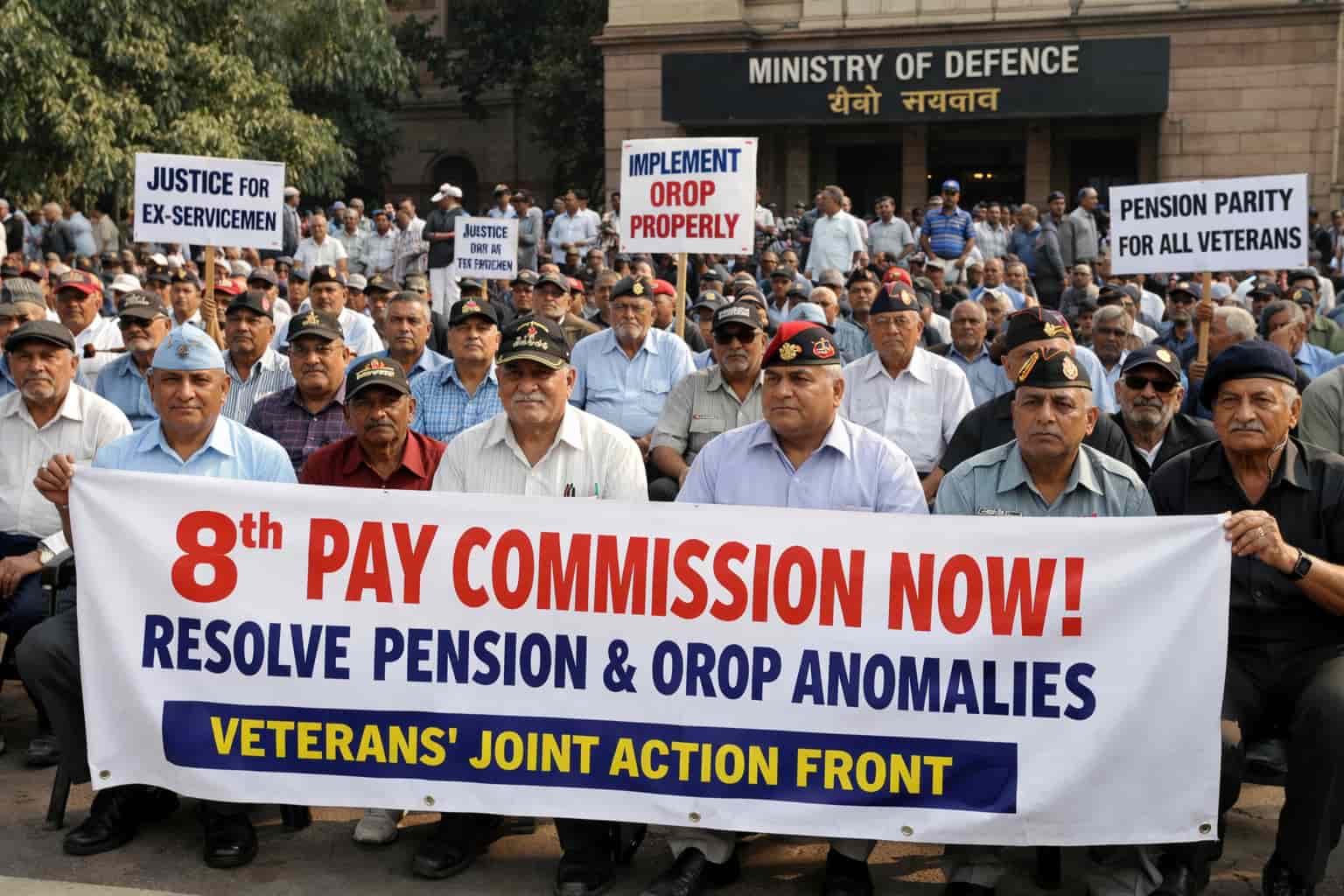
The 8th Pay Commission process is slowly gathering momentum, and with that, stakeholder pressure is beginning to rise. One of the most important fresh developments now comes from the veterans’ side. A new representation has reportedly been sent to the Chairperson of the 8th Central Pay Commission, Justice Retd. Ranjana Prakash Desai, with a request for an in-person meeting to discuss long-pending pension and OROP-related concerns affecting ex-servicemen, veer naris, disabled soldiers, JCOs, and other ranks.

At the centre of this development is the Federation of Veterans Association, which says it represents a very large community of defence pensioners through 163 affiliated organisations. Their message is straightforward: if the 8th Pay Commission is consulting stakeholders and preparing to hear different sides, then the voices of veterans and defence pensioners must be heard properly and directly, not treated as a side issue. For lakhs of former servicemen and their families, this is not just another letter. It is an attempt to make sure old pension mistakes are not repeated in a new pay revision cycle.
According to the representation dated 06 April 2026, the federation has once again asked for a suitable meeting slot with the Commission. The letter reportedly also refers to an earlier communication sent in January 2026, showing that this is not a sudden demand but part of an ongoing effort to bring defence pension concerns into the Commission’s formal consideration process. That detail matters, because it suggests the issue has been consistently raised and that veterans’ groups are trying to engage with the system in an organised manner.
Why is this important? Because pay commissions do not only affect serving employees. Their recommendations shape pension revision logic, parity principles, fitment calculations, and the way anomalies are either resolved or carried forward. Veterans’ organisations appear to be arguing that if their community is not heard at the right stage, then many practical and rank-specific problems may once again get buried under technical formulas and administrative language.
One of the strongest points coming from this representation is that defence pension outcomes cannot be examined only on paper. Military service is structured differently from most civilian services. Rank progression, years of colour service, early retirement patterns, disability issues, family pension realities, and the impact of OROP all make defence pension cases more complex than a standard pension file. That is exactly why veteran associations are insisting that the Commission hear real examples from the ground before it finalises any framework.
The federation reportedly says it represents not just pensioners in general, but also categories that are often the most vulnerable in the system: veer naris, war widows, disabled soldiers, elderly pensioners, and veterans living far from major cities. For many such families, pension is not a policy debate. It is daily survival. Small calculation differences, unresolved parity issues, and delays in correction can directly affect household stability, medical security, and dignity in old age.
A particularly sensitive issue highlighted in the discussion is the claim that in some cases, post-2016 retirees may be drawing lower pension than certain pre-2016 retirees of comparable categories. Even the possibility of such a situation raises serious concern. A pension system is expected to move toward fairness and rationalisation over time, not produce outcomes that leave later retirees worse off in certain comparisons. Whether this issue exists across many cases or only in specific situations, the fact that it is being flagged at this stage indicates why veterans are demanding a face-to-face hearing rather than relying only on written submissions.
The concern is not limited to one anomaly. The broader fear appears to be that several unresolved patterns from the 7th Central Pay Commission era could continue into the 8th CPC phase if the core logic is not corrected now. That includes pension anomalies between ranks, complications linked to OROP implementation, and difficulties in ensuring that revisions truly reflect service conditions and long-standing parity principles. Veterans’ groups want these issues addressed at the policy-design stage, not after orders are issued and people are forced to run from office to office for relief.
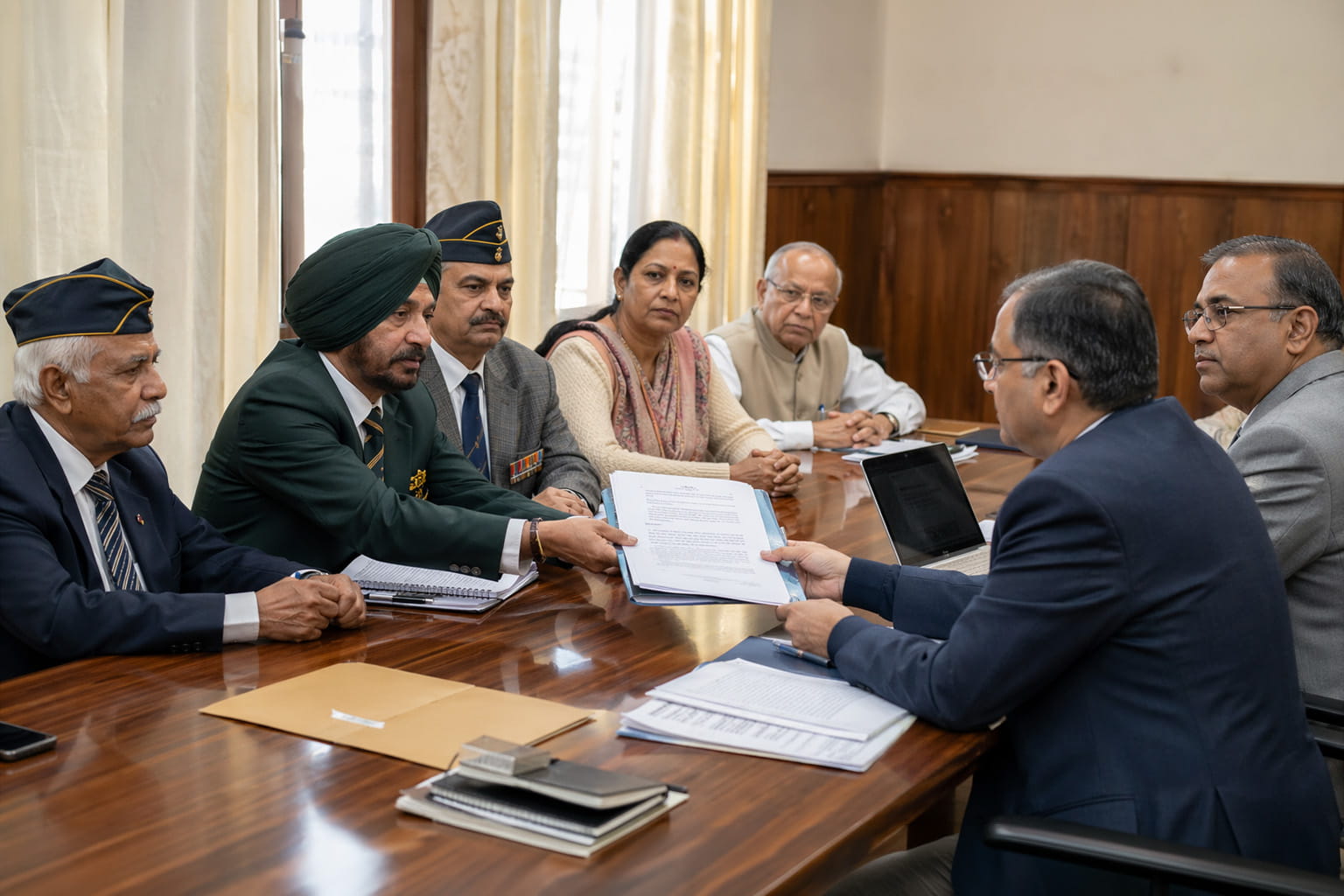
Another important point in the representation is that written memoranda, however detailed, are not always enough. The federation says it has already submitted a charter of demands containing 19 points. But an in-person meeting allows clarification, examples, and direct explanation of why these issues are real and why certain formulas may fail in practical application. This is a reasonable argument. On paper, many pension structures may appear neat and balanced. On the ground, however, they can produce confusion, litigation, delayed corrections, and financial hardship. A personal meeting can help bridge that gap between official design and lived reality.
For JCOs and Other Ranks in particular, this issue carries extra weight. Historically, a large section of defence pension debates has focused on precisely these categories because they form the backbone of the armed forces and yet often feel that their concerns do not receive proportionate visibility in high-level deliberations. When associations argue that the largest stakeholder group should not be missing from consultations, they are essentially making a case for representative fairness. If the system is serious about balanced recommendations, then the experience of those most affected should be part of the discussion.
This development also matters because the 8th Pay Commission is still at a stage where inputs can shape outcomes. Once recommendations are drafted and the policy direction becomes fixed, it becomes far harder to push structural changes. That is why many observers see this window as critical. Stakeholder meetings, memoranda, letters, and formal representations submitted now may influence the eventual treatment of pay revision, minimum pension, fitment-related concerns, anomalies, and parity mechanisms.
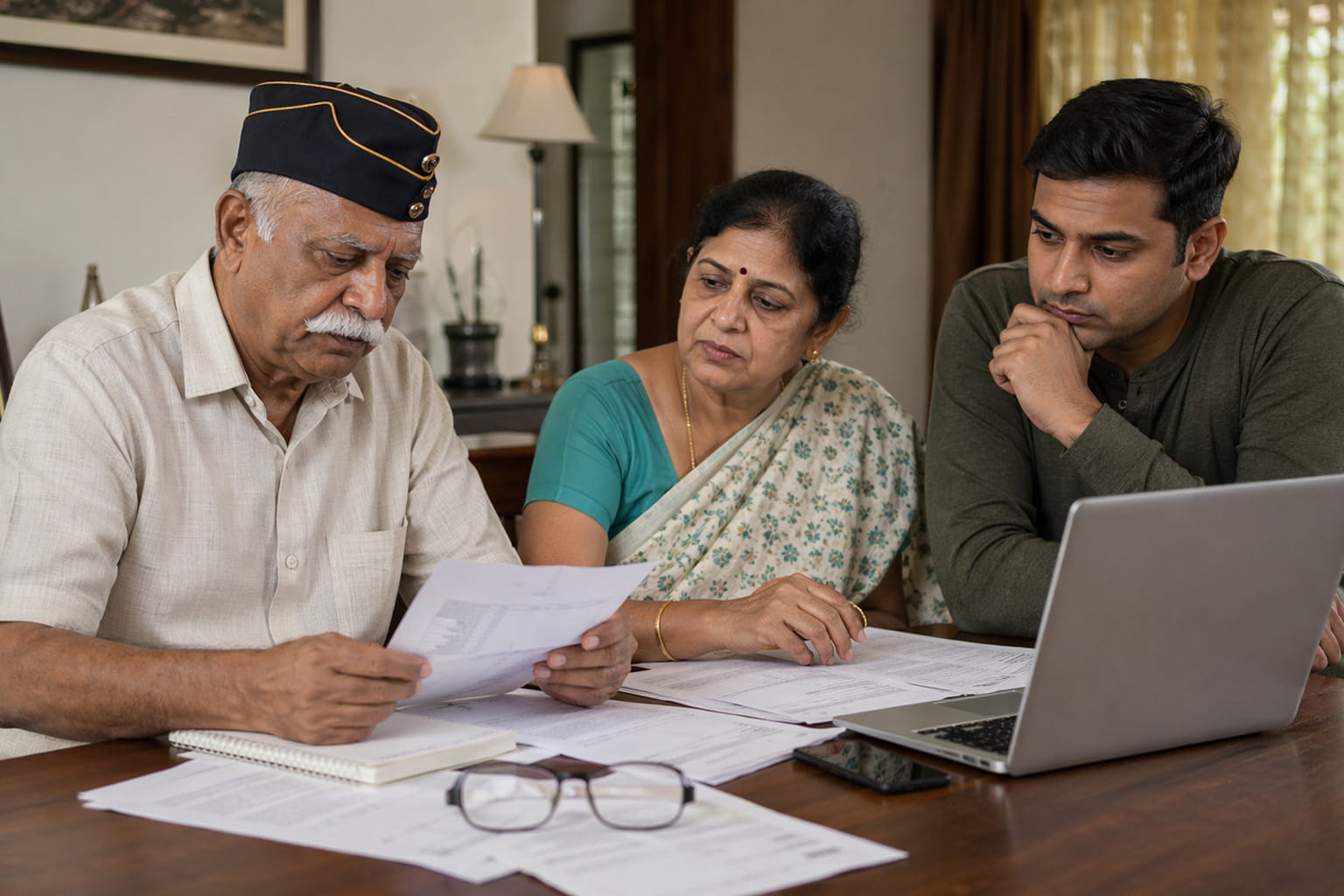
For veterans and pensioners following the 8th CPC closely, the message is clear: this is the time to stay alert, organised, and documented. Associations often become stronger when they are able to submit not just emotional appeals but properly supported cases. Those facing a suspected anomaly should keep their pension documents ready, including PPO details, bank records, and pay-related papers. Simple comparison sheets showing differences between comparable cases may also become useful if associations are compiling evidence for future presentations before authorities.
What happens next will be closely watched. The key question is whether the 8th Pay Commission grants the requested meeting and hears the federation’s concerns directly. If it does, that could become an important moment in the larger pension debate. If it does not, pressure may build further from veterans’ organisations seeking broader recognition of their demands. Either way, the issue has entered the conversation in a serious way, and that alone makes this representation worth tracking.
In the end, this is about more than one letter or one meeting request. It is about whether the next pay commission learns from the unresolved pain points of the previous cycle. It is about whether pension justice is treated as a technical exercise or a human responsibility. For ex-servicemen, veer naris, disabled soldiers, and families dependent on defence pension, the answer will matter deeply. As the 8th Pay Commission moves ahead, the demand from veterans is simple but significant: hear us before the decisions are locked in. That is a call policymakers would be wise to take seriously.




Leave a Reply