

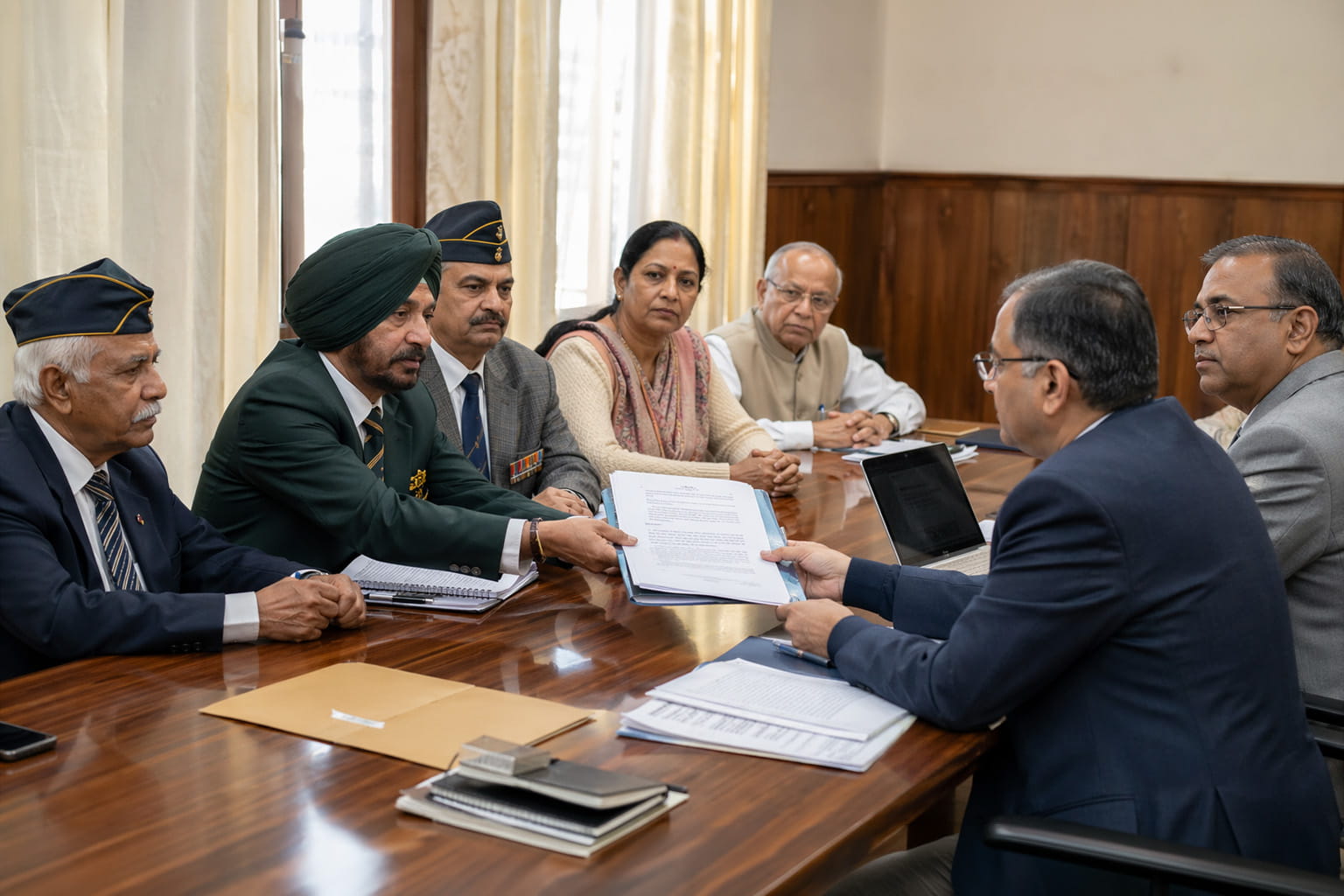
The 8th Central Pay Commission process is beginning to gather visible momentum, and one confirmed stakeholder interaction in Dehradun has now attracted serious attention across the veterans community. For many ex-servicemen, defence pensioners, veer naris, and families following the pay commission process closely, this is not just another meeting. It may prove to be one of the earliest opportunities to place real ground-level concerns before the commission in a structured and timely way.
What makes this development important is not only the fact that the interaction is happening, but also who is going and what they plan to raise. A veterans delegation has been invited to attend and present a memorandum covering a range of long-standing issues connected to pay, pension, allowances, fitment, and unresolved gaps linked to earlier pay commission outcomes. In simple terms, this means the concerns of those who have served, retired, or continue to bear the consequences of older anomalies may now get a proper hearing at a stage when it still matters.
That is exactly why this Dehradun meeting is being seen as more than a symbolic event.
Why this meeting matters more than it may appear?
Pay commissions work on documentation, logic, structured representations, and timing. Once the formal recommendations are shaped and submitted, making major corrections becomes much harder. That is why early engagement matters. If key groups wait until the final report is published, many of the most important issues may already be locked into the framework.
For veterans and defence pensioners, this lesson is not theoretical. Many concerns carried over from earlier systems, including pay disparities, pension distortions, uneven treatment of different ranks, and hardship-related issues that were not fully addressed in the previous cycle. That is why the current stage is so important. It gives associations and representatives a chance to flag these matters before they harden into another decade of dispute.
The Dehradun interaction therefore represents a practical window, not just a ceremonial meeting. It is a chance to place facts, examples, comparisons, and human impact before decision-makers while the consultative process is still active.
Who is expected to represent the Veterans side?
According to the description, the invited delegation includes representatives connected to Sainik Welfare News, the Federation of Veterans Associations, and local veterans leadership from Dehradun. This mix is significant because it combines public communication, national veterans advocacy, and local organisational presence.
That type of representation matters. A strong memorandum is not only about policy language. It is also about reflecting the everyday reality of retired personnel, old pensioners, veer naris, disabled soldiers, and serving jawans whose pay and post-retirement outcomes are affected by the commission’s recommendations.
When such issues are raised by people who stay connected to ground feedback, the discussion becomes more practical and less abstract.

What the Delegation is likely to focus on?
The issues outlined for presentation show that the memorandum is not narrowly limited to one rank or one category of grievance. Instead, it appears to cover the broader structural concerns that continue to trouble the defence community.
One major area is the risk of old pay and pension anomalies repeating themselves. This concern is understandable. Veterans have seen in previous years how a change that looks clean on paper can produce long-term distortions when applied across different ranks, service periods, and retirement cohorts.
Another key area is allowances. Hardship, field, altitude, and location-linked conditions vary sharply across defence service environments. A policy that does not properly reflect those realities can create unfair outcomes. If the 8th Pay Commission is to be genuinely responsive, then allowances cannot be treated as a minor side issue. They are central to how service conditions are recognised.
The memorandum is also expected to raise OROP-linked gaps that continue to affect older pensioners. This remains an emotionally and financially sensitive area. For many retired personnel, unresolved differences in pension treatment are not just accounting issues. They shape dignity, financial security, and trust in the system.
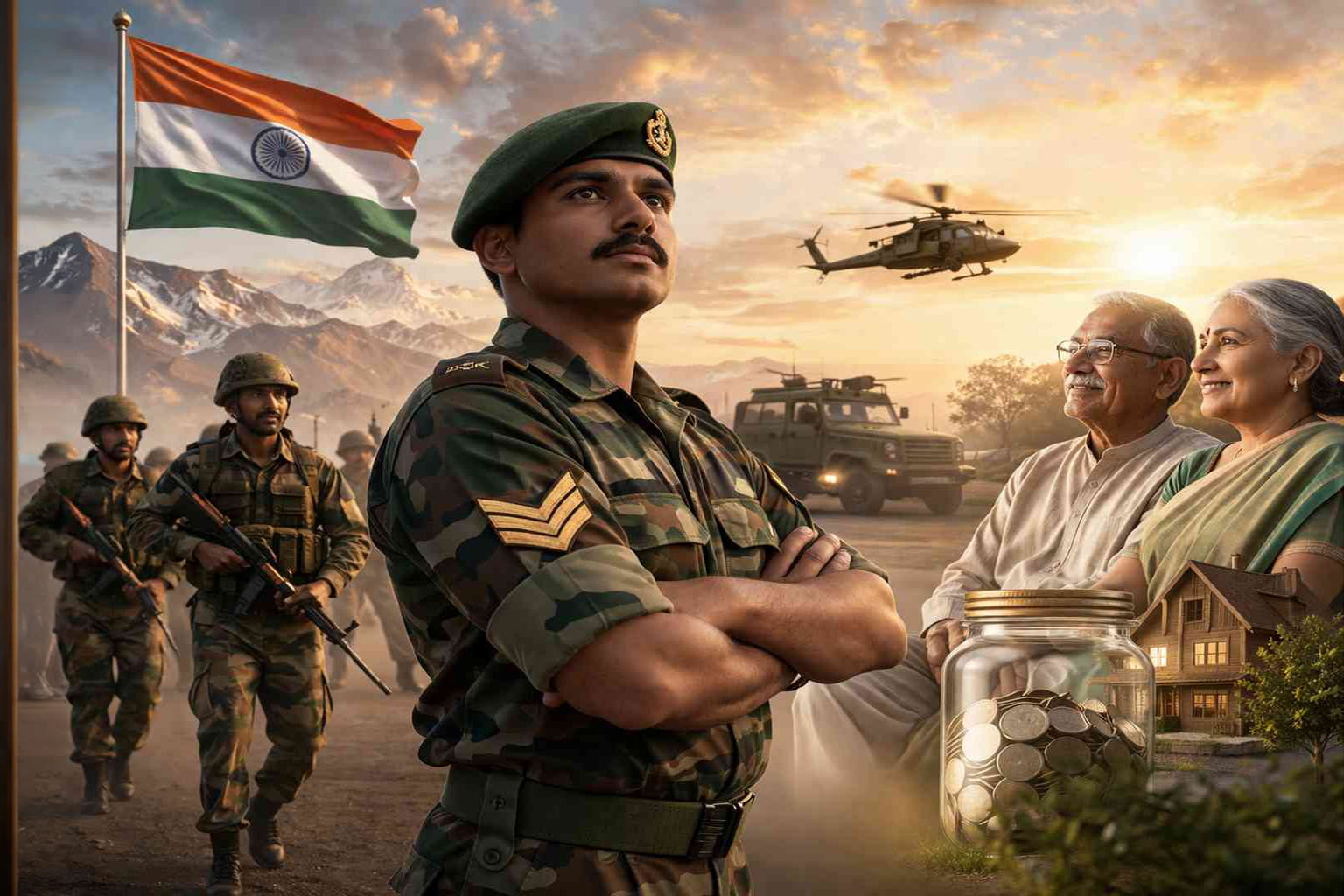
Then comes one of the most closely watched demands: fitment factor and minimum pay logic for jawans. This point has the potential to resonate widely because it goes beyond one technical demand. It asks a larger question: does the pay structure realistically match the cost of maintaining a family, managing housing expenses, meeting dependent responsibilities, and sustaining a dignified standard of living?
Why Sepoy Pay has become a central issue?
The focus on sepoy basic pay revision is especially significant because it touches the foundation of the defence pay structure. Entry-level or lower-rank pay often determines the fairness of the broader system. If the base is weak, the pressure travels upward through service life, retirement, and pension outcomes.
The memorandum, as described, compares earlier pay commission baselines with current levels and proposes a revised approach for the 8th CPC. That kind of comparison is important because it moves the debate beyond slogans. Instead of simply asking for more, it attempts to explain why the present structure may no longer reflect actual family and household realities.
This is where the issue becomes relatable even for ordinary readers who are not experts in pay matrix terminology. Inflation, rent, schooling, dependent care, and household obligations have changed sharply over time. If policy continues to rely on old assumptions, the gap between official pay logic and lived reality becomes wider.
Why Veer Naris and Disabled Soldiers must not be treated as an afterthought?
One of the strongest aspects of the described memorandum is its effort to include those who are often mentioned respectfully in speeches but not always fully reflected in policy design. Veer naris and disabled soldiers face practical difficulties that standard frameworks do not always capture properly.
When welfare, pension, family support, or compensation logic is discussed only in broad averages, the most vulnerable groups can get lost. A serious pay commission process should not only consider salary revision for serving personnel. It must also account for those who continue to live with the consequences of service after retirement, injury, or family loss.
If the Dehradun delegation successfully highlights these realities, it may help broaden the conversation beyond narrow numerical revision and towards a more humane policy lens.
Why this is also a message to Veterans not to stay silent?
Another important message coming through this update is that participation matters. The memorandum has reportedly been made available through accessible public channels so that viewers, veterans, and supporters can read it and identify missing points. That approach is useful because it invites corrective feedback before the submission process moves too far.
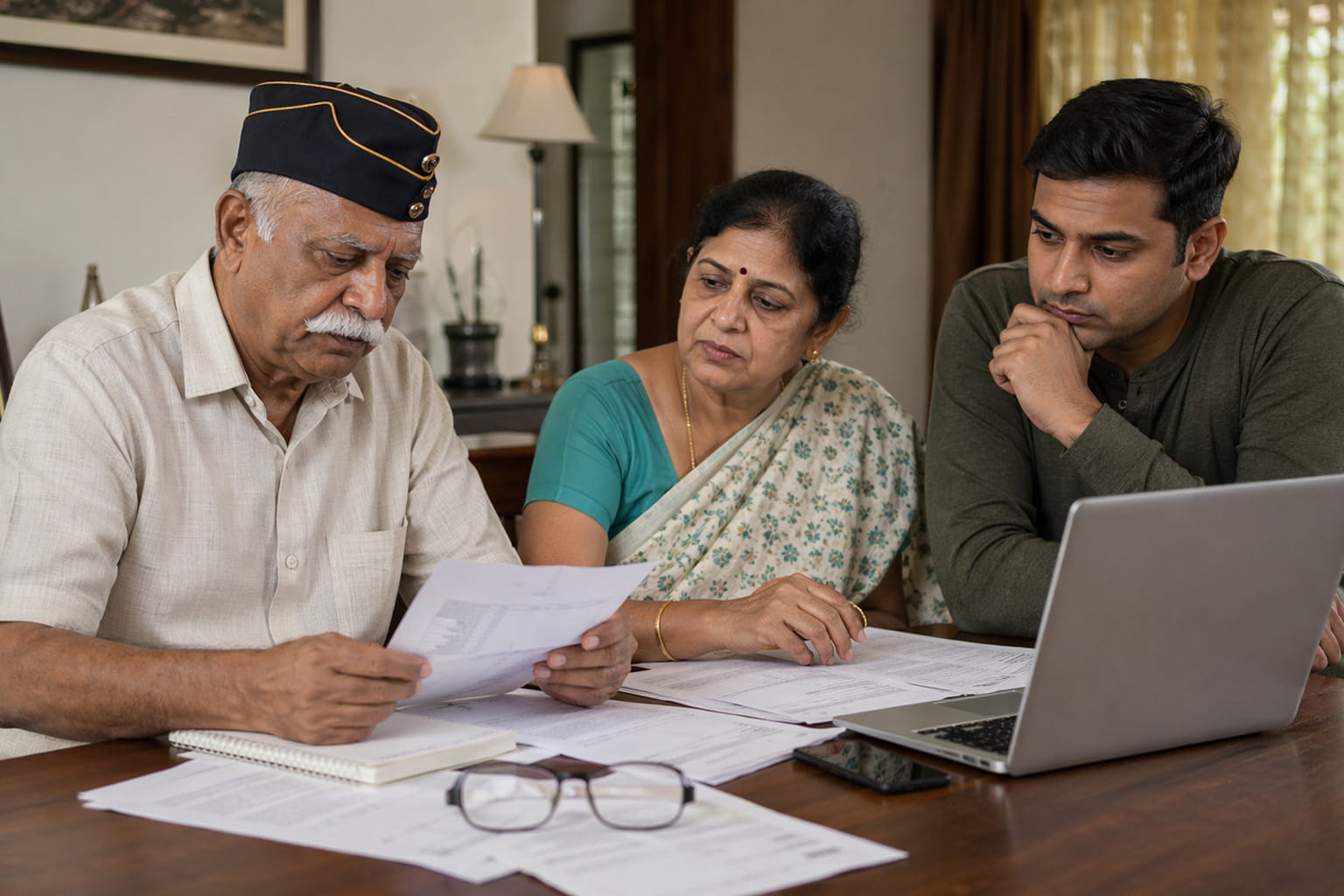
For many people, especially retired personnel, there is a tendency to believe that these matters are decided somewhere far away and individual input will not matter. But organised representation often begins with exactly this kind of public engagement. A missing issue pointed out now may become part of a supplementary note tomorrow. A local concern may reveal a broader national pattern.
That is why this stage should be treated seriously.
What happens after Dehradun could matter even more?
The Dehradun interaction may be only one step in a larger sequence of consultations, but first interactions often shape the tone of later ones. If the presentation is clear, evidence-based, and grounded in real field concerns, it can strengthen follow-up discussions in other cities and future meetings.
Equally important, it can signal to the wider veterans community that this is the time to organise documents, review old anomalies, and articulate demands in a disciplined way. A pay commission cycle is not won by emotion alone. It is influenced by structured reasoning, comparative evidence, and timely submission.
That is why this Dehradun meeting deserves attention. It is not just about attending a venue or handing over a memorandum. It is about ensuring that the voices of jawans, veterans, pensioners, veer naris, and disabled soldiers are heard before the next pay structure is written into policy.
If that happens effectively, this meeting may be remembered not as a routine consultation, but as one of the moments when the defence community chose to intervene early rather than complain later.



Leave a Reply