

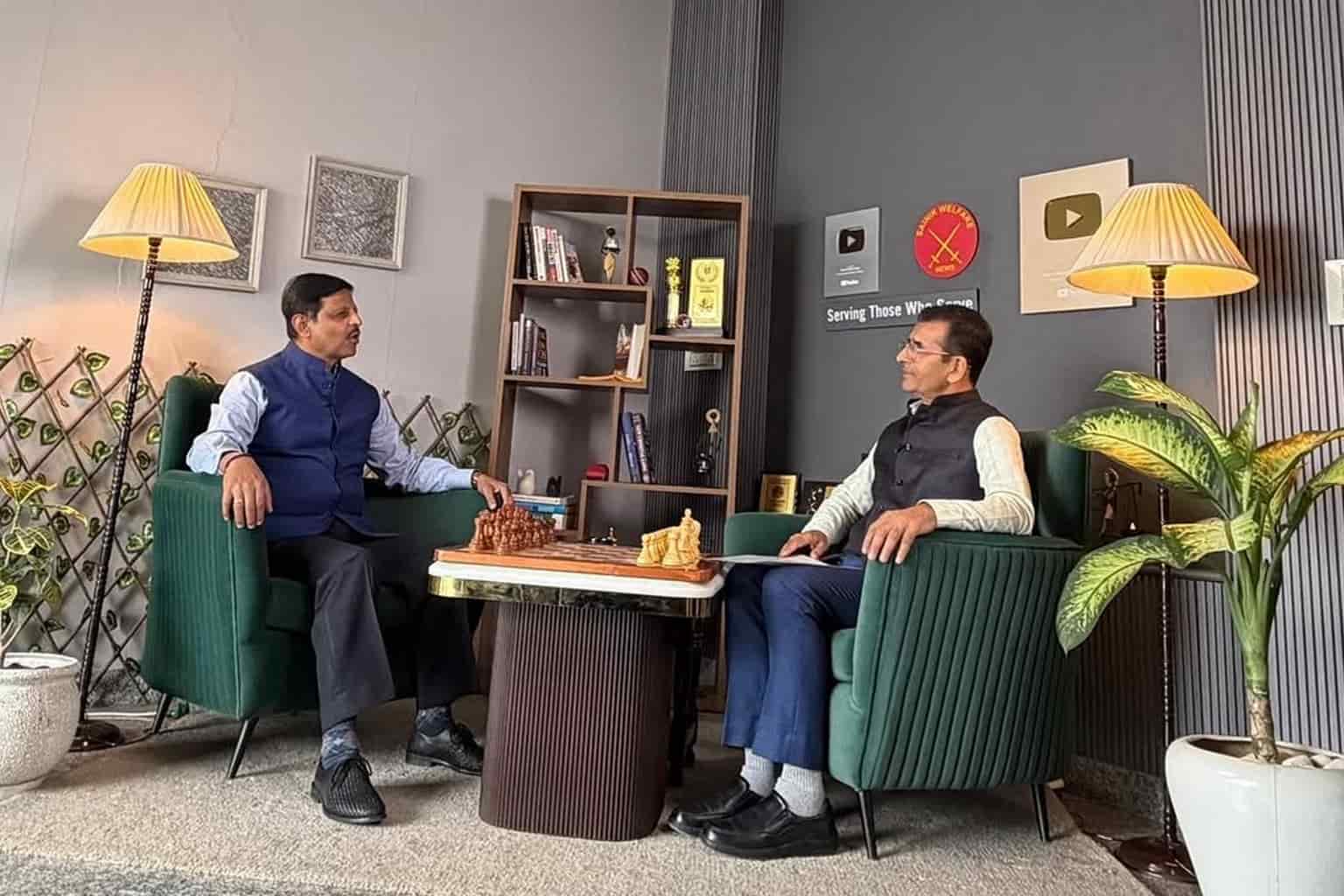
भारतीय सेना में soldiering का अर्थ केवल weapon उठाना, uniform पहनना या battlefield पर खड़ा होना नहीं है. समय के साथ soldiering का स्वरूप बदलता है. कभी focus physical courage पर होता है, कभी operational planning पर, कभी intelligence पर और अब तेजी से बदलती दुनिया में focus information, data, artificial intelligence और decision superiority पर भी आ गया है.
Maj Gen Ravi Kumar Chaudhary (Retd.) की बातचीत इसी बदलाव को समझने का एक महत्वपूर्ण अवसर देती है. चार दशक से अधिक की military service, Blue Star जैसे early operational exposure, B.Tech-M.Tech, IIT Kharagpur, Staff College, Arun Singh Task Force, NTRO और post-retirement technology work — इन सभी experiences से उनकी सोच एक clear दिशा में जाती है: future military leadership को soldier भी होना होगा, technologist भी और problem solver भी.
यह article उनकी बातों को एक professional defence perspective से समझने की कोशिश है.
Soldiering का नया अर्थ: Learning और problem-solving
Maj Gen Ravi Chaudhary के अनुसार सब कुछ soldiering से शुरू होता है. लेकिन soldiering static नहीं रहती. अलग-अलग appointments, exposure और responsibilities के साथ soldier का horizon बढ़ता है.
उनकी journey में दो qualities बार-बार सामने आती हैं:
Willingness to learn
Will to solve problems
यह बात सामान्य लग सकती है, लेकिन Armed Forces जैसे institution में इसका अर्थ बहुत बड़ा है. अगर कोई officer केवल problem को describe करता रहे, तो वह commentator बन जाता है. लेकिन अगर वह problem को solve करना चाहता है, तो उसे knowledge gain करनी पड़ती है, system समझना पड़ता है और अपने mind को train करना पड़ता है.
यही approach उन्हें traditional soldiering से information systems, defence reforms और AI-age warfare तक ले गई.
Information warfare की तरफ turning point
Maj Gen Chaudhary बताते हैं कि Staff College के दौरान Alvin Toffler की book War and Anti-War ने उनके thinking process पर बड़ा असर डाला. उसमें information-age warfare का concept था. बाद में Bill Gates की book Business at the Speed of Thought में “digital nervous system” का idea पढ़कर उन्होंने दोनों concepts को जोड़ा.
उनकी सोच यह बनी कि अगर future warfare में information superiority important होगी, तो उस information को flow कराने के लिए military organisation को एक तरह के digital nervous system की जरूरत होगी.
यह बात आज और भी relevant लगती है. Battlefield में sensors, satellites, drones, surveillance systems, cyber inputs और multiple data streams मौजूद हैं. लेकिन सिर्फ data available होना काफी नहीं है. वह सही समय पर सही commander तक सही form में पहुंचे, तभी उसका operational value बनता है.
Agnipath पर उनका view: Young profile और trainability
Agnipath scheme पर Maj Gen Ravi Chaudhary का stand positive है, लेकिन वे इसे political या emotional angle से नहीं, बल्कि military structure और future warfare की जरूरत के angle से देखते हैं.
उनके अनुसार आज की warfare में technology का infusion बहुत तेजी से बढ़ रहा है. ऐसे माहौल में young soldier की trainability of mind बहुत important हो जाती है. उनका मानना है कि Agnipath को केवल experience बनाम service length के debate में नहीं देखना चाहिए. इसे इस तरह देखना चाहिए कि technology-heavy battlefield में कितनी तेजी से trained, adaptable और young manpower चाहिए.
उनका दूसरा महत्वपूर्ण point है teeth-to-tail ratio. अगर soldiers की service बहुत लंबी होती है, तो accommodation, family support, children education, medical facilities और administrative requirements बढ़ती हैं. इससे logistic tail और revenue expenditure भी बढ़ते हैं.
उनके हिसाब से younger profile, limited colour service और trained manpower का model Army की operational flexibility और administrative burden दोनों के context में समझा जाना चाहिए.
Agniveer welfare पर balanced concern
Agnipath पर positive view रखने के बावजूद उन्होंने एक महत्वपूर्ण welfare concern को स्वीकार किया. जब सवाल आया कि अगर कोई Agniveer martyr हो जाए या disabled हो जाए, तो क्या family pension या disability support जैसी व्यवस्था और मजबूत होनी चाहिए, तो उन्होंने साफ कहा कि जिन्होंने देश के लिए sacrifice दिया है, उनके लिए support होना ही चाहिए.
यह बहुत जरूरी balance है. Agnipath पर कोई भी serious discussion तभी credible बनता है जब operational need और soldier-family welfare दोनों को साथ रखा जाए.
यानी एक तरफ Army की young profile और trainability की जरूरत है, दूसरी तरफ sacrifice, disability और family security के मामलों में welfare framework को संवेदनशील और मजबूत रखना भी उतना ही आवश्यक है.
NTRO से मिले दो बड़े lessons
Maj Gen Chaudhary ने National Technical Research Organisation यानी NTRO में अपने अनुभव को बहुत valuable बताया. उनके अनुसार वहां scientists, analysts, all India services और central services के professionals के साथ काम करने का अलग environment था.
NTRO से उन्होंने दो बड़े lessons निकाले.
पहला lesson:
There is no substitute for indigenisation.
Defence technology में आत्मनिर्भरता केवल slogan नहीं है. अगर country को long-term security चाहिए, तो critical systems, sensors, analytics, platforms और technologies पर indigenous capability बनानी ही होगी. उनके अनुसार Indian scientists capable हैं, लेकिन उन्हें right environment, support और direction चाहिए.
दूसरा lesson:
Data capture और data analysis में बहुत फर्क है.
आज battlefield transparency और information explosion का दौर है. Data बहुत आ रहा है, लेकिन अगर उसे analyse नहीं कर पाए, तो उसका operational value सीमित रह जाता है. उनके अनुसार हम capture पर बहुत जोर देते हैं, लेकिन analysis environment, tools और organisational data culture पर उतना काम नहीं हो पाता.
उनका solution clear है:
पहले data को digitise करें.
फिर organisation को data-centric बनाएं.
फिर AI infusion लाएं.
तभी useful analytics और decision support निकलेगा.
Defence reforms में cooperation क्यों जरूरी है?
General साहब ने government और organisational culture पर एक practical point उठाया. उनके अनुसार कई बार cooperation की जगह competition ज्यादा हो जाती है. अलग-अलग departments या stakeholders अपनी-अपनी proposals को आगे बढ़ाना चाहते हैं, लेकिन अगर collaborative refinement नहीं होता तो अच्छे projects भी optimal result नहीं दे पाते.
यह बात defence reforms में बहुत महत्वपूर्ण है. कोई भी single proposal perfect नहीं होता. लेकिन अगर stakeholders मिलकर उसे बेहतर बनाएं, तो stronger outcome आ सकता है.
Defence modernisation में पैसा, time, manpower और technology सभी limited resources हैं. अगर competition collaboration पर भारी पड़ जाए, तो government finances और institutional energy का sub-optimal utilisation हो सकता है.

Arun Singh Task Force से reform implementation की सीख
Maj Gen Ravi Chaudhary को Arun Singh Task Force के secretariat को handle करने का opportunity मिला. वे इसे immense learning बताते हैं. इस experience से उन्होंने दो important lessons बताए.
पहला:
Civil-military relations institutional भी हैं और individual भी.
Structures important हैं, लेकिन civilian officials और military officials के बीच mutual understanding, respect और continuous interaction भी उतने ही जरूरी हैं. Military officers को governance exposure बढ़ाने की जरूरत है, ताकि वे civilian system की constraints और processes को बेहतर समझ सकें.
दूसरा lesson:
Reform recommendations को package deal की तरह accept या reject करना चाहिए.
अगर किसी recommendation को आधा accept और आधा reject किया जाए, तो उसका original purpose कमजोर हो सकता है. उन्होंने IDS without CDS का example दिया, जिससे role clarity और implementation confusion पैदा हुआ.
यह point आज भी relevant है. Defence reforms केवल new headquarters बनाने से नहीं होते. Reform तभी successful होता है जब structure, authority, accountability और purpose साथ-साथ align हों.
Data-based defence reforms क्यों जरूरी हैं?
Maj Gen Chaudhary का एक strong argument है कि reforms data-based होने चाहिए. Defence reforms को केवल legacy, perception या patchwork से नहीं चलाया जा सकता.
उन्होंने road analogy दी: अगर सड़क खराब है, तो क्या हम सिर्फ patch repair करना चाहते हैं या future के लिए पूरी नई road बनाना चाहते हैं?
Information age में military organisation का prime resource information बनता जा रहा है. Firepower और mobility अभी भी important हैं, लेकिन अगर adversary के साथ firepower और mobility में symmetry हो जाए, तो advantage information और decision-making से आएगा.
इसलिए structure बनाते समय यह देखना होगा:
Information flow कैसे होगा?
Decision-making कितनी fast और accurate होगी?
Commander initiative कैसे maintain करेगा?
Precision strike के लिए relevant data कैसे पहुंचेगा?
Leadership resources को exploit कैसे करेगी?
जब इन सवालों से structure design होगा, तभी reform future-ready बनेगा.
Decision fabric क्या है?
इस बातचीत का सबसे unique और powerful concept है — decision fabric.
Maj Gen Chaudhary कहते हैं कि information-age warfare का focus information superiority था, लेकिन AI-age warfare का focus decision superiority होगा.
उनके अनुसार data बाहर होता है, information mind में बनती है. Same data से अलग-अलग लोग अलग conclusions निकाल सकते हैं. इसलिए challenge केवल data collect करना नहीं है, बल्कि data से meaningful information emerge कराना है.
उन्होंने इसे साड़ी के धागों से समझाया. धागे अगर बिखरे पड़े रहें, तो वे fabric नहीं बनते. लेकिन जब वे सही pattern में जुड़ते हैं, तब design, border और value emerge होती है.
इसी तरह battlefield data को भी relevant, timely और usable information में weave करना पड़ता है. यही decision fabric है.
अगर commander के सामने strong decision fabric emerge होता है, तो वह timely और correct decision ले सकता है. अगर data बिखरा हुआ हो, तो decision delayed, confused या incomplete हो सकता है.
Future warfare में victory केवल ज्यादा data रखने से नहीं आएगी. Victory उस system को मिलेगी जो data को decision fabric में बदल सके.
AI-age warfare में technology और strategy का gap
Maj Gen Chaudhary के अनुसार AI एक single technology नहीं है. यह एक ecosystem है. इसमें data, sensors, algorithms, infrastructure, domain knowledge, security, command systems और operational use-case सभी शामिल हैं.
उनका बड़ा observation है कि defence AI projects में अक्सर gap इसलिए आता है क्योंकि operational decision-maker strategy समझता है लेकिन technology depth नहीं समझता. दूसरी तरफ system integrator या vendor technology समझता है लेकिन strategy और military context नहीं समझता.
इसी gap को वे दो roles से explain करते हैं:
Strategic technologist — जो strategy के level से technology को देखे.
Technology strategist — जो technology को इस तरह apply करे कि strategic purpose पूरा हो.
Defence AI implementation के लिए यह bridge बहुत जरूरी है. अगर strategy और technology अलग-अलग language बोलेंगे, तो projects expensive भी होंगे और incomplete भी.
AI projects में desired result क्यों नहीं आता?
General साहब ने AI-related government और defence projects के context में एक broader problem point किया: ideas बनते हैं, committees बनती हैं, proposals आते हैं, लेकिन desired outcome नहीं आता क्योंकि implementation ecosystem clear नहीं होता.
AI को implement करने के लिए केवल vendor selection काफी नहीं है. जरूरी है:
- clear operational problem definition
- reliable data architecture
- domain experts की involvement
- technology-agnostic evaluation
- vendor-neutral advice
- measurable outcomes
- commander के decision cycle की understanding
अगर ये चीजें नहीं होंगी, तो AI project सिर्फ technology purchase बनकर रह जाएगा, military transformation नहीं.
Defence aspirants के लिए तीन बड़ी सीख
Maj Gen Ravi Chaudhary ने young defence aspirants के लिए जो advice दी, वह सिर्फ candidates के लिए नहीं, बल्कि officers, veterans, students और professionals सभी के लिए useful है.
Problem-solving continuously practice करें
उनका पहला lesson है कि problem-solving एक habit है. इसे continuously practice करना पड़ता है.
उनकी approach है:
Any problem that I see is my problem to solve.
यह attitude व्यक्ति को victim mindset से निकालकर solution mindset में लाता है. जब आप problem solve करना चाहते हैं, तो आपको सीखना पड़ता है, समझना पड़ता है और दूसरों के perspective को भी देखना पड़ता है.
Writing से clarity आती है
उनका दूसरा lesson है कि किसी भी solution को पहले लिखो. अगर आप अपनी बात ऐसे नहीं लिख सकते कि कोई भी पढ़कर समझ जाए, तो शायद आप खुद clear नहीं हैं.
यह military leadership के लिए बहुत important है. Operations, strategy, reforms, technology proposals — सब clarity demand करते हैं. अगर thought clear नहीं है, तो execution confused होगा.
Writing से thinking disciplined होती है. Criticism से thought refine होता है. Refined thought strategy बनता है. और clear strategy implementation को आसान बनाती है.
Pain और problem में फर्क समझें
तीसरा lesson बहुत deep है. वे कहते हैं कि कई बार हम pain को problem समझ लेते हैं.
Pain symptom है. Problem root cause है.
अगर हम केवल pain address करते रहें, तो एक pain कम होगा और दूसरा pain खुल जाएगा. लेकिन problem solve नहीं होगी.
उन्होंने उलझे हुए धागे का example दिया. अगर धागे का गोला उलझा है, तो ऊपर दिख रहे धागे को काट देने से solution नहीं निकलेगा. पहले छोर ढूंढना होगा, गांठ खोलनी होगी, पूरा धागा समझना होगा, फिर उसे नए तरीके से organise करना होगा.
यह design thinking का core भी है — पहले सही problem define करो, फिर solution बनाओ.
Defence leadership को अब किस दिशा में बढ़ना होगा?
Maj Gen Ravi Chaudhary की सोच से एक clear direction मिलती है. Future defence leadership को तीन worlds को साथ समझना होगा:
Soldiering — ground reality, mission, sacrifice, discipline
Technology — data, AI, sensors, analytics, digital systems
Reform thinking — structure, governance, collaboration, implementation
अब वही officer या institution आगे रहेगा जो इन तीनों को जोड़ सके.
Future battlefield में केवल bravery नहीं चलेगी. Bravery के साथ decision speed, information flow, AI-enabled analytics, indigenous systems और correct problem definition भी चाहिए.
निष्कर्ष
Maj Gen Ravi Kumar Chaudhary की बातचीत हमें यह समझाती है कि Indian military thinking का future केवल tanks, guns, aircraft या manpower से तय नहीं होगा. Future उस system का होगा जो information को sense कर सके, data को analyse कर सके, AI को meaningful तरीके से integrate कर सके और commander को decision superiority दे सके.
Agnipath पर उनका view young profile और trainability के angle से आता है, लेकिन sacrifice और disability welfare पर वे balanced sensitivity भी रखते हैं. NTRO experience से वे indigenisation और data analytics की जरूरत बताते हैं. Arun Singh Task Force से वे reform implementation और civil-military understanding की सीख निकालते हैं. Decision fabric से वे AI-age warfare का नया framework देते हैं. और defence aspirants को वे simple लेकिन powerful message देते हैं — problem solve करो, clarity से लिखो, और pain व problem में फर्क समझो.
Modern soldiering अब केवल battlefield courage नहीं है. यह learning, technology, reforms और problem-solving का disciplined combination है.
यही इस बातचीत की सबसे बड़ी सीख है.


Leave a Reply