

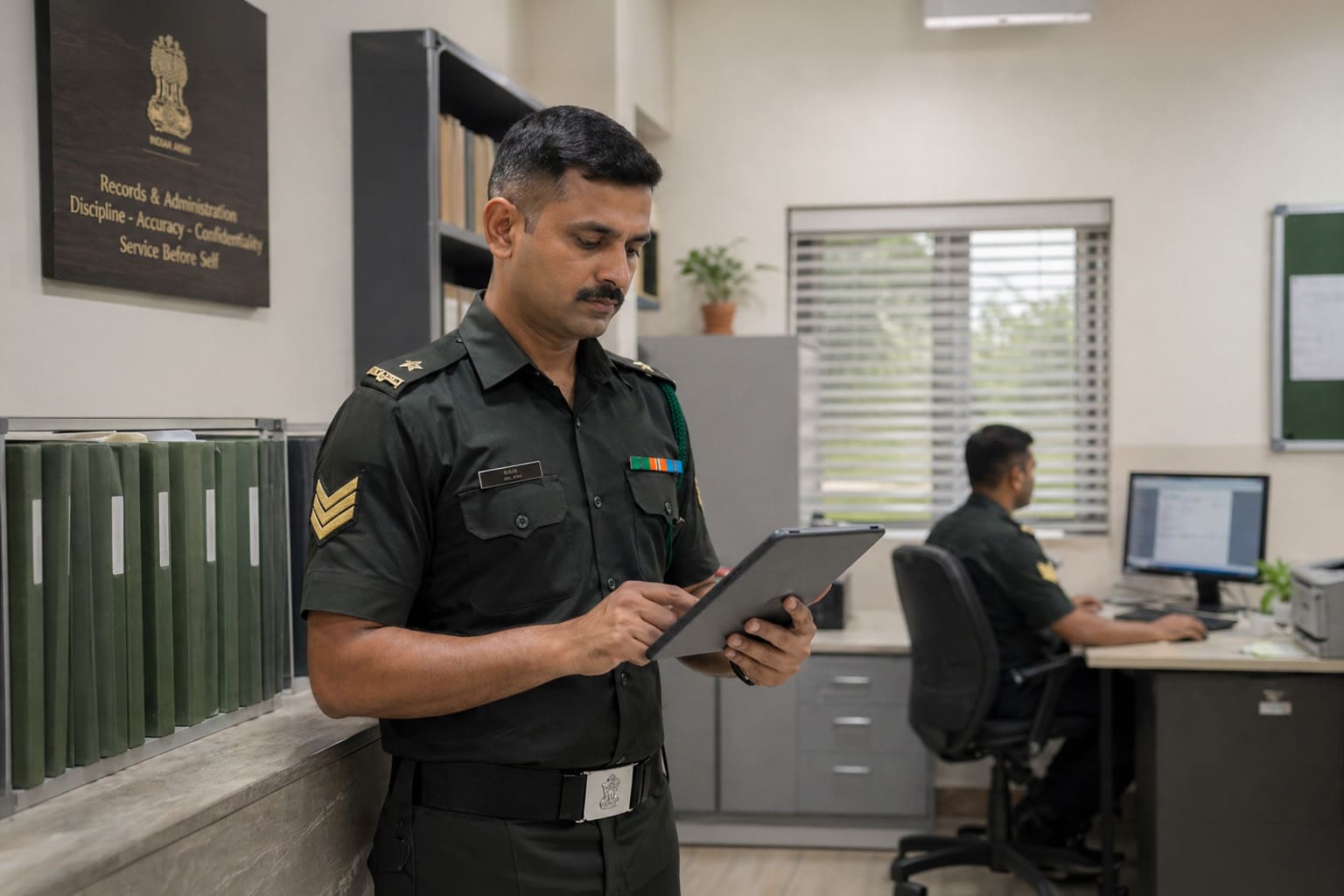
The Indian Army is known for discipline, records, hierarchy and timely documentation. Behind every promotion board, posting, career review and service-history decision, there is a large administrative system that quietly keeps the Army moving. One important part of that system is the Annual Confidential Report, commonly known as ACR.
Now, a major administrative change is expected for Junior Commissioned Officers. As per the described Army Headquarters letter dated 27 April 2026, the JCO ACR process is planned to move from paper-based handling to an Electronic Confidential Report system, with full implementation expected from 1 June 2026. The transition is proposed through ARPAN web version 4.0, with a trial phase during May 2026.
This may sound like a routine digital upgrade, but for JCOs and units, it can become an important HR reform.
For years, ACR processing has depended heavily on physical movement of forms, signatures, endorsements and record-office coordination. In a large organisation like the Army, where personnel are frequently posted, moved, attached, transferred or deployed, paper-based processing can create delays. Documents may take time to move from one authority to another. Sometimes tracking becomes difficult. In some cases, missing pages, delayed endorsements or mismatch in service records can create future complications.
That is why digitising the JCO ACR system is important.
The Annual Confidential Report is not an ordinary form. It is a career document. It reflects performance, conduct, professional qualities, leadership ability and suitability for future responsibilities. For JCOs, it can influence promotion prospects, career progression, record accuracy and long-term service history. A more transparent and trackable workflow can therefore help both the individual and the organisation.
As per the described timeline, the Army will conduct a trial phase in May 2026 before the live rollout. During this trial, every unit has been directed to create two dummy JCO ACRs only for testing. This is a sensible step because a digital system should not be introduced suddenly without testing real workflow conditions.
The dummy ACRs are expected to move through the same broad chain used in actual cases. This includes initiation by the reporting authority, review by the reviewing authority and movement up to the SRO level endorsement during the trial. The purpose is not to create real service records, but to test whether the system works smoothly from start to finish.
This trial is important because Army administration operates in many different ground situations. Not every case is simple. A JCO may be posted out. A reporting authority may have changed. A unit may be dealing with movement, posting, attachment or record-office coordination. If the digital system is tested only for simple cases, problems may emerge later during live implementation. That is why the described instruction to test practical scenarios, including a posting-out case, becomes important.
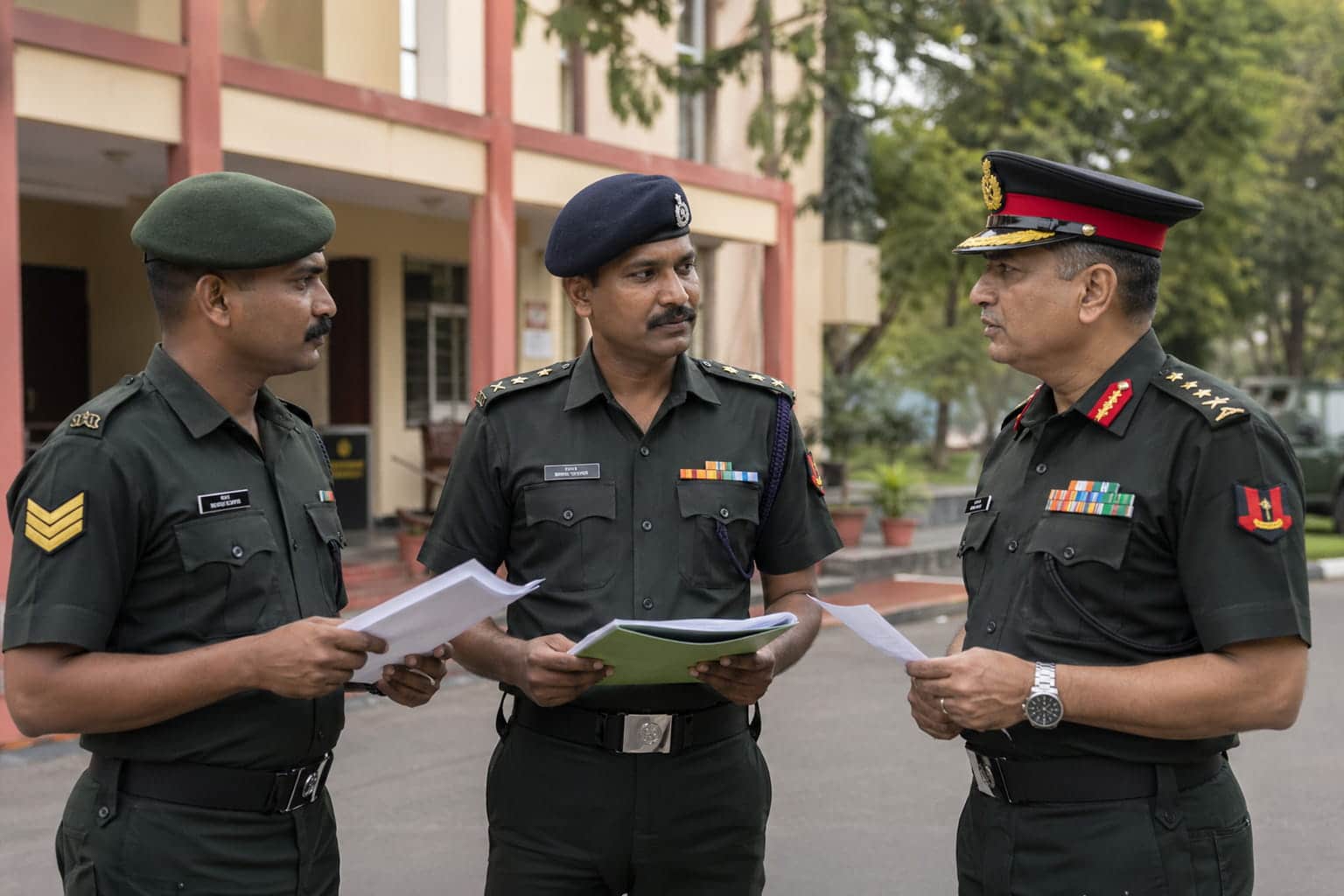
For unit clerks and administrative staff, this change will require attention. The trial should not be treated casually. Login, workflow movement, data entry, review chain, submission, forwarding and feedback must be tested properly. If errors are noticed during trial, they should be reported through the user feedback option on ARPAN 4.0, as mentioned in the description. A clean trial can reduce problems after 1 June.
For JCOs, the digital ACR system can bring several possible benefits.

First, it can improve tracking. In a paper-based system, it may not always be easy to know where a report is pending. In a digital workflow, each stage can potentially be monitored more clearly.
Second, it can reduce delay. When forms move electronically through the defined chain, processing time may come down, provided the users complete their part responsibly.
Third, it can improve accountability. Digital actions usually leave a timestamped trail. This can help identify where a case is pending and reduce avoidable delays.
Fourth, it can reduce the risk of physical record mismatch. Paper documents can be misplaced, damaged or delayed. A properly maintained digital record can make future reference easier.
Fifth, it can support promotion and service-record accuracy. Since ACRs are linked with career progression, timely and accurate reporting can reduce future disputes or confusion.
However, digitalisation also brings responsibility. A system is only as good as the data entered into it. If details are wrongly entered, if workflow is not followed, or if users do not check entries carefully, mistakes can still happen. Therefore, JCOs, clerks and reporting-chain officers must treat the transition seriously.
The described trial is expected to run till 21 May 2026, after which feedback will be analysed, corrections will be carried out and dummy entries will be deleted from the database. This is another important point. Dummy ACRs should not be confused with real entries. They are for system testing only.
From 1 June 2026, the e-Confidential Report system is expected to apply to the reporting period 1 June 2025 to 31 May 2026, as per the details provided. This makes the timeline important for all concerned units. If the rollout begins smoothly, it can become a major step toward modernising Army HR documentation.
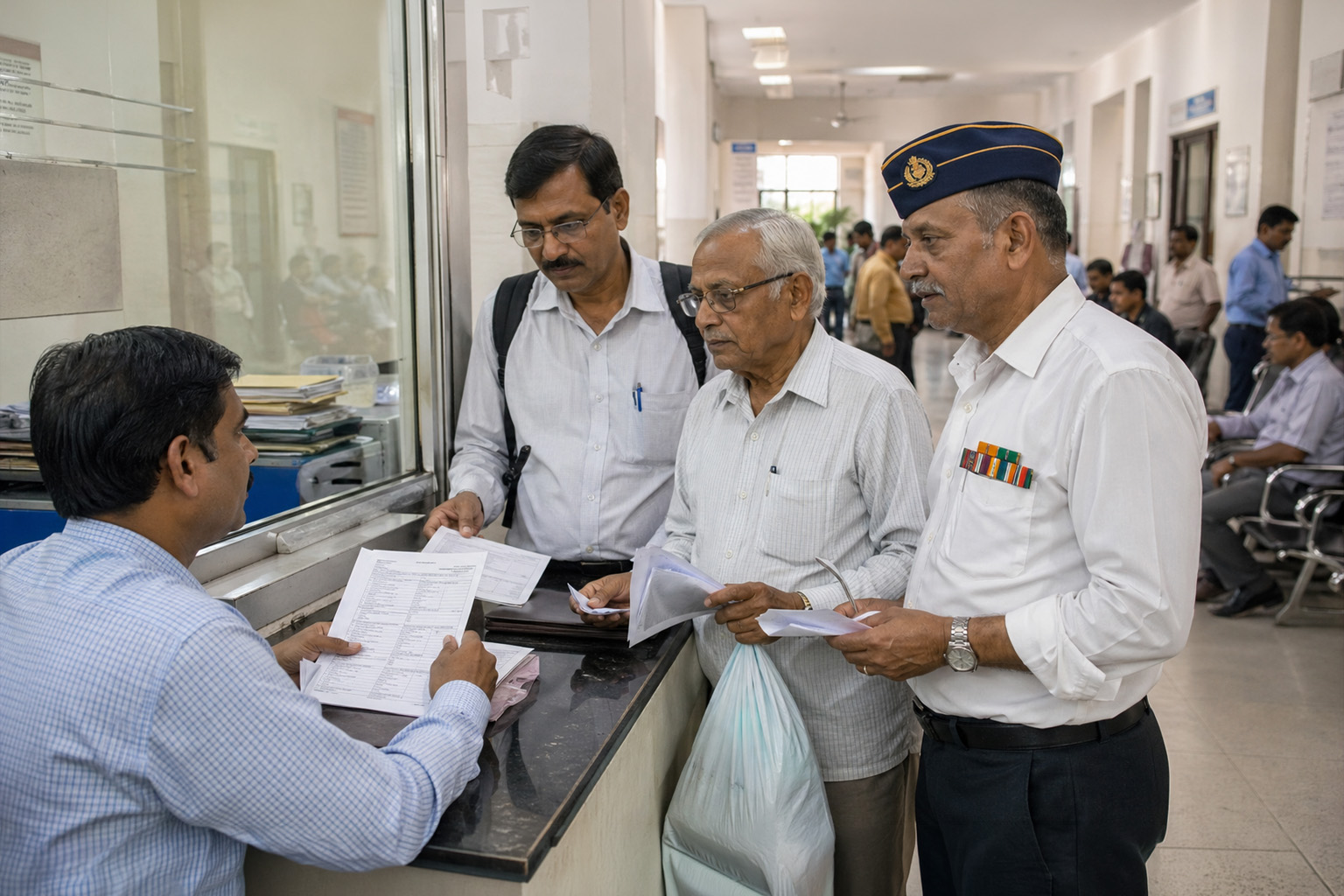
For veterans, this update is also worth noting. Many service-related issues after retirement arise from record mismatch, delayed entries, missing documentation or difficulty in tracing old records. Better digital record-keeping today can reduce future problems for serving personnel and retired JCOs. While veterans may not directly use the system, they understand the value of accurate service records better than anyone.
At the same time, confidentiality must remain central. ACRs are sensitive personnel documents. Digitisation should not mean casual sharing, screenshots or public discussion of confidential details. Personnel should follow unit SOPs, Record Office directions and official channels only.
This change should also be seen in the larger context of military HR modernisation. The Army is increasingly moving toward digital platforms for record management, administration and personnel services. When implemented properly, such reforms can save time, reduce paperwork and bring better discipline to documentation.
But the success of this reform will depend on the trial phase. Units must test the process honestly. Clerks must report glitches. Reporting and reviewing authorities must complete the dummy workflow properly. Practical problems should be flagged early. If the May trial is handled seriously, the live rollout from 1 June can be much smoother.
The biggest takeaway is simple. The JCO ACR going digital is not just a software update. It is a shift in how one of the Army’s important career documents will be processed, tracked and preserved.
For JCOs, it can mean better visibility and timely processing. For units, it can mean faster administration. For Record Offices, it can mean cleaner data. For the Army, it can mean a more modern and accountable HR system.
From paper files to electronic workflow, this reform has the potential to reduce delays and strengthen service-record management. The system will still depend on discipline, accuracy and responsible handling. But if implemented well, the move to e-Confidential Reports on ARPAN 4.0 could become an important step in making Army administration faster, cleaner and more future-ready.




Leave a Reply