

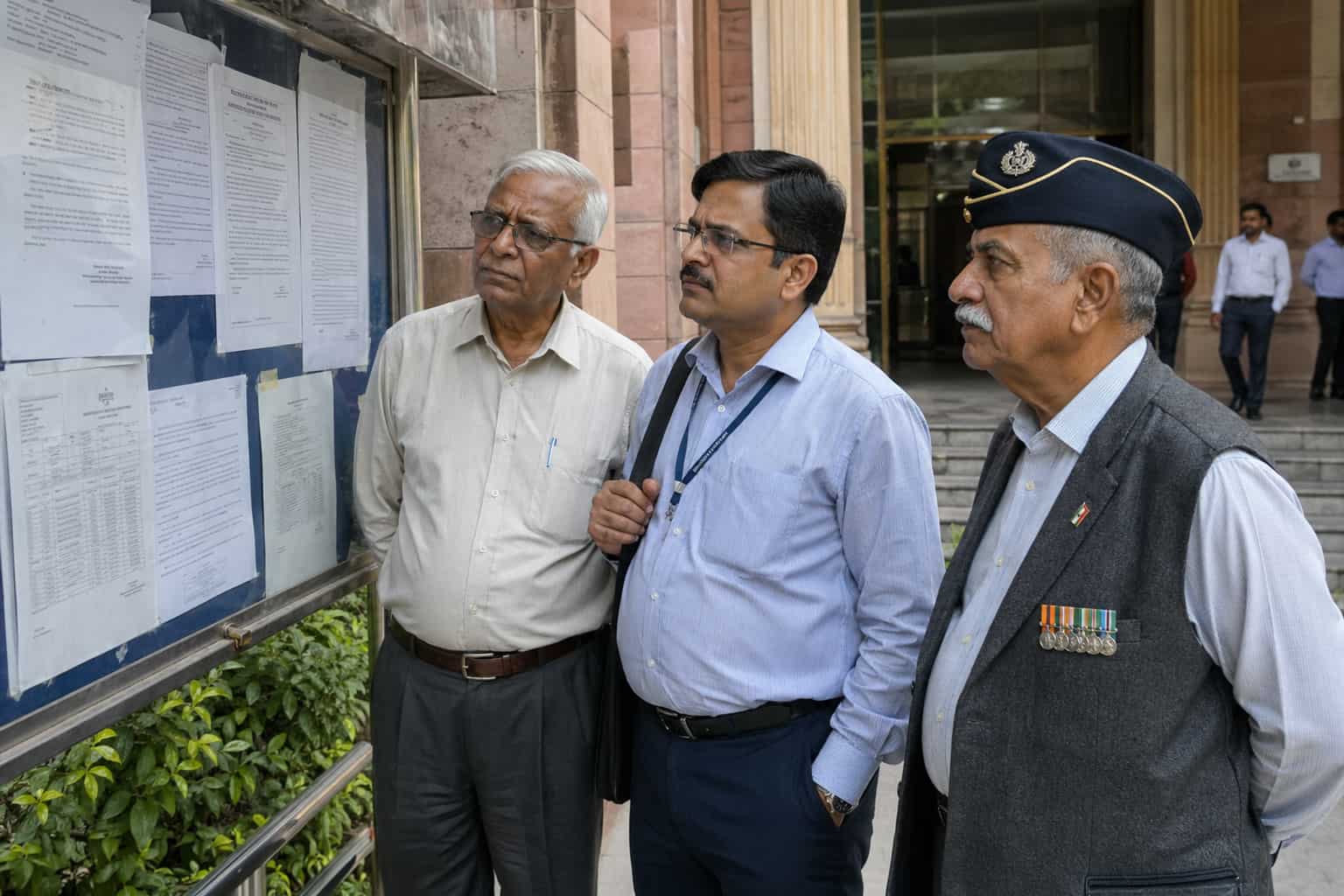
For central government employees, pensioners, defence pensioners and ex-servicemen, the formation of the 8th Pay Commission was one of the most awaited developments in recent years. For months, every small update created discussion because the issue is not limited to salary revision. It directly affects family budgets, retirement security, medical planning, future savings and the long-term financial confidence of lakhs of households.
Now, the first major question has been answered. The 8th Central Pay Commission has been officially constituted by the Government of India through a notification dated 3 November 2025, and the Commission has been established at Chanderlok Building, Janpath, New Delhi. The official website also lists Justice Ranjana Prakash Desai as Chairperson, Prof. Pulak Ghosh as Part-Time Member and Shri Pankaj Jain as Member-Secretary.
But the formation of the Commission does not mean the real outcome has arrived. In fact, for employees and pensioners, the more important phase has only started now.
A Pay Commission does not change salaries overnight. It studies the existing pay structure, pension system, allowances, service conditions, government finances, economic pressures and representations from stakeholders. After that, it prepares recommendations. The government then examines those recommendations before taking a final implementation decision.
That is why employees and pensioners should not confuse formation with final benefit. The Commission is formed, but the real wait is for its recommendations and the government’s final approval.
For serving central government employees, the biggest expectations are linked to minimum pay, fitment factor, pay matrix, annual increment, MACP, promotions, allowances, HRA, TA, LTC and medical benefits. For pensioners, the main concerns are pension revision, Dearness Relief, commutation, gratuity, family pension, medical access and protection against inflation. For defence pensioners and ex-servicemen, important issues include MSP, OROP anomalies, disability pension, ECHS, CGHS, rank-related parity and service-specific hardships.
These are not small matters. They affect daily life.
A higher basic pay can change household planning. A fair pension formula can improve retirement dignity. A better allowance structure can help employees posted in difficult areas. Better medical support can reduce pressure on senior pensioners. For defence families, correction of anomalies can bring long-awaited relief.
This is why the consultation phase is extremely important.
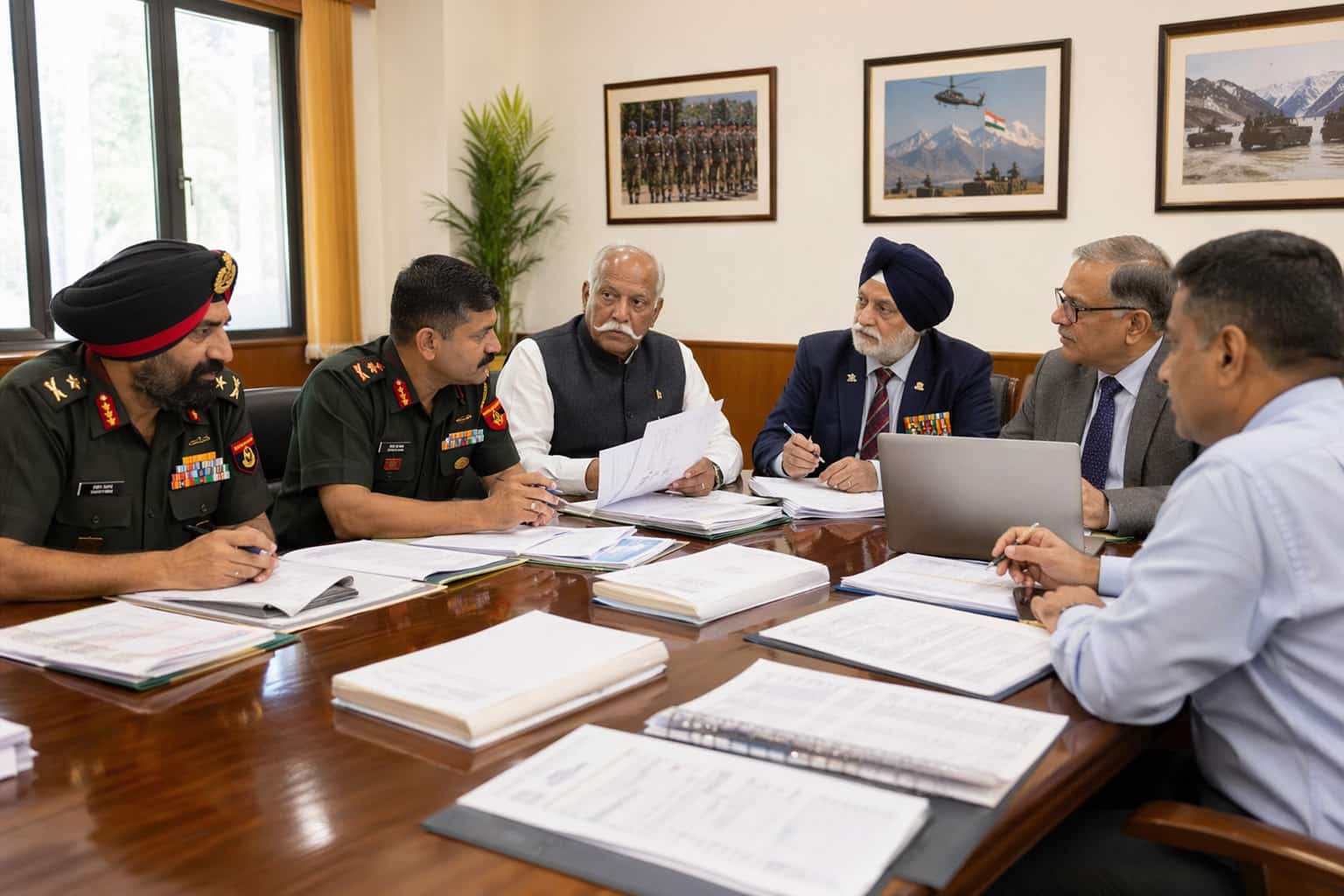
The official 8th CPC memorandum page says the Commission has invited representations, memorandums and suggestions from a wide range of stakeholders, including central government employees, defence forces personnel, pensioners, service associations, unions, ministries, departments, Union Territories and eligible judicial employees.
This means the process is not only internal. Employees, pensioners and associations have been given a formal route to place their concerns before the Commission.
But there is one important condition. The official page clearly says that submissions must be made only through the specified online link. Paper-based memoranda, hard copies, PDFs and emails are not being considered or entertained by the Commission.
This point is crucial.
Many employees and pensioners may discuss their issues in WhatsApp groups, YouTube comments, local meetings or informal gatherings. Such discussion may create awareness, but it does not automatically become part of the Commission’s record. If an issue has to be examined properly, it must be submitted through the official process in a clear and structured manner.

The MyGov Innovate India page shows that the online memorandum submission began on 5 March 2026 and is scheduled to close on 30 April 2026. It also lists participation categories such as Individual, Employee, Pensioner, Association or Union, Ministry or Department or Union Territory, and officers or employees of courts and judicial officers in eligible categories.
This makes the current stage time-sensitive.
A common mistake during every pay commission cycle is that people focus only on expected fitment factor numbers. Many viral discussions revolve around possible salary increases, minimum pay figures and pension multiplication. These topics are important, but they are not final until the Commission completes its work and the government takes a decision.
Employees should therefore follow a balanced approach. Expectations are natural, but official process matters more.
The strongest representation is not the longest one. It is the clearest one.
A useful memorandum should explain the issue in simple language. It should mention who is affected, what the present problem is, what correction is required and why the demand is justified. For example, a pension issue should not simply say “pensioners are facing hardship.” It should explain the specific anomaly, the affected category, the financial impact and the correction being requested.
The same method should be used for pay matrix, MACP, increment, allowances, DA and DR, commutation, gratuity, medical facilities and defence-related issues.
Associations and unions have an even bigger responsibility. They can collect ground-level concerns, prepare data-backed demands and present them in a more organized manner. A well-drafted collective memorandum can help the Commission understand the scale of a problem better than scattered individual complaints.
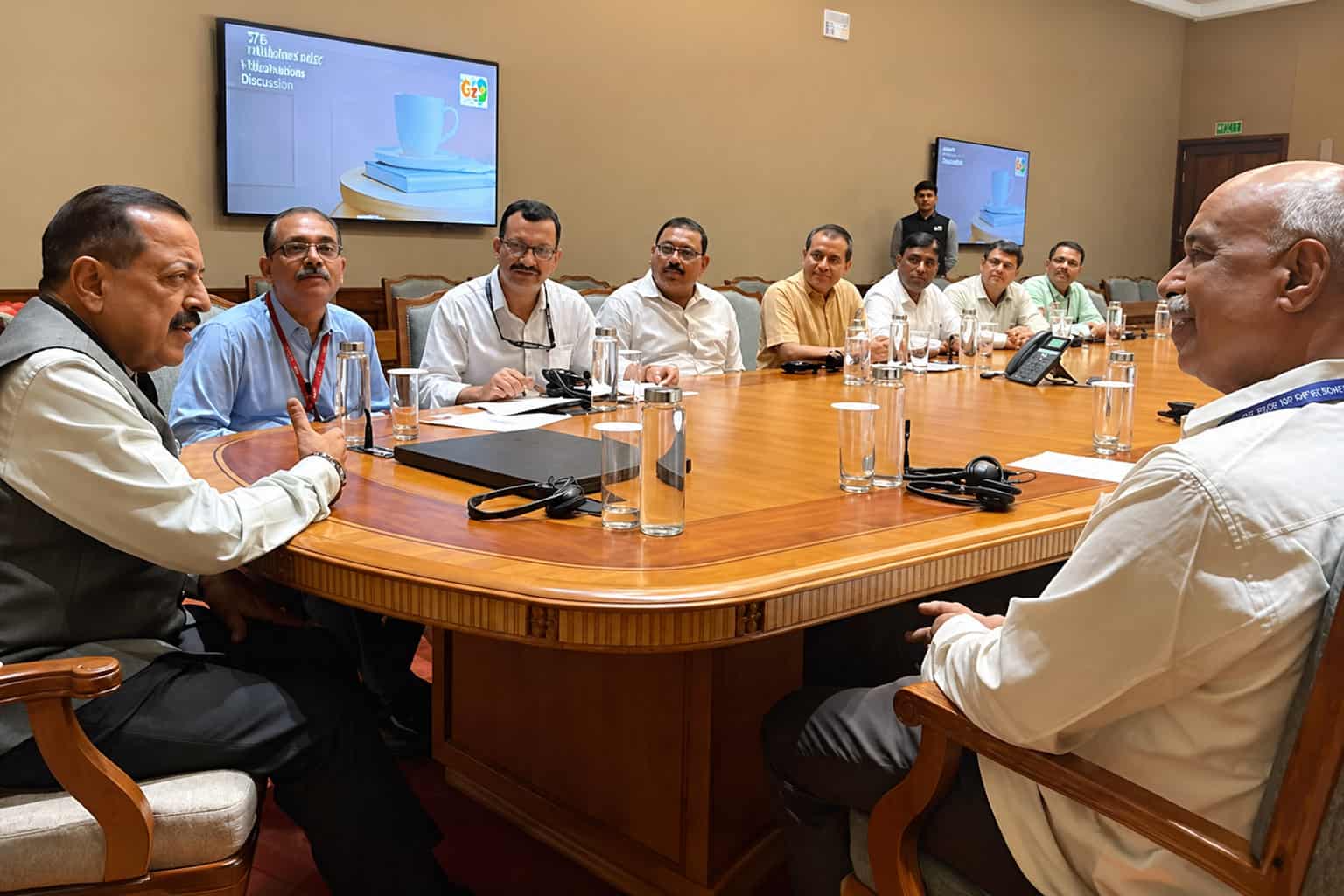
The official website also shows that the Commission has moved into an active stage, with updates on forthcoming meetings, memorandum clarification, Delhi interactions on 28 and 29 April 2026, and the Pune visit on 4 and 5 May 2026.
This shows that the process is no longer only about formation. It has moved into consultation, collection of inputs and stakeholder engagement.
For ordinary employees and pensioners, this is the moment to stay alert. Do not rely only on rumours. Do not wait only for forwarded messages. Do not assume that someone else will raise your issue. If an issue affects your pay, pension, allowance or welfare, it should be clearly placed before the Commission through the proper channel.
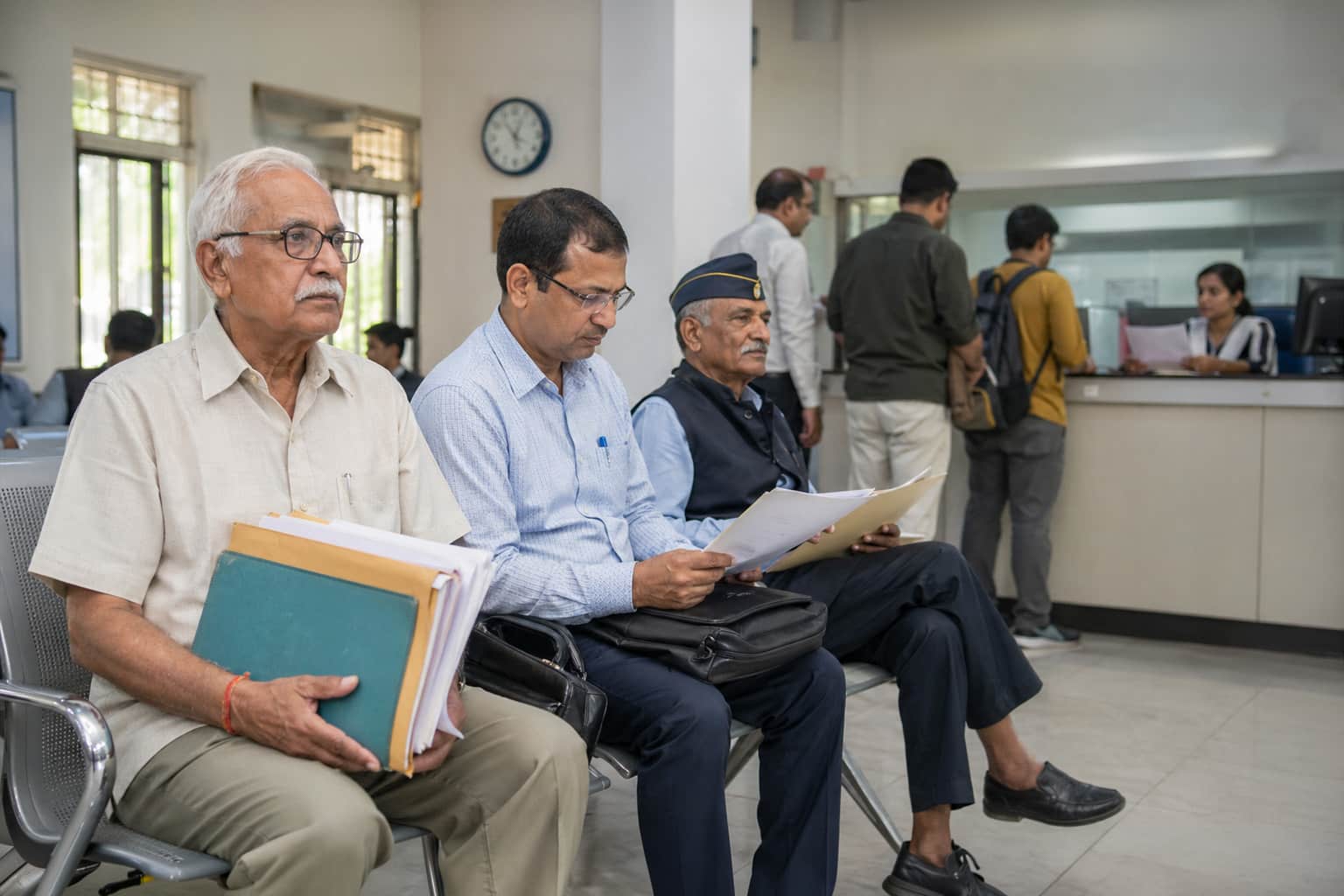
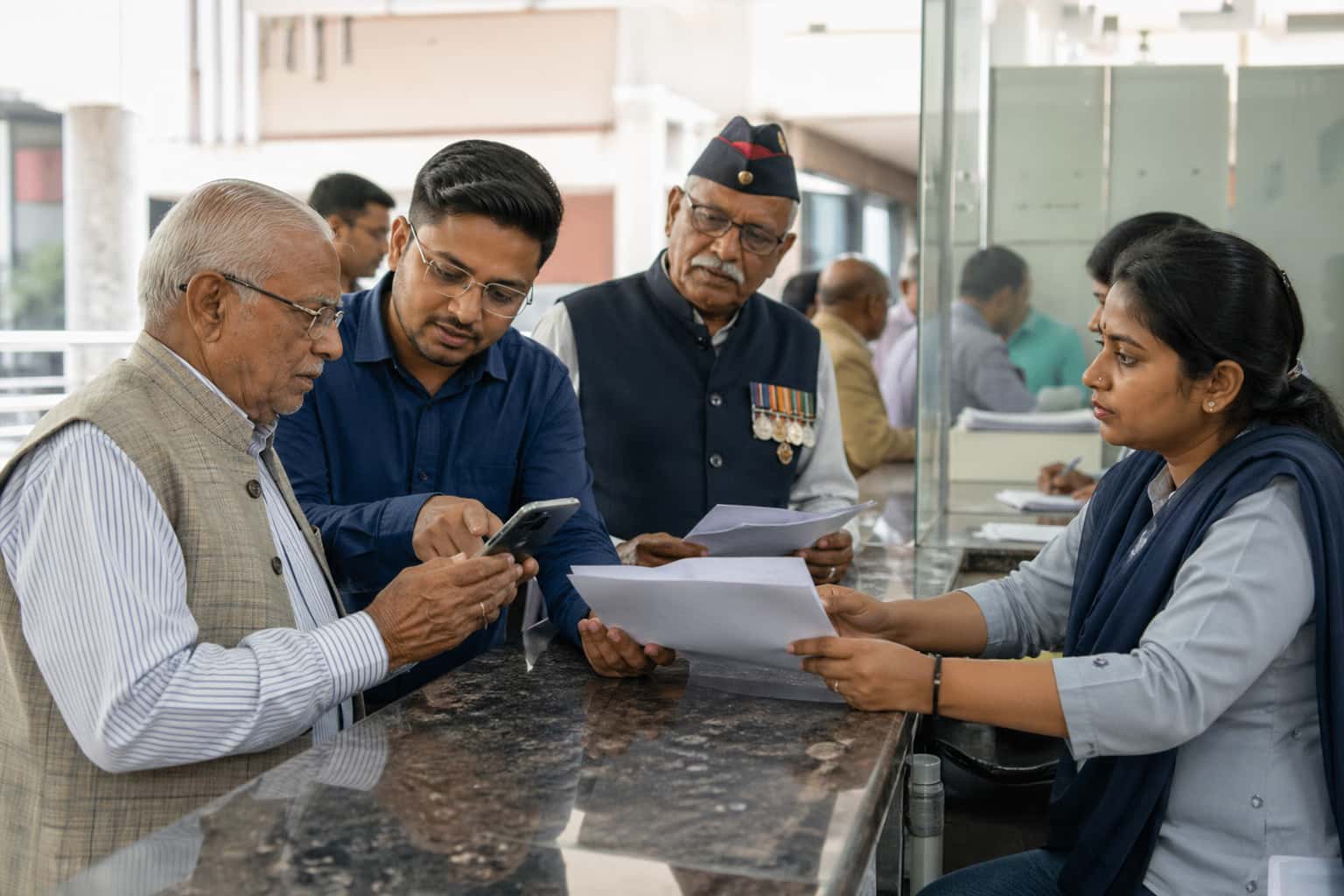
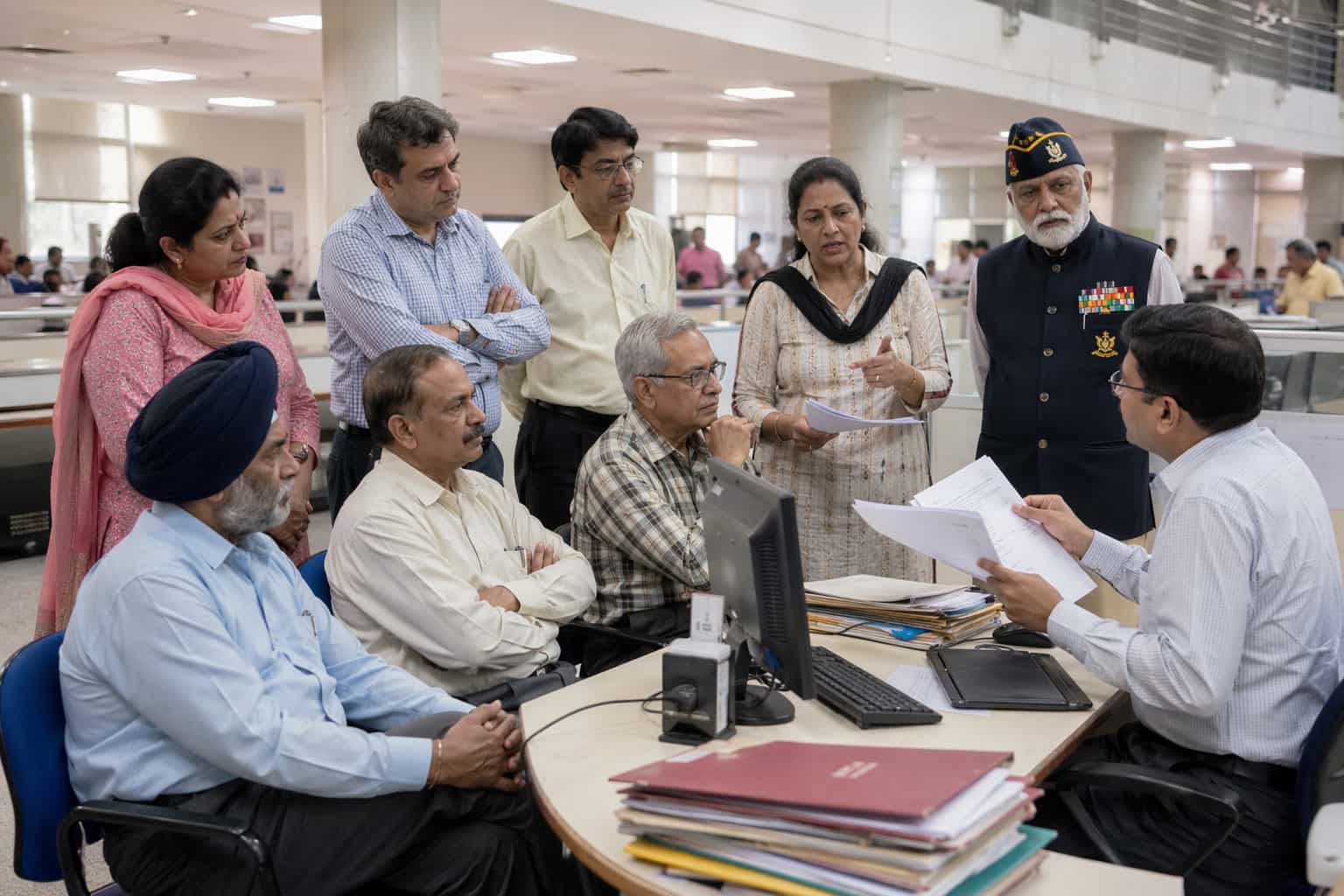
Senior pensioners and veterans also need support. Many may not be comfortable with online submission. Families, welfare groups and associations should help them prepare simple points, submit them correctly and save the confirmation proof or Memo ID.
The bigger lesson is this: the formation of the 8th Pay Commission was an important milestone, but it was not the final destination.
The final impact will depend on what the Commission recommends, how those recommendations are accepted, and how they are implemented. Until then, the real work is in documentation, representation and awareness.
For employees, pensioners and defence families, the 8th Pay Commission is not just a government file. It is connected to salary security, retirement dignity, medical support, service recognition and financial stability.
The announcement stage is over. The real outcome is still awaited. And the way stakeholders participate now may influence what finally reaches the recommendation table.


Leave a Reply