

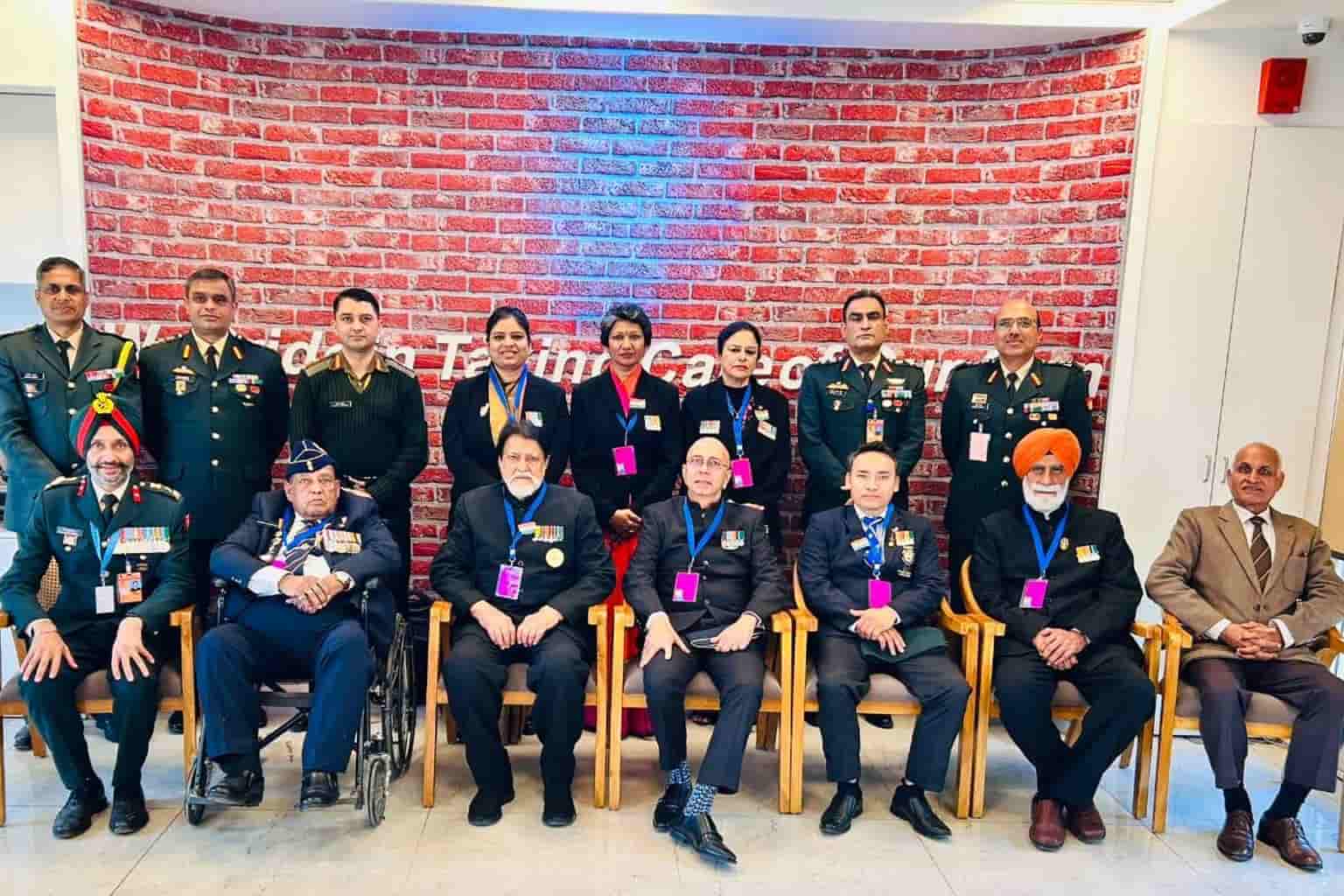
The 8th Central Pay Commission has quietly moved from paperwork to real engagement. What looked like a distant administrative process is now entering a phase where voices from the ground are being heard directly. The confirmation of a stakeholder interaction in Dehradun on 24 April 2026 is not just another meeting. It signals the beginning of structured consultations that could influence pay, pension and welfare decisions for years to come.
For veterans, serving personnel and pensioners, this is the moment where representation shifts from theory to action.
Why the Dehradun meeting matters more than it looks?
For months, most developments around the 8th Pay Commission were limited to notifications, online submissions and internal processes. Now, with physical interactions starting, the system is opening up to direct dialogue.
The Dehradun meeting becomes important for three reasons.
First, it confirms that the Commission is actively engaging with stakeholders and not relying only on written submissions. Second, it establishes a process where only those who have formally submitted memorandums are being considered for interaction. Third, it shows that representation will be selective and structured, not open-ended.
This means preparation will matter more than participation.

What actually happened behind the scenes?
The process that led to this meeting is a clear example of how the Commission is functioning.
A veterans organisation from Clement Town, Dehradun sent a formal request seeking an appointment on 24 April 2026. Instead of granting immediate approval, the Commission responded with a clear condition. Due to the high number of requests, only those who had submitted their memorandum through the official system would be considered.
This is where the process becomes critical.
After submitting the memorandum and generating a unique Memo ID, the organisation followed up with a reminder. Only then was the interaction formally scheduled.
This sequence highlights a key message. Without proper submission, even genuine demands may not reach the discussion table.
Confirmed meeting details you should note
The reply shared by the Commission has outlined clear logistical instructions. These are not just formalities but part of a structured engagement approach.
The meeting is scheduled on 24 April 2026 at 11:00 AM. Participants are expected to reach at least 15 minutes in advance. The venue is a hotel on Rajpur Road in Dehradun, indicating a formal but controlled setting.
One of the most important conditions is representation. Only two office bearers are allowed from each association. This restriction makes it clear that discussions will be concise and focused.
There will be no room for long speeches or unstructured debates.

Why Memorandum Submission is now the real gateway?
The biggest takeaway from this development is simple. The memorandum is not just a formality. It is the entry ticket.
The Commission is prioritising submissions that are structured, evidence-backed and submitted through the official portal. The Memo ID generated after submission is becoming the reference point for all further communication.
This changes how individuals and associations need to approach the process.
Instead of relying on informal requests or connections, the system now demands documented inputs. Those who skip this step risk being left out of direct engagement opportunities.

What issues are likely to dominate these meetings?
While the Commission has not released an official agenda, the core areas are already clear based on ongoing discussions.
Pay matrix revision and fitment factor will remain central, as they determine the base structure of salaries. Pension-related concerns are equally critical, especially for defence pensioners dealing with OROP anomalies and revision methods.
Commutation and its restoration period is another key issue that continues to affect retirees. Medical facilities, including ECHS-related challenges, are expected to feature strongly, particularly from veteran groups.
Other areas such as allowances, NPS or UPS concerns, gratuity limits and LTC benefits will also be part of the broader discussion framework.
In simple terms, this is not just about salary revision. It is about the entire ecosystem of financial and welfare support.
Why preparation will decide impact?
With only two representatives allowed per association, the effectiveness of participation depends entirely on preparation.
The most successful representations are likely to follow a clear pattern.
They will focus on a limited number of strong demands instead of presenting long lists. They will include supporting documents such as orders, court judgments, pay records or PPO details. They will use precise numbers rather than general statements.
Most importantly, they will present issues that affect a large number of people rather than isolated cases.
This is where many groups may struggle. Without clarity and structure, even valid concerns can lose impact during short interactions.

What individuals should understand from this process?
Even if someone does not attend the meeting physically, the process still offers an opportunity.
Individual submissions are equally important. The Commission is collecting inputs from serving employees, pensioners and veterans through its portal. Every structured submission becomes part of the data that will shape final recommendations.
However, the quality of submission matters.
Clear identification of cadre, pay level, and the exact rule or issue being raised makes a stronger case. Emotional arguments without supporting data are unlikely to carry weight in such a structured process.
For pension-related issues, details like PPO type, commutation status and retirement year help create a more credible representation.
Why this phase is critical for the final outcome?
Pay Commissions do not operate in isolation. Their recommendations are shaped by inputs, representations and data collected during this phase.
Once the report is finalised, most discussions shift from shaping policy to resolving anomalies. That is a much harder and slower process.
This is why the current window is important.
It is the stage where concerns can still influence the framework itself, not just its interpretation.
The larger message for the defence and pension community
The Dehradun meeting is not just about one city or one association. It is a signal that the process has entered a decisive phase.
More meetings are expected in cities like Delhi and Pune, and the pattern is likely to remain the same. Memorandum first, interaction later.
This means awareness and coordination within the community will play a key role. Associations, unit groups and pensioner networks need to act quickly and collectively to ensure their concerns are properly documented and submitted.
Because in this process, visibility is not enough. Documentation is what drives outcomes.
The 8th Pay Commission has opened its doors, but not without conditions. Structured input has become the foundation of participation. The Dehradun meeting shows that those who prepare well and follow the process will be heard.
For everyone else, the risk is simple.
If you do not put your points on record now, you may only be reacting to decisions later.
And by then, the opportunity to shape them would already be gone.


Leave a Reply