

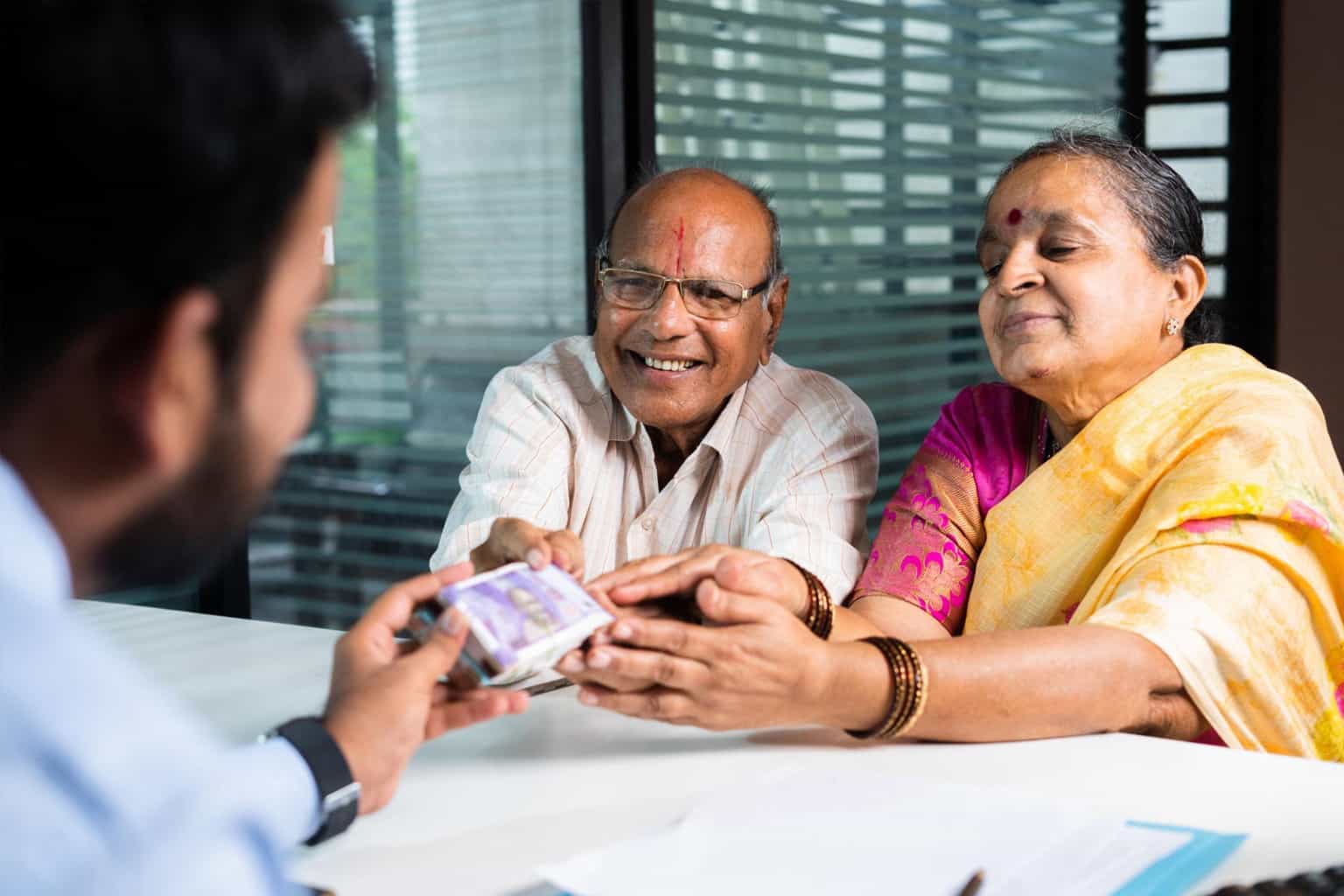
The long wait is finally over. After weeks of uncertainty and growing pressure from employee groups, the Union Cabinet has approved a 2% increase in Dearness Allowance (DA) and Dearness Relief (DR). The revision takes the total DA from 58% to 60%, effective from January 2026.
At first glance, a 2% hike may not seem significant. But when you look closer, it reflects a broader trend in inflation, government policy, and the evolving conversation around the upcoming 8th Pay Commission. For over one crore central government employees and pensioners, this update is more than just a number. It directly impacts monthly income, arrears, and future expectations.
Why this DA hike matters more than it looks?
Dearness Allowance is not just another component of salary. It is the government’s way of protecting employees against inflation. Every revision is linked to changes in the Consumer Price Index for Industrial Workers (CPI-IW), which tracks how prices move over time.
This time, the hike is modest. Earlier cycles have seen higher increases, but the current 2% rise signals that inflation growth has stabilized compared to previous periods. In simple terms, prices are still rising, but not as sharply as before.
However, what makes this update important is the timing. The announcement came after a noticeable delay, which had already created concern among employees and pensioners. With this decision, the government has not only addressed that delay but also cleared the way for arrears to be paid.
How much extra money will you actually get?
This is the question everyone is asking. The impact of a 2% DA hike depends entirely on your basic pay or pension.
Let’s break it down with a simple example:
- Basic Pay: ₹30,000
- Old DA (58%): ₹17,400
- New DA (60%): ₹18,000
- Monthly Increase: ₹600
So, an employee earning ₹30,000 basic will see an additional ₹600 per month. Over three months of arrears (January to March), that adds up to ₹1,800, which is likely to be paid along with April salary or pension.
For higher pay levels, the increase becomes more noticeable. For example:
- Basic Pay ₹50,000 → ₹1,000 increase per month
- Basic Pay ₹80,000 → ₹1,600 increase per month
While these numbers may not dramatically change financial conditions, they do provide a steady buffer against rising costs of living.
Arrears: The hidden benefit in this update
One of the most important aspects of this announcement is arrears. Since the hike is effective from January 2026 but announced later, employees and pensioners will receive backdated payments.
This means three months of additional income will be credited together. For many households, this lump sum can help manage expenses, clear dues, or support savings.
In practical terms, the arrears often feel more impactful than the monthly increase itself.
Why the DA hike is lower this time?
The natural question is: why only 2%?
The answer lies in inflation data. DA revisions are strictly calculated based on CPI-IW trends. Over the past few months, inflation growth has been relatively moderate. As a result, the DA calculation formula has produced a smaller increase.
This is not necessarily negative. A lower DA hike can also indicate that price rise is under control. However, from an employee perspective, it does reduce the immediate financial boost compared to earlier periods.
What this means for pensioners?
Pensioners receive Dearness Relief (DR), which mirrors DA. So, every change in DA directly applies to them as well.
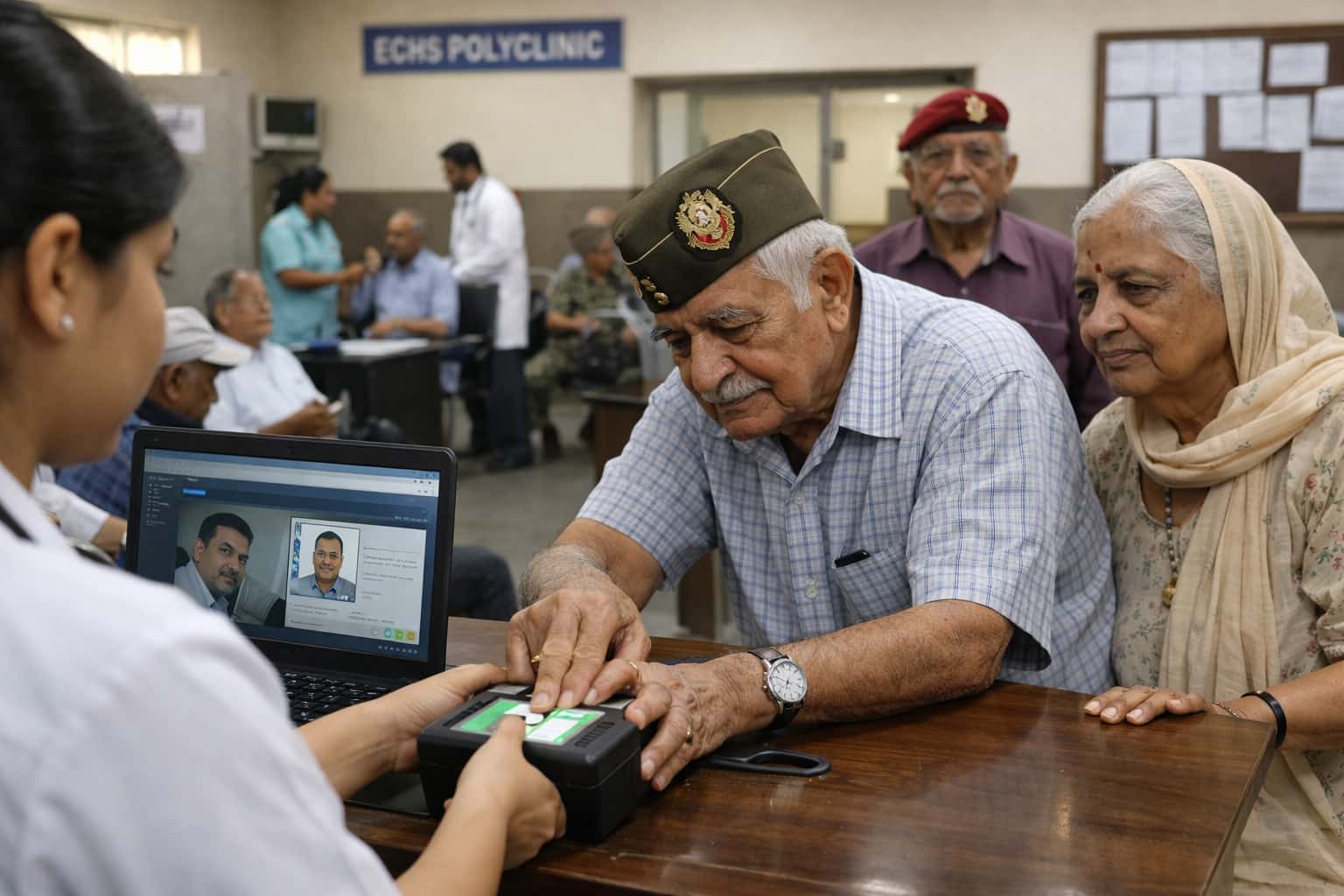
For retired employees, especially defence pensioners and senior citizens, even a small increase matters. Fixed incomes are more vulnerable to inflation, and DR acts as a crucial support system.
With this revision, pensioners will also receive:
- Increased monthly pension
- Arrears for three months
- Improved cash flow in the short term
The bigger picture: 8th pay commission expectations
While the DA hike offers immediate relief, the bigger conversation is already shifting towards the 8th Pay Commission.
Employee bodies have been actively pushing for structural changes in salaries. One of the most discussed demands is a higher fitment factor, with some proposals suggesting 3.83. If such a recommendation is accepted, the minimum basic pay could see a massive jump from ₹18,000 to around ₹69,000.
Compared to that scale, a 2% DA hike looks small. But it still plays a role in the overall salary framework. DA is often merged into basic pay when a new Pay Commission is implemented, which means today’s DA levels influence tomorrow’s salary structure.
In that sense, even incremental increases like this one contribute to the long-term financial picture.
पूर्व सैनिकों के लिए आरक्षण संबंधी दिशा-निर्देशों का संकलन…


How employees are reacting to this update?
The response has been mixed.
On one hand, there is relief that the delay has ended and arrears will be paid. On the other hand, many employees expected a higher increase, especially given the rising cost of living in urban areas.
There is also a growing sentiment that real change will only come through the 8th Pay Commission, not through periodic DA revisions.
What you should do now?
For employees and pensioners, this is the right time to:
- Check updated salary or pension calculations
- Plan usage of arrears wisely
- Track upcoming announcements related to the 8th Pay Commission
- Stay updated with CPI trends for future DA projections
Even small increments, when managed well, can improve financial stability over time.
The 2% DA hike from January 2026 may not feel like a big win at first. But it delivers three key benefits:
- Immediate increase in monthly income
- Arrears that provide short-term financial support
- A step forward in the larger salary revision cycle
More importantly, it keeps the system moving. With discussions around the 8th Pay Commission gaining momentum, this update serves as a reminder that every change, however small, is part of a much bigger financial shift for government employees and pensioners.



Leave a Reply