

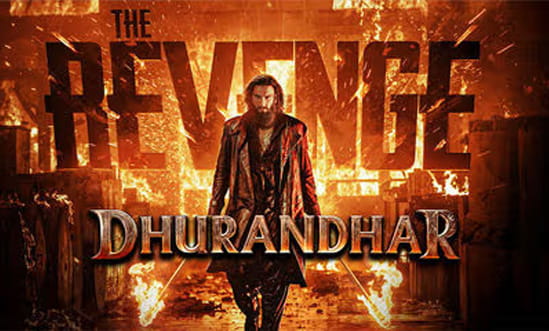
In recent years, audiences have become far more aware and demanding when it comes to realism in war films. Uniforms, drills, command structures, and even the smallest behavioural details are now closely scrutinised. The upcoming film Dhurandhar has entered this conversation for a different reason, not just for its storyline, but for the special credit given to an Indian Army officer who ensured authenticity on screen.
At the centre of this effort is Colonel Bhupendra Sahi, a veteran soldier and military consultant who has transitioned from decades of service in uniform to shaping how the armed forces are portrayed in cinema. His journey offers a rare glimpse into the intersection of military discipline and cinematic storytelling.

The man behind the uniform accuracy
Colonel Bhupinder Shahi is not just a consultant but a third generation soldier who served nearly three decades in the Indian Army. His experience spans peace postings, field deployments, and counter insurgency operations. This depth of exposure allows him to understand not only the technical aspects of warfare but also the mindset and behaviour of soldiers in real situations.
After his service, he stepped into the world of films, where his role became crucial in bridging the gap between reality and dramatization. Unlike typical advisory roles, military consultants like him are deeply involved in the filmmaking process from the earliest stages.
Why military consultants matter in films?
War films are not just about action. They represent institutions, values, and sacrifices. A small mistake in uniform, rank etiquette, or behaviour can instantly break credibility for audiences, especially veterans and serving personnel.
Colonel Shahi highlights that authenticity begins at the script level. Before a film even reaches the shooting stage, the script is carefully reviewed line by line. This ensures that dialogues, scenarios, and sequences align with real military protocols.
For example, how a junior addresses a senior officer, how a briefing is conducted, or even how a soldier holds a weapon are all governed by strict norms. These details may seem minor to a civilian viewer, but they define the credibility of a film.
Inside dhurandhar: Building realism
In Dhurandhar, Colonel Shahi played a key role in shaping the film’s realism. His contribution went beyond consultation. He supported research, guided execution, and worked closely with different departments including direction, costume, and action design.
One of the most important aspects he focused on was operational logic. Many films tend to exaggerate or simplify military actions for dramatic effect. However, real operations follow structured planning, coordination, and discipline. By introducing real world constraints and logic, he ensured that scenes felt believable rather than theatrical.
Location planning also played a major role. Recces and logistical coordination were designed to replicate actual war zone environments. This helped create an immersive experience for the audience without compromising authenticity.
Training actors to think like soldiers
A significant part of a military consultant’s job involves training actors. It is not just about wearing the uniform correctly. Actors need to carry themselves like soldiers.
Colonel Shahi worked on multiple aspects of performance, including weapon handling and safety, body posture and movement, drill and discipline, and communication style and tone.
These elements collectively create what he describes as a soldier-like presence. Without this, even the best written scenes can fall flat.
He also emphasises that soldiers are defined by discipline and composure. Overacting or unnecessary dramatization can distort this image, which is why controlled and realistic performances are essential.
The responsibility of representation
One of the most powerful insights shared by Colonel Shahi is the idea that when an officer is on set, he is not just an individual. He represents the entire Indian Army in the eyes of the public.
This responsibility shapes every decision, from approving scenes to guiding actors. The goal is not just to make a successful film, but to ensure that the portrayal of the armed forces remains respectful and accurate.
Incorrect representation can have wider implications. It can misinform audiences, dilute the ethos of the forces, and even affect how civilians perceive military culture.
The role of official channels
Many people are unaware that war films often require clearances and coordination with official bodies. Depending on the content, approvals may involve organisations like the Ministry of Defence and ADGPI.
These processes ensure that sensitive information is handled responsibly and that the portrayal aligns with national interests. Military consultants often act as a bridge between filmmakers and these institutions, helping navigate approvals and maintain compliance.
Understanding elite units and the balidan ethos
Another important aspect discussed is the portrayal of elite units such as the NSG and special forces. These units operate under extremely demanding conditions and follow a unique ethos.
The concept of Balidan, often associated with special forces, represents sacrifice at the highest level. Misrepresenting such values can undermine the essence of these units.
Colonel Shahi stresses that filmmakers need to approach these subjects with seriousness and respect. Authentic storytelling requires understanding not just the operations, but also the philosophy behind them.
How soldiers react to war films?
One of the most telling measures of a film’s authenticity is how soldiers react to it. When a film gets it right, it earns respect and appreciation from the forces. When it does not, it quickly becomes a subject of criticism.
Soldiers notice everything, from the way uniforms are worn to how commands are given. Their feedback often reflects whether the film has honoured their profession or reduced it to mere entertainment.
A message for filmmakers and audiences
Colonel Shahi’s advice to filmmakers is simple. Authenticity is not optional. It is a responsibility. War films carry emotional and national significance, and they must be treated with the seriousness they deserve.
For audiences, understanding the effort behind such films adds a new layer of appreciation. Knowing that experts are involved in shaping these stories helps build trust in the narrative.
Conclusion
Dhurandhar stands out not just as a film but as an example of how collaboration between the military and the film industry can elevate storytelling. The involvement of experienced professionals like Colonel Bhupinder Shahi ensures that cinema does not just entertain, but also informs and respects the institutions it represents.
In a time where realism matters more than ever, such efforts set a benchmark for future war films. They remind us that behind every uniform is a story of discipline, sacrifice, and responsibility that deserves to be told with honesty.
Watch our full video for complete details!



Leave a Reply